
Short answer: take the airport metro or express train. In Beijing, Shanghai, Guangzhou, Chengdu and Xi'an, the rail link to the city centre costs ¥8–35, runs every 10 minutes, and beats any taxi in rush hour. Reserve a taxi or Didi ride only when you have heavy luggage, land after midnight, or are two people splitting fares. Here is the real menu for the airports you will actually use.
【中文】简短回答:坐机场地铁或机场快线。北京、上海、广州、成都、西安,进城轨道交通都是¥8–35、十来分钟一班、高峰时段比出租快。只有行李多、半夜落地、或两人拼车时才叫出租/滴滴。下面是你真正会用到的几个机场的真实方案。Factor in the airport itself before the transfer: on your first arrival in China, immigration plus baggage reclaim can take 45–90 minutes at Beijing and Shanghai peaks. So a "2 p.m. landing" realistically means stepping out of customs at 3:30 p.m. — plan your rail or taxi pickup for the time you actually clear, not the wheels-down time. Booked private transfers usually wait up to 90 minutes free, which is another reason they suit first-time arrivals.
【中文】选接驳前先把机场本身算进去:第一次来中国,北京上海高峰时入境加取行李可能要45–90分钟。所以"下午2点落地"现实里3点半才走出海关——轨道或接机按你真正出关的时间排,别按落地时间。提前订的接机一般免费等90分钟,这也是它适合首次落地的另一个原因。You do not need Chinese cash to use the metro: open Alipay or WeChat, load the local city's transit QR code, and tap it at the gate. If that feels like too much on your jet-lagged first morning, the ticket machines take cards and English menus, and a single to the city centre costs the same ¥8–35 as it says above. The airport bus — ¥20–30 — sits in traffic and only wins if the metro has stopped running.
【中文】坐地铁不用人民币现金:打开支付宝或微信,开通当地乘车码,刷闸机就行。倒时差的第一个早上觉得太麻烦,售票机也收卡、有英文菜单,进城单程就是上面说的¥8–35。机场大巴¥20–30,会堵在路上,只有地铁收车了才选它。If you land at Terminal 2 but your rail link leaves from Terminal 3, do not panic: big Chinese airports run free inter-terminal shuttles or automatic people-movers between terminals. At Beijing Capital, the free T2–T3 train takes two minutes. Allow an extra 15 minutes for the transfer rather than sprinting — signage is clear in English, and the airport train waits for nobody but runs every few minutes.
【中文】落在T2但轨道从T3走,别慌:中国大机场航站楼之间有免费摆渡车或捷运。首都机场T2–T3免费小火车两分钟。多留15分钟转机楼,别狂奔——英文标识清楚,机场小火车不等人,但几分钟一班。1. Beijing: PEK (Capital) vs PKX (Daxing)
Daxing (PKX) is the futuristic starfish airport. The dedicated Daxing Airport Express to Caoqiao (subway Line 10 interchange) costs ¥35 flat and takes about 40 minutes — clean, fast, and the default choice. Capital (PEK) is closer to town; the Capital Airport Express light rail runs to Dongzhimen for a flat ¥25 in about 30 minutes. From either airport, a metered taxi or Didi into central Beijing runs ¥120–180 depending on traffic and can double that at rush hour.
【中文】大兴机场(PKX)是那个科幻海星造型。大兴机场线到草桥(换10号线)¥35、约40分钟——干净快、默认首选。首都机场(PEK)离城近,机场快轨到东直门¥25、约30分钟。两个机场打车或滴滴进市区¥120–180,高峰能翻倍。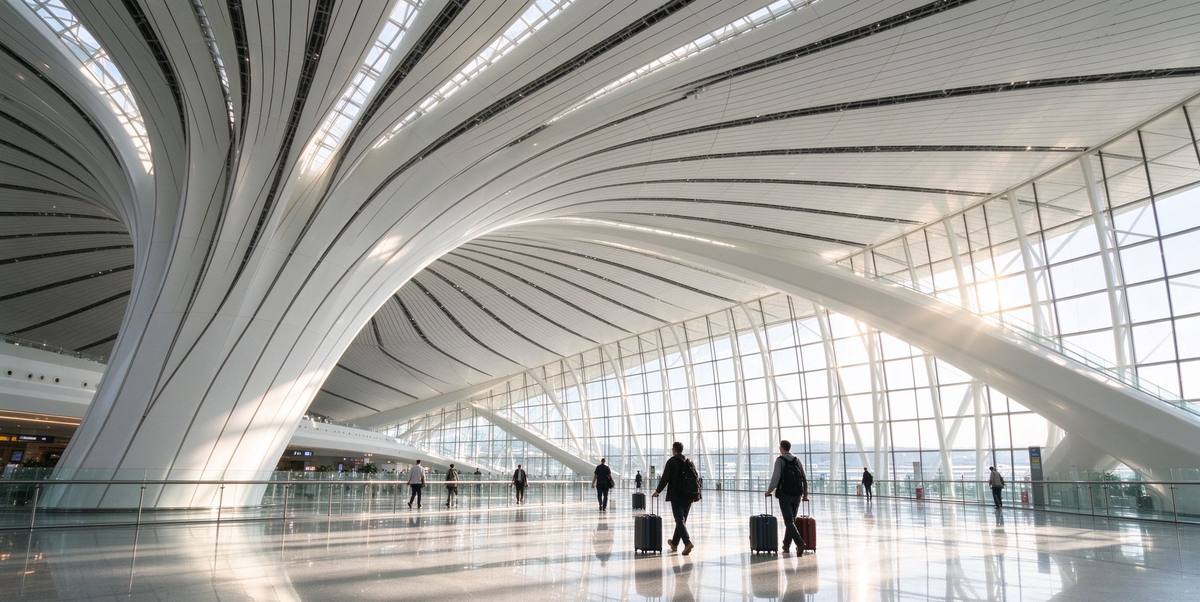
2. Shanghai: PVG (Pudong) vs SHA (Hongqiao)
Hongqiao (SHA) is basically in the city — Metro Line 2, 10 or 17 steps you downtown in 30 minutes for ¥5–6. Pudong (PVG) is far. Two options: the world-famous maglev train zips to Longyang Road in 8 minutes for ¥50 (then change to Metro Line 2), or the plain Metro Line 2 all the way to People's Square in about 70 minutes for ¥8–9. The maglev is fun but only saves you 20 minutes; the metro is the budget default.
【中文】虹桥(SHA)基本在城里——地铁2/10/17号线半小时进城、¥5–6。浦东(PVG)远。两个选择:著名的磁悬浮8分钟到龙阳路¥50(再换2号线),或直接坐地铁2号线约70分钟到人广、¥8–9。磁悬浮好玩但只省20分钟;地铁是预算首选。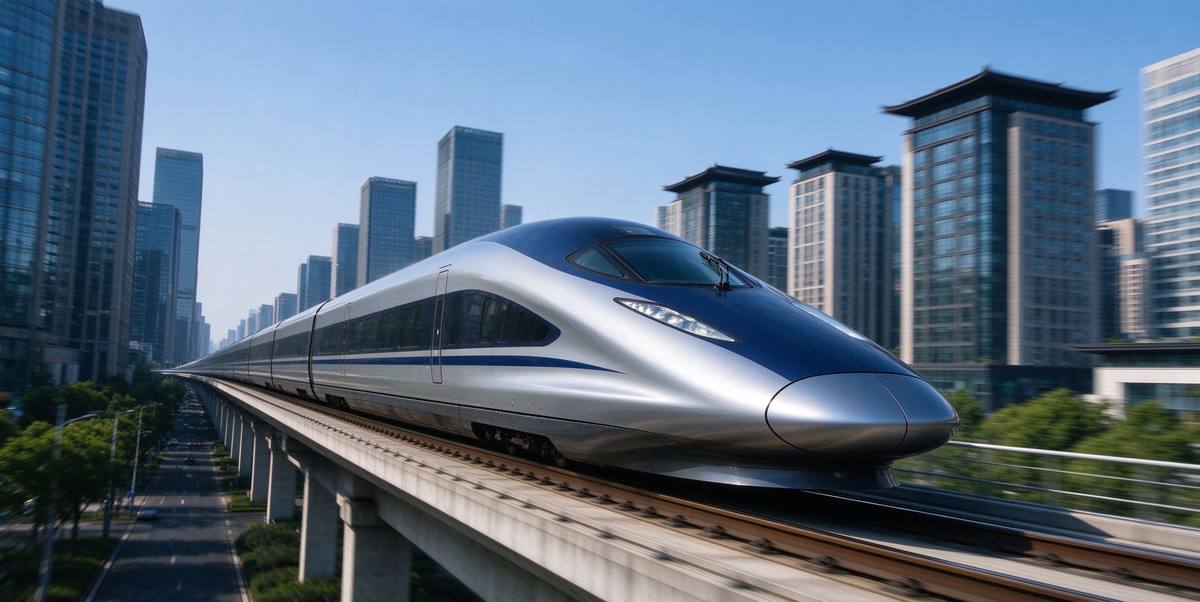
3. Guangzhou, Chengdu, Xi'an
Guangzhou (CAN): Metro Line 3 north extension runs direct to the airport, ¥7–10 into Tianhe district in about 50 minutes. Chengdu: Shuangliu (CTU) is adjacent to the city on Metro Line 10 (¥5, 20 minutes); the newer Tianfu (TFU) is far out but Metro Line 18's express trains reach the centre in about 40 minutes for roughly ¥10–20. Xi'an (XIY): the airport intercity railway runs from Xi'an North station to the terminal for a flat ¥16 in about 30 minutes — excellent value.
【中文】广州(CAN):地铁3号线北延段直达机场,¥7–10到天河约50分钟。成都:双流(CTU)挨着城、地铁10号线¥5、20分钟;新的天府(TFU)远,但地铁18号线快车约40分钟进城、¥10–20。西安(XIY):机场城际从西安北站到航站楼¥16、约30分钟——性价比极高。The same rail-first logic applies in the cities you may transit through: Shenzhen (SZX) has Metro Line 11 whisking you to Futian in 50 minutes for ¥7; Hangzhou (HGH) has the airport civil-rail link to the city centre for about ¥20; Nanjing (NKG) Metro Line S1 reaches the centre in 40 minutes for ¥7. The pattern never changes: the airport rail link is the default, the taxi is the splurge.
【中文】你可能转机的其他城市也是同一个逻辑:深圳(SZX)地铁11号线约50分钟到福田、¥7;杭州(HGH)机场轨道约¥20进城;南京(NKG)地铁S1线约40分钟进城、¥7。规律从来不变:机场轨道是默认,出租是犒赏。Do the maths when you are two or more people: a ¥35 Daxing express ticket for two is ¥70, and a Didi into central Beijing is around ¥120–150 — just ¥50–80 more, at the door of your hotel. For families with luggage, that marginal premium is usually worth it; for a solo traveller, the rail link is always the smarter spend. This is the only decision that actually flips depending on group size.
【中文】两人以上就算算账:大兴线两张票¥70,滴滴进北京市中心约¥120–150——只多¥50–80,还送到酒店门口。带行李的家庭,这点差价通常值;一个人,轨道永远是更聪明的花法。这是唯一会因人数而翻盘的决定。On the way back out to the airport, apply the same logic in reverse: leave the city centre 90 minutes before the rail link would get you there, then add 90 minutes for airport arrival. For a 9 a.m. flight from Pudong, that means leaving your Shanghai hotel by 6 a.m. — book the Didi the night before, because taxis at that hour are scarce and app drivers accept pre-orders. Same plan works for every airport in this guide.
【中文】返程去机场,逻辑反过来:从市中心出发,轨道时间加90分钟机场办理时间。浦东早9点的航班,意味着6点就得从上海酒店走——滴滴前一晚预约好,因为那时候出租车少、但App司机接受预约。本指南每个机场都套这个计划。| Airport 【中文】机场 | Best rail option 【最佳轨道方案】 | Rail fare/time 【票价/用时】 | Taxi into city 【打车进城】 |
|---|---|---|---|
| Beijing Daxing PKX 【大兴】 | Airport express to Caoqiao 【机场线到草桥】 | ¥35 / 40 min 【40分钟】 | ¥120–180 【约$17–25】 |
| Beijing Capital PEK 【首都】 | Airport express to Dongzhimen 【快轨到东直门】 | ¥25 / 30 min 【30分钟】 | ¥100–150 【约$14–21】 |
| Shanghai Pudong PVG 【浦东】 | Metro Line 2 【地铁2号线】 | ¥8–9 / 70 min 【70分钟】 | ¥150–220 【约$21–30】 |
| Shanghai Hongqiao SHA 【虹桥】 | Metro Lines 2/10/17 【地铁】 | ¥5–6 / 30 min 【30分钟】 | ¥50–80 【约$7–11】 |
| Xi'an XIY 【西安】 | Airport intercity rail 【机场城际】 | ¥16 / 30 min 【30分钟】 | ¥100–130 【约$14–18】 |
4. Avoiding the taxi scams
Walk past the people in the arrivals hall shouting "taxi! taxi!". Two safe options remain. Option one: follow the blue signs to the official taxi rank, queue, and insist the driver uses the meter (打表). Option two (my favourite): open Didi — China's Uber — in your app, set your hotel address, and a licensed driver picks you up at the marked car-park point at a fixed price you see before you book. No haggling, no inflated fares, and it works in English once you set the app language.
【中文】走过到达大厅里喊"taxi taxi"的人。两个安全选择:一是跟着蓝牌去正规出租排队点,坚持让司机打表;二是我最喜欢的——打开滴滴(中国的Uber),输入酒店地址,固定价格提前可见,在指定上客点上车。不砍价、不被宰,App切英文就能用。If a metered driver refuses your destination or tries to detour, note the plate and refuse to get in — official ranks have a complaints desk nearby. With Didi you are fully protected because the route and price are logged in the app.
【中文】如果打表司机拒载或想绕路,记车牌、别上车——正规出租点附近都有投诉台。用滴滴则全程有保障,路线和价格都在App里留痕。One practical note on the metro itself: a full-size 28-inch suitcase is fine, but rush hour (8–9 a.m., 6–7 p.m.) is genuinely packed — riding the airport train at those times with two big bags is no fun. Either splurge on Didi during rush hour, or wait until the off-peak hours. Airports also have luggage trolleys free of charge at arrivals, and elevators at every metro transfer point, so the journey is far more bag-friendly than the old days.
【中文】关于地铁本身的一个实操提醒:28寸大箱子能上,但早晚高峰(早8–9点、晚6–7点)真的挤——拖着俩大箱子挤机场线不是闹着玩。高峰时段要么加钱打滴滴,要么等到平峰。机场到达大厅有免费行李车,地铁每个换乘点都有电梯,比老年代步友好多了。Ad slot — Media.net / Google AdSense
【中文】广告位:流量起来后这里投放海外广告(Media.net/AdSense),与正文明显区分
5. Red-eye arrivals: what works after midnight
Airport metro lines usually stop around 23:00, so a 1 a.m. landing means one of three: an airport bus night line (cheapest, ¥20–30, still running at most major airports), a metered taxi or Didi (price roughly 1.5× daytime), or — my pick when tired — a pre-booked private transfer so a driver waits with your name. If the hotel is far, sleeping one night at an airport-area hotel (¥300–500) and taking the train in the morning beats a 90-minute middle-of-the-night taxi ride.
【中文】机场地铁一般23点左右收车,凌晨1点落地只有三选一:机场大巴夜宵线(最便宜¥20–30,大机场都还在跑)、打表出租或滴滴(夜间约白天1.5倍)、或我累的时候选的提前订接机(司机举牌等你)。如果酒店很远,在机场附近住一晚(¥300–500)早上再进城,比半夜打车90分钟舒服。A Didi-at-the-airport tip that saves everyone 20 minutes: after you book, the app names a specific pickup point (often like "P1 Parking, Column 12") — walk to that exact spot with your bags rather than waiting at the arrivals door. Drivers cannot stop at the kerb for long at Chinese airports, and the few minutes you spend finding the column is faster than a phone argument in Chinese. If your Chinese is zero, send the driver the booking's auto-generated location rather than trying to call.
【中文】机场打滴滴的小技巧,省双方20分钟:下单后App会写明具体上车点(常写"P1停车场12号柱")——拖着箱子走到那个点,别在到达门等。中国机场司机不能在路边久停,你花几分钟找到那根柱子,比一通中文电话争执快多了。一句中文不会打,就发App自动生成的定位,别硬打电话。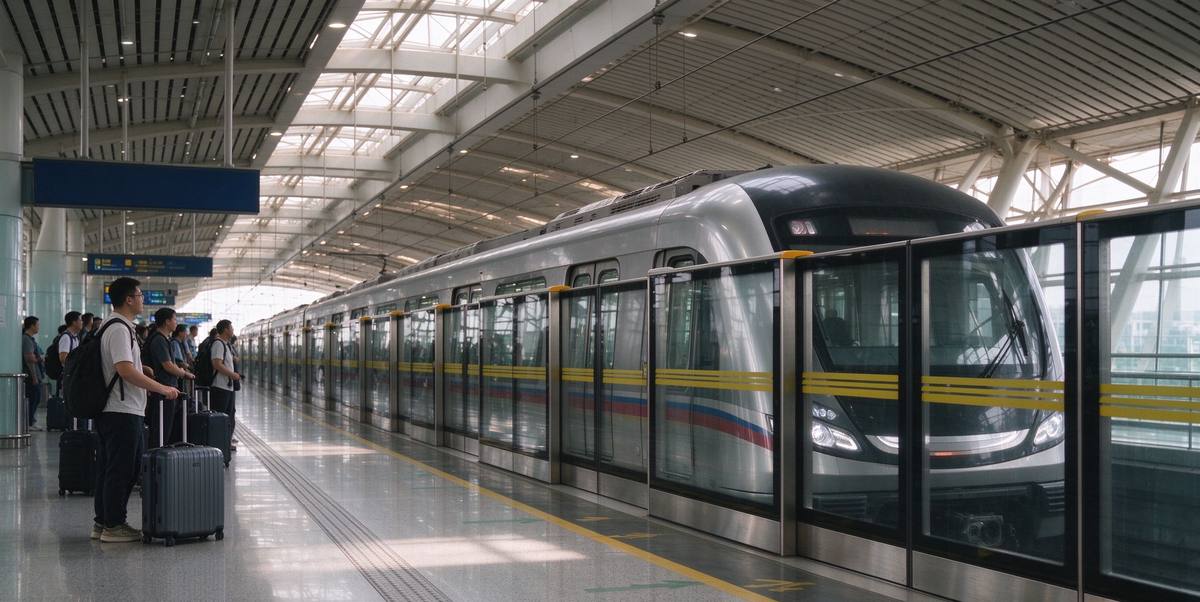
Bottom line
Skip the hustlers. For 90% of daytime arrivals, the airport rail link is the cheapest, fastest, calmest way into town — ¥25 in Beijing, ¥50 on Shanghai's maglev or ¥8 on its metro, ¥16 in Xi'an. Use Didi or a pre-booked car only when the train has stopped, the luggage is heavy, or your hotel is the final leg of a long day.
【中文】别理拉客的。白天落地90%的情况,机场轨道是最便宜、最快、最省心的进城方式——北京¥25、上海磁悬浮¥50或地铁¥8、西安¥16。只有地铁收了、行李多、或酒店是漫长一天的最后一程时,才用滴滴或提前订车。