
Chengdu is the slow city of China, and three days here should feel unhurried — one morning for pandas, one for teahouses and old alleys, one for a temple street or an optional mountain trip. Unlike Beijing or Xi'an, you won't "cover" Chengdu by ticking sites; you'll taste it. Expect to spend about ¥550–900 per person per day (roughly $75–125 USD) for a comfortable stay, including hotels, food, transport and tickets. The one non-negotiable rule: go to the panda base first thing in the morning, before the pandas go to sleep.
【中文】成都是中国最慢悠悠的城市,三天就该松弛着过——一个上午看熊猫,一天给茶馆和老巷子,一天给祠庙老街或可选的山里行程。和北京西安不同,成都不是靠打卡景点"走完"的,是靠味觉慢慢体会的。舒适游约每人每天¥550–900(约$75–125美元),含住宿、餐饮、交通、门票。唯一不能将就的规矩:熊猫基地一定要赶早上,趁熊猫还没午睡。A 2026 booking note: the Chengdu Research Base of Giant Panda Breeding runs fully online, real-name, timed entry and has not sold tickets through third parties since 2024. Book through the official WeChat account or mini program, and choose the morning slot — on busy days the morning sessions genuinely sell out while afternoon ones remain open. Ticket is about ¥55.
【中文】一个2026年预约提示:成都大熊猫繁育研究基地实行全线上、实名、分时段预约,2024年起就不再通过第三方售票。在官方公众号或小程序约,选上午时段——旺季上午场真会约满,下午场反而还有。门票约¥55。Getting in is easy and cheap. Most visitors arrive by high-speed rail: Chengdu East connects to Xi'an in about 3 hours, Chongqing in under two, and the rest of the country via the fast network. The metro runs from the station straight into the Chunxi Road area. From Shuanghua or Tianfu airport, the metro is a reliable ¥7–12 ride into town. Set up your eSIM and link a foreign card in Alipay before you land — once that's done, the metro, taxis and teahouses all take one QR scan, and you can just wander.
【中文】怎么到成都又方便又便宜。多数人坐高铁:成都东到西安约3小时、到重庆不到两小时,全国高铁网都通。地铁从车站直达春熙路一带。从双流或天府机场坐地铁进城约¥7–12,很稳。落地前把eSIM弄好、支付宝绑好外国卡——弄完这些,地铁、打车、茶馆都是扫一次码,你只管逛。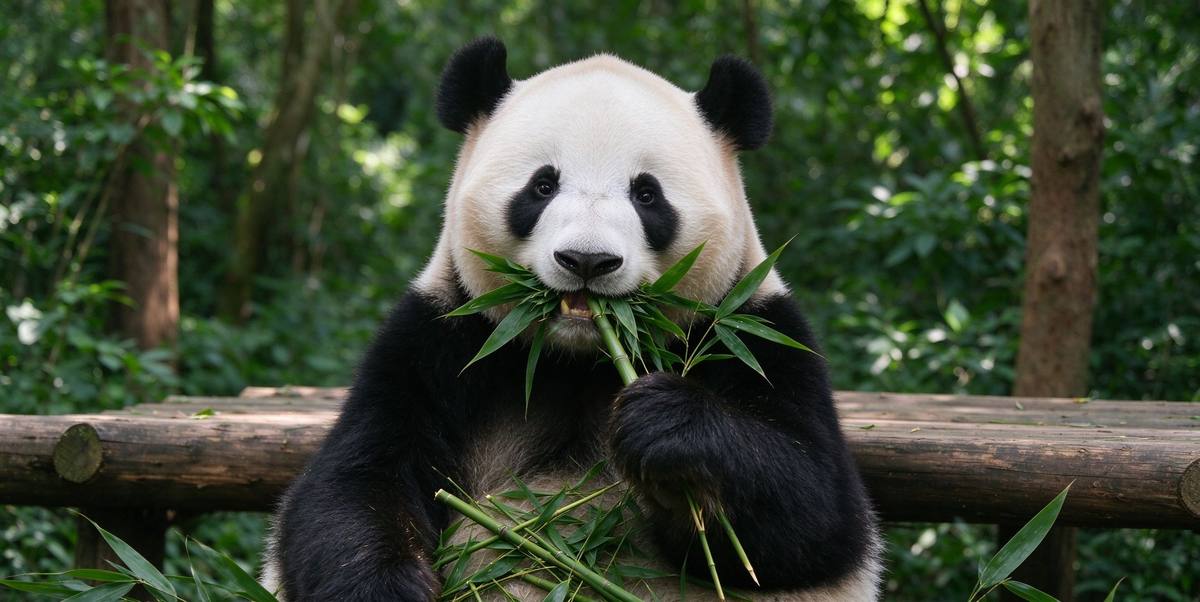
1. Day 1 — Giant Panda Breeding Base (morning, early!)
Pandas are active in the cool early morning and then nap through the heat of the day, so the entire trip lives or dies on your start time. Arrive at 7:30–8:00, right at opening. Take the free (or small-fee) shuttle to the Adult Panda Villa areas first, then the nursery — the baby pandas in the kindergartens are why everyone comes, and by 10:30 they're curled up asleep and the paths are packed. Budget 3–4 hours.
【中文】熊猫凉快的一早最活跃,中午热了就睡,所以这趟全看你几点出发。8点前——7:30–8:00——开门就到。先坐(免费或小额)摆渡车到成年大熊猫别墅区,再去育幼园——幼儿园里的熊猫宝宝才是大家冲的原因,10:30后它们蜷着睡了、路上也挤满人。留3–4小时。Getting there: the base is north of the city on metro Line 3 (get off at Panda Avenue / 熊猫大道 station and take the connecting shuttle), about 45 minutes from the centre. There's also a newer, larger branch (the "Noble Land" / 都江堰 panda valley) further out, but for a first trip the main base by the city is the right call — it's closer, the adults and babies are all here, and you can be back in town by lunch.
【中文】怎么去:基地在城北,地铁3号线(熊猫大道站下车再转接驳车),从市中心约45分钟。更远处还有个更大的新园区(都江堰熊猫谷),但第一次来,市区这个主基地就对了——更近,成年和宝宝熊猫都在,午饭前就能回城。2. Day 2 — People's Park teahouse, then Kuanzhai Alley
Sleep in, because this day is about doing nothing well. Start at People's Park (Renmin Gongyuan), in the middle of the old city, and grab a seat at one of the open-air teahouses under the trees. A pot of tea runs ¥20–50 depending on the leaf. This is where Chengdu sits for hours playing cards and chatting — sit with them. While you're there you'll be offered ear cleaning (采耳), a local treat where a practitioner uses slim tools to clean your ears; it's genuinely relaxing and a classic Chengdu thing to try. Expect to pay around ¥50–100, but agree the price before they start — see the pitfall note below.
【中文】第二天睡个懒觉,因为这一天就是把"无所事事"做好。先去老城中心的人民公园,在树荫下的露天茶馆找个位子。一壶茶按茶叶¥20–50。这就是成都人打牌聊天、一坐坐半天的地方——跟他们一起坐。茶馆里有人会揽你"采耳",本地绝活,师傅用细长工具掏耳朵;真的很放松,是成都必体验。约¥50–100,但动手前先讲好价——见下面避坑。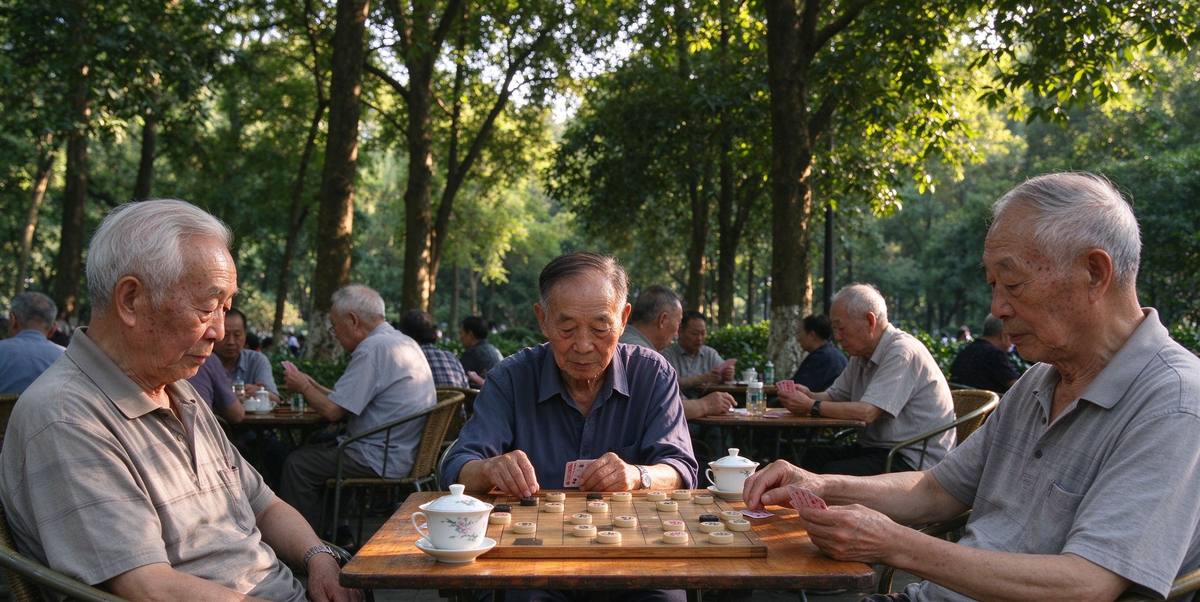
In the late afternoon, walk or take a short taxi to Kuanzhai Alley (Kuanzhai Xiangzi), the restored Qing-era alley blocks — three parallel lanes (Wide, Narrow, Well) of old courtyards now housing teahouses, craft shops and snack stalls. It's touristy but atmospheric, and a good place for your first dan dan noodles or a bowl of zhong dumplings. Nearby Jingli-style food streets are similar; pick whichever is on your way.
【中文】傍晚走过去或打个短途车到宽窄巷子——清代的老巷片区翻修过,宽、窄、井三条平行巷子,老院子里全是茶馆、手作店和小吃摊。游客多但有味道,适合在这吃第一碗担担面或钟水饺。类似的锦里美食街也在附近,顺路去哪个都行。3. Day 3 — Wuhou Shrine & Jinli, or a Leshan day trip
The in-city option: spend the morning at Wuhou Shrine (¥50), the temple to the Three Kingdoms heroes, and step straight into adjoining Jinli Street, a lively old-food-and-craft lane. It's a gentle morning, and you can be eating hotpot by evening. The bigger day-trip option: the Leshan Giant Buddha, an hour by high-speed rail from Chengdu (around ¥54 one way), where a 71-metre Buddha is carved into the cliff over a river. Entry is about ¥80. It's a full, rewarding day, but only choose it if you don't mind an early start and a slightly busier schedule.
【中文】第三天两个选法。市区选项:上午去武侯祠(¥50),拜三国英雄,出来直接进旁边的锦里古街,一条热闹的美食手作巷。很轻松的一上午,晚上就能吃火锅。更出片的一日游选项:乐山大佛,从成都坐高铁约一小时(单程约¥54),71米大佛刻在临江崖壁上,门票约¥80。满满一天、很值,但只在你不怕早起、不介意排满一点时选。4. What three days really cost (2026)
Per person in yuan, roughly ¥7.2 = $1. Chengdu is cheaper than Beijing or Shanghai, and the splurge here is food, not transport.
【中文】每人人民币,约¥7.2=$1。成都是比北京上海便宜,这里花钱的大头是吃,不是交通。| Item 【中文】项目 | 2026 typical 【中文】典型价格 | Notes 【中文】备注 |
|---|---|---|
| Panda Base 【熊猫基地】 | ¥55 | Book morning slot online 【网上约上午场】 |
| People's Park tea 【公园茶馆】 | ¥20–50 / pot | Ear cleaning ¥50–100 【采耳¥50–100】 |
| Kuanzhai Alley 【宽窄巷子】 | Free | Food & shopping extra 【吃喝另计】 |
| Wuhou Shrine 【武侯祠】 | ¥50 | Jinli next door, free 【锦里相邻免费】 |
| Leshan day trip 【乐山大佛】 | ¥80 + ¥54 train | High-speed rail each way 【高铁单程¥54】 |
| Sichuan hotpot 【四川火锅】 | ¥80–150 / person | A proper meal, shared 【正经一顿,人均】 |
| Street noodles / snacks 【小吃面】 | ¥15–35 / meal | Dan dan, zhong dumplings 【担担面/钟水饺】 |
| Metro 【地铁】 | ¥3–7 / ride | ¥15–30/day 【每天¥15–30】 |
| Mid-range hotel 【中档酒店】 | ¥400–700 / night | Chunxi Road / Taikoo Li 【春熙路/太古里】 |
Ad slot — Media.net / Google AdSense
【中文】广告位:海外广告位(Media.net/AdSense),与正文明显区分
5. How to order a proper Sichuan hotpot
You can't leave Chengdu without hotpot, and ordering it blind is how people get overwhelmed. Start with a split pot (yuanyang guo) if you're not sure about spice: one side fiery red chili broth, the other a mild bone or tomato broth. For dip, the classic Sichuan combo is sesame oil with minced garlic — it cools the spice down, don't skip it. Order sliced beef, lamb rolls, lotus root, potato, tofu, mushrooms, and a plate of dumplings or rice noodles to finish. Cook raw items in the bubbling broth for the time the menu suggests; pink meat goes in longer, leafy greens just seconds. A shared hotpot between two runs ¥80–150 each — and yes, your lips will tingle. That's the point.
【中文】离开成都不能不吃火锅,瞎点最容易被整懵。怕辣就先点个鸳鸯锅:一边红汤辣油,一边骨汤或番茄清汤。蘸料的经典川式搭配是香油加蒜末——解辣的,别省。点肥牛、羊肉卷、藕片、土豆、豆腐、菌菇,最后来盘饺子或米粉收尾。生的按菜单建议时间在滚汤里煮:红肉多煮会儿,叶菜几秒就好。两人分一顿火锅人均¥80–150——没错,嘴唇会麻。那才是精髓。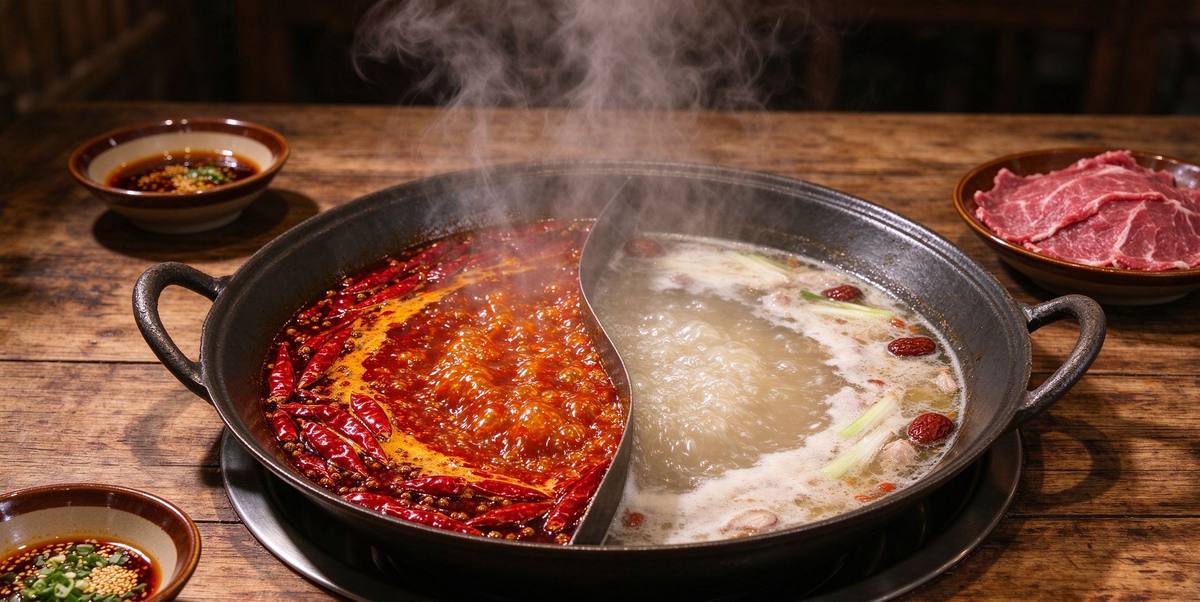
Beyond hotpot, eat these. Chengdu's street food is a highlight in its own right, and most dishes are cheap. Look for dan dan noodles (spicy minced-pork noodles), mapo tofu (silken tofu in chili-and-pepper sauce), zhong dumplings in a sweet-savory sauce, kangshoubread baked to a crisp, and boboji — skewers of meat and veg you dip in cold chili oil, the casual cousin of hotpot. Most of these run ¥15–35 a bowl. Follow the locals: wherever a small shop has a queue of Sichuan faces at lunchtime, that's where you eat. You'll taste why Chengdu is called the food capital of China.
【中文】除了火锅,这些也要吃。成都小吃本身就是一大看点,而且都便宜。找担担面(辣肉臊面)、麻婆豆腐(辣椒花椒浇嫩豆腐)、钟水饺(甜咸酱汁)、锅盔(烤得酥脆的饼)、钵钵鸡——串串浸在凉红油里,是火锅的休闲亲戚。这些大多一碗¥15–35。跟着本地人走:午饭时哪家小店排着一排四川脸,就去那家吃。你会尝到成都凭什么叫中国美食之都。6. Where to stay, and what to avoid
Stay around Chunxi Road / Taikoo Li. It's the modern, walkable, food-everywhere centre, on metro lines 2 and 3 — Line 3 takes you straight to the panda base in the morning, and you're a short taxi from People's Park and Kuanzhai. It's pricier than the suburbs but you'll eat well and walk home most nights, which is the whole point of Chengdu.
【中文】住春熙路/太古里一带。现代、好走、到处是吃的市中心,地铁2、3号线交汇——3号线早上直达熊猫基地,打车一小段就到人民公园和宽窄巷子。比郊区贵,但你吃得好、多数晚上走回酒店,这正是成都的意义。The pitfalls. At the panda base, the worst move is arriving after 9:30 — you'll queue for a shuttle and see only sleeping pandas; go early. Inside scenic areas like Kuanzhai and Jinli, food is marked up and mediocre — eat a proper meal off the main lane, not at the first stall by the gate. And with ear cleaning: it's a real, enjoyable local service, but price-haggling scammers hover around the parks. Confirm ¥50–100 and what's included before the tools come out; if someone starts adding "extra services" mid-session, stand up and leave. No one should pressure you.
【中文】要避的坑。熊猫基地最糟的是9:30后到——排摆渡车、只能看睡着的熊猫,赶早。宽窄巷子、锦里这些景区里,吃的又贵又一般——正经一顿去主巷外面吃,别在门口第一个摊买。采耳是真享受的本地服务,但公园周边有乱要价的。工具拿出来之前,先把¥50–100含什么讲清楚;中途有人加"额外服务",起身就走。没人能逼你。When to come. Chengdu is nicest in March–June and September–November, when it's mild and the pandas are active. Summer (July–August) is hot, humid and foggy — still fine for teahouses and hotpot, but the panda base gets crowded. Winter is cool and grey but quiet and cheap. Whatever the season, book the panda morning slot the moment you lock your dates, and avoid the national Golden Week and Lunar New Year, when the base and every restaurant in the city are fully booked.
【中文】什么时候来最好。成都3–6月和9–11月最舒服,温和、熊猫活跃。夏天(7–8月)湿热多雾——茶馆火锅照样舒服,但熊猫基地人挤人。冬天阴冷多灰但清净便宜。无论哪季,日期一定,立刻约熊猫上午场;避开国庆黄金周和春节,那时基地和全城餐馆全约满。Bottom line
Chengdu rewards the opposite of Beijing's checklist approach: one early morning for the pandas, one slow day in a teahouse and the old alleys, and one flexible day between a temple street and the Leshan Buddha. Eat hotpot like a local, tea like a local, and resist the urge to overschedule. Do that, and three days in Sichuan feel like a proper break — exactly what Chengdu has always been for.
【中文】成都和北京那种打勾打卡正好相反:一个早起看熊猫,一天在茶馆和老巷里慢泡,第三天在祠庙老街和乐山大佛之间灵活选。火锅像本地人那样吃,茶像本地人那样喝,别把日程排满。这样四川的三天才像真的休假——成都从古到今就是干这个的。