
I didn't pay it. My friend did — ¥600 for a piece of "master calligraphy" handed to her in a tourist shop, after a taxi driver told her the Forbidden City was closed for a "state visit" and drove her somewhere else instead. The shopkeeper called the old man at the desk a "national treasure of calligraphy". The ink was still wet. When we told a local friend later, she laughed: that same shop has been "closing down tomorrow" for five years. China is one of the safest places I've ever travelled, and I don't want to scare you off it. But tourist-targeted scams exist here — police and regulators publish prosecutions every quarter — and knowing the seven most common ones, and the exact fix for each, is what separates a bad afternoon from a great trip.
【中文】我没付那笔钱。我的朋友付了——¥600 买一幅"大师书法",是在一家旅游纪念品店里被塞到手里的,之前出租车司机告诉她故宫因"国事访问"闭馆,把她拉到了别处。店主把桌边那位老先生称作"国宝级书法家"。墨迹还是湿的。后来我们把这事告诉一位本地朋友,她笑了:同一家店"明天就关张"已经关了五年。中国是我旅行过最安全的国家之一,我不想吓退你。但针对游客的骗局确实存在——警方和监管部门每季度都公布处罚案例——知道最常见的七种、以及每一种的破解方法,决定了你是一次糟糕的下午还是一场精彩的旅行。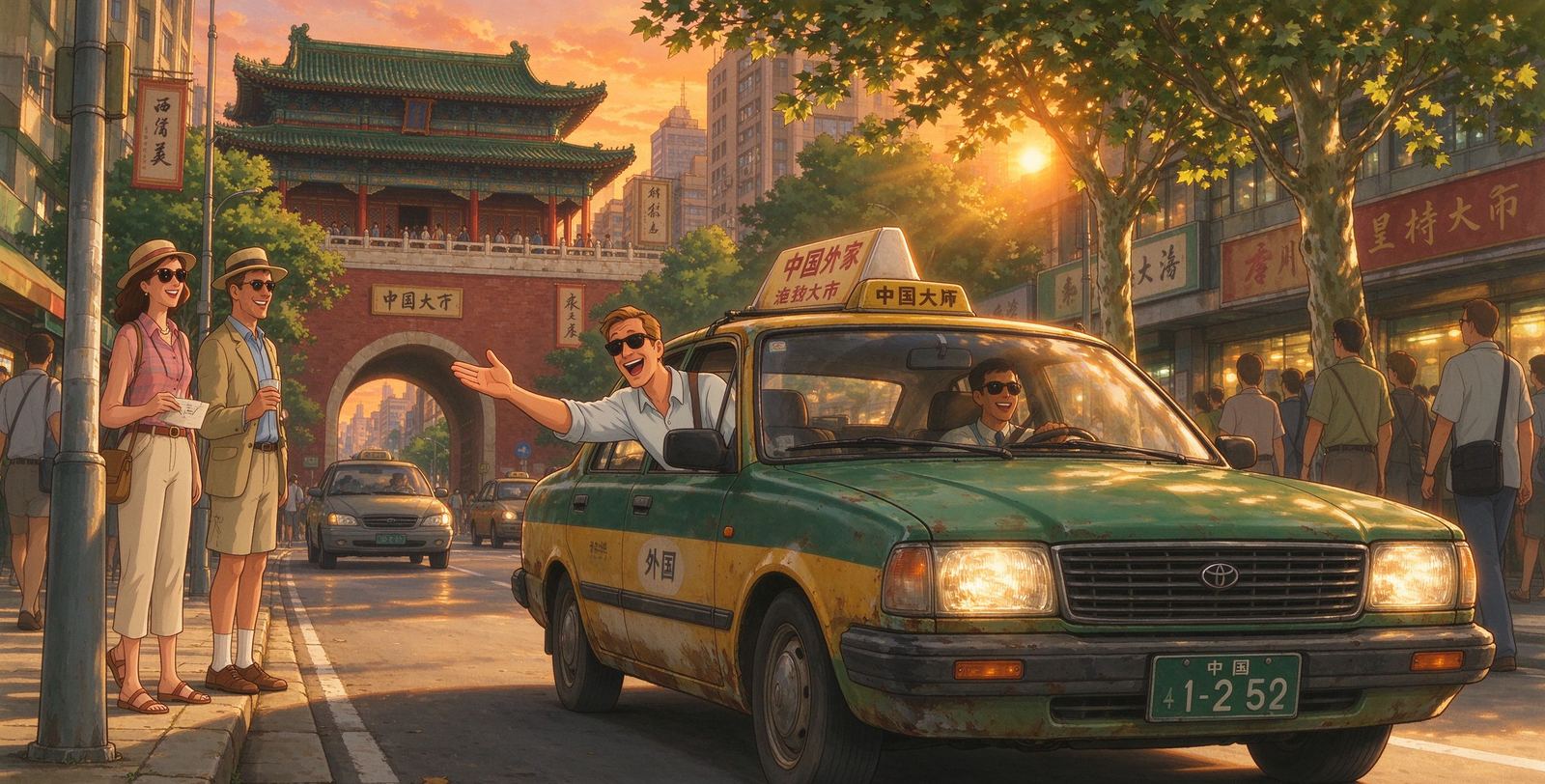 Book this →
1. The taxi loop: "the famous artist" who is never an artist
This is the one my friend fell for, and Beijing police keep dismantling versions of it. A taxi or black car idles near a big hotel or a scenic gate; the driver offers a "special route" — the Forbidden City is suddenly closed, or he knows a "once-in-a-century blessing ceremony" at a famous temple. Halfway there, the car "breaks down" and a second driver continues the pitch. You end up at a shop where a "calligraphy master" or a "jade connoisseur" performs, and the ink or the carved stone is priced at ¥600–6,000. Police have named this the "five-qi" routine — long city's qi, forbidden city's qi, and now this shop's qi. One Beijing shop working this loop, "Baiyun Deep", was shut down and ordered to rectify after a joint raid. The fix is boring and it works: take official taxis or ride-hailing only, never accept a driver's "recommended stop", and if a stranger steers you anywhere "for your luck", you're the product.
【中文】我朋友中招的就是这个,北京警方一直在打击它的各种变体。出租车或黑车停在酒店或景点门口,司机主动提供"特别路线"——故宫突然"闭馆",或者他认识某名寺"百年一遇的开光庆典"。半路车"坏了",第二辆车的司机接棒继续洗脑。你最终被带到一家店,店里"书法大师"或"玉器行家"现场表演,墨迹或雕件标价 ¥600–6000。警方称之为"五气"套路——长城的霸气、故宫的贵气、这家店的财气。北京一家按此路数运作的"白云深处"购物店在一次联合执法后被勒令停业整改。破解方法无聊但有效:只坐正规出租车或网约车,绝不接受司机"推荐"的任何站点;如果陌生人以"为你转运"为由把你往任何地方带,你就是那单生意。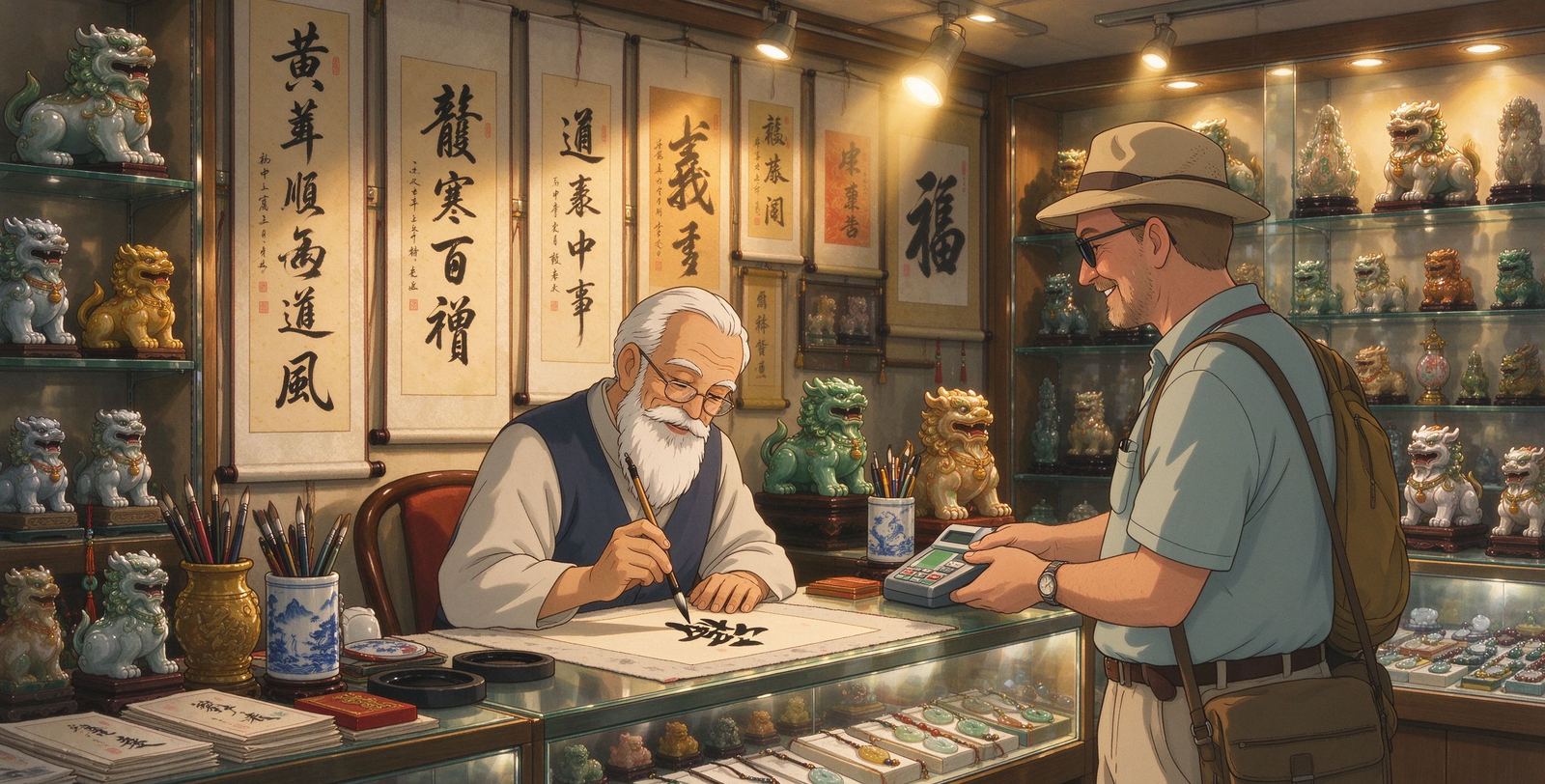 Book this →
2. The one-day tour that becomes half a day of shopping
Beijing police's classic example is the "Changling–Badaling" route: street touts sell a cheap Great Wall day trip, then quietly swap in Shuiguan Great Wall or Juyongguan instead of Badaling, cut the sightseeing time, push the cable car as a "must-pay", and stack most of the day inside jade and souvenir shops. The same pattern appears in every big city — the tour is cheap, the shopping is the business model. The fix: book tours only through licensed channels (Klook, official city tourism platforms, or the Beijing Tourist Distribution Centre), refuse any price that sounds too good, and if the itinerary on paper doesn't match the tour you get, that's your red flag to leave.
【中文】北京警方的经典案例是"长陵—八达岭"线路:街头揽客者卖廉价长城一日游,然后悄悄把八达岭换成水关长城或居庸关,压缩游览时间、把缆车说成"必付项目",把大半天塞进玉器店和土特产店。同样的模式每个大城市都有——团费便宜,购物才是生意。破解:只通过正规渠道订团(Klook、城市官方旅游平台或北京旅游集散中心),任何好得离谱的价格都别信;如果纸面行程和实际不符,那就是你该离开的红旗。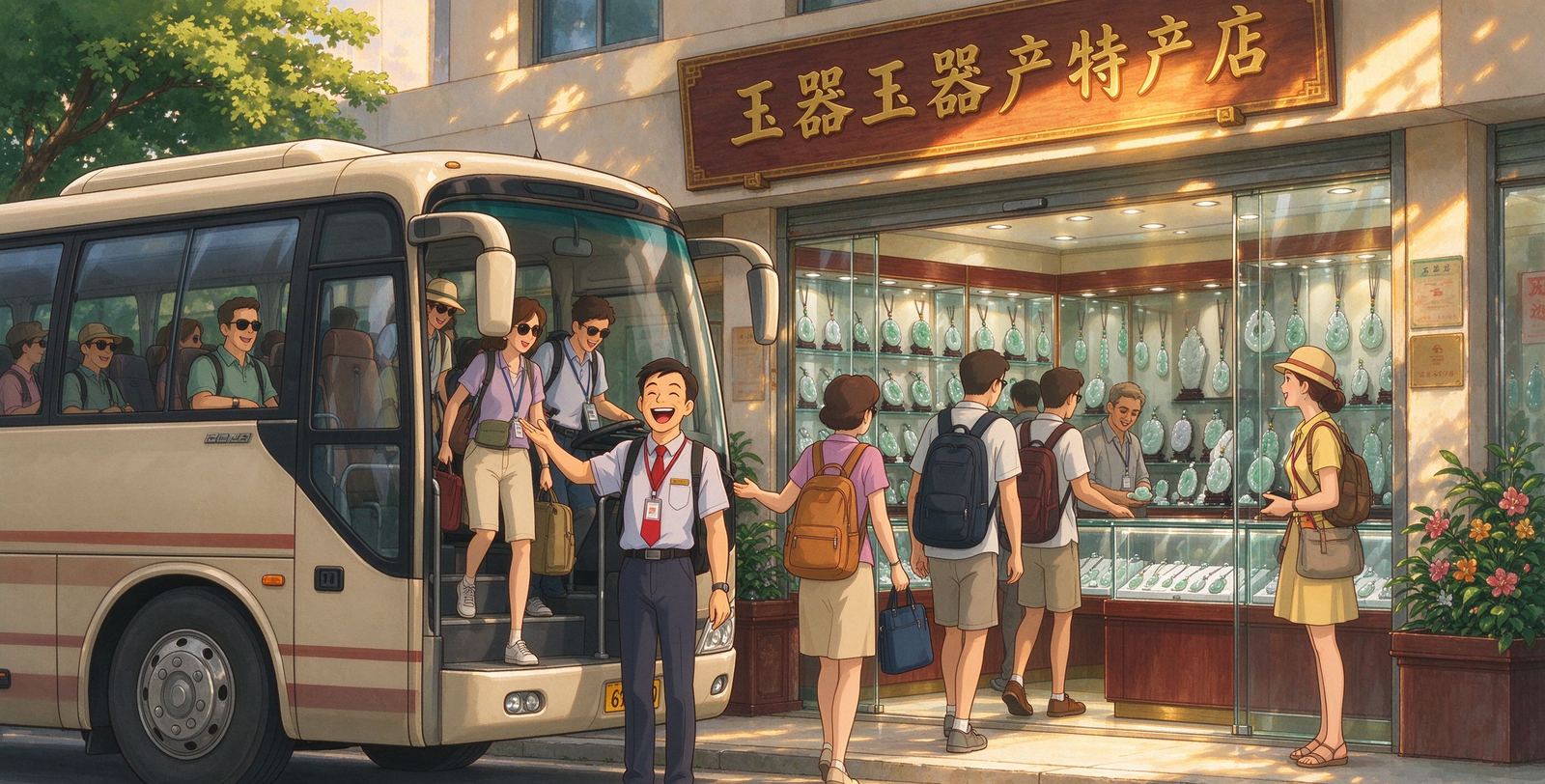 Book this →
3. The "free ticket" that isn't, and scalpers at the gate
Many of China's best sights are genuinely free but reservation-based — Sun Yat-sen Mausoleum, Nanjing Museum, the Forbidden City's public days, parks that are free-with-booking. Scalpers exploit the confusion: outside a gate, someone offers an "internal ticket" or "VIP pass" that gets you in now. Sometimes it works (it was a real ticket bought earlier); sometimes it doesn't, and you've paid three times the price for a QR code that's already been used. The fix: every major attraction has an official WeChat mini-program or official platform with the real price and slot. Book there. A stranger selling "special access" at the gate is, by definition, not official.
【中文】中国很多顶级景点真的免费,但必须预约——中山陵、南京博物院、故宫的开放日、免费但需预约的公园。黄牛利用这种信息差:门口有人兜售"内部票"或"VIP 通道",说能让你立刻进。有时管用(那是一张提前买的真票);有时不管用,你花三倍价钱买到一个已被用过的二维码。破解:每个大景点都有官方微信公众号小程序或官方平台,标着真实价格和时段。在那订。门口向你兜售"特殊通道"的人,按定义就不是官方。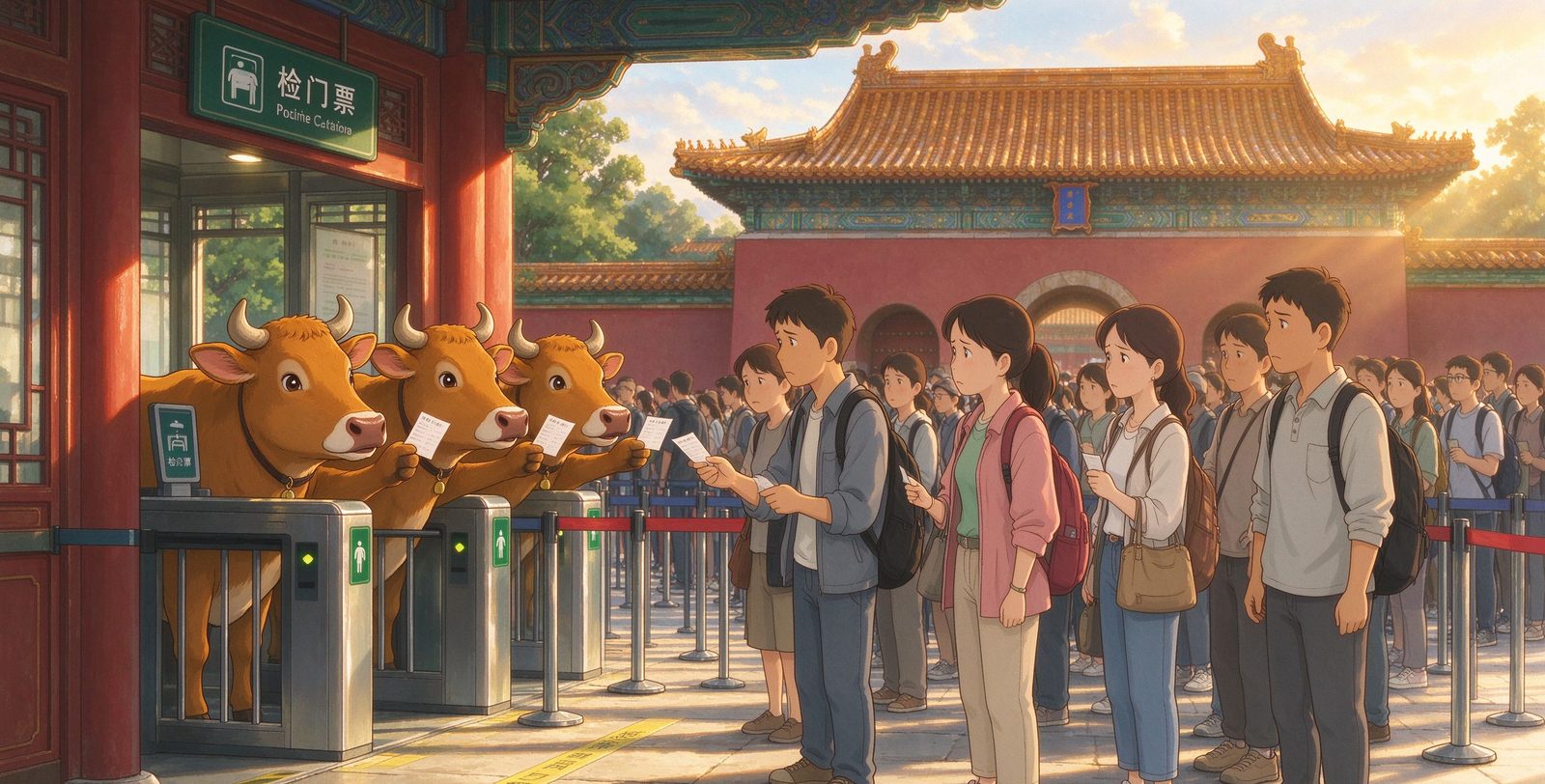 Book this →
4. The ¥21,040 wellness-room bill
In May 2026, People's Daily reported a tourist on a Lhasa group tour who was walked into a "wellness centre" where a staffer played doctor and sold one package of Tibetan medicine for ¥21,040. The pattern across the prosecutions is the same: a "pure-tour" promise on paper, then a stop at a clinic-like room; a lecturer who is actually a salesman; and high-margin goods — Tibetan medicine, silver, jade, health products — sold as "culture" or "healing". Regulators call these the "new disguises": shops registering as intangible-heritage centres, guides rebranded as "lecturers" and "consultants". The fix: any stop that isn't on the printed itinerary is a stop you can skip, politely and firmly. A "free consultation" in a shop is a sales pitch. And the single most protective habit in China: buy nothing inside a tour itinerary you didn't price yourself.
【中文】2026 年 5 月,人民网报道一名参加拉萨跟团游的游客被带进一家"养生馆",工作人员扮演医生,一单藏药卖出¥21040。各地处罚案例的套路一致:纸面承诺"纯玩",行程中安排进诊所般的房间;"讲师"其实是销售;高毛利商品——藏药、银器、玉器、保健品——被包装成"文化"或"疗愈"。监管称之为"新马甲":批量注册非遗资质的商店、改称"讲师""顾问"的导游。破解:任何不在纸质行程单上的停留点,你都可以礼貌而坚定地跳过。"免费咨询"就是推销。在中国旅行最该养成的一个习惯:不在自己没核过价的行程里买任何东西。 Book this →
5. The emotional-sales stop: tears, then the "rich kid" lecturer
Modern Chinese tourism enforcement has largely ended the shouting-and-threatening version of forced shopping. What replaced it is emotional. The guide shares a heartbreaking personal story, plays up how hard the job is, then "happens" to stop at a shop where a "second-generation rich kid" tells a tear-jerking tale about his filial devotion before pushing a low-end product at a high price. Regulators published a 2026 case where a guide told seniors "no purchase, no ride back on my bus". Another: a ¥199 Guilin 6-day tour that routed tourists through seven shopping stops. The fix: agree on the itinerary and the shopping stops in writing before you pay, keep your receipts and video evidence, and know the three numbers: 12301 (tourism complaints), 12345 (government hotline), 110 (police). You can file from abroad after you leave — the ministry publishes every quarter's cases.
【中文】中国旅游执法已经基本消灭了又吼又威胁的强迫购物。取而代之的是情感版。导游讲一个催人泪下的个人故事,卖惨说这行多不容易,然后"顺路"停在一家店,店里一个"富二代"讲着孝心感人故事,最后以高价推销低端货。监管部门公布的 2026 年案例里,一名导游对老年团说"不买东西就别上我的车"。另一个案例:¥199 桂林 6 日游把游客带进7 个购物点。破解:付款前把行程和购物点在书面合同里定死,保留票据和视频证据,记住三个号码:12301(旅游投诉)、12345(政务热线)、110(报警)。你离开后也可以在境外投诉——文旅部每季度公布典型案例。6. Cheap tours, "free" tours, and the ¥1,499 trip to nowhere
The ministry's 2026 enforcement rounds are full of them: a ¥1,580 "VIP" Vietnam tour for insurance clients, a ¥1,499 Jeju tour, a "free" day trip where the fine print was eggs and cooking oil. The tell is arithmetic: a flight, hotels, meals and a guide cannot cost ¥199. When a price defies math, the difference is recovered from you in the shop. The fix is a rule, not a judgement: price the components yourself, treat anything below roughly cost as a loss-leader, and book through platforms with reviews and licensed operators. If you're already on a tour that turns out to be a shopping trip, the strongest move is to leave the itinerary at the next city and book your own way forward — a same-day train or flight solves it.
【中文】文旅部 2026 年的执法通报里全是这类案例:¥1580 的保险客户"VIP"越南团、¥1499 的济州岛团、"免费"一日游——赠品是鸡蛋和食用油。破绽是算术:机票、酒店、餐食加导游不可能只要 ¥199。价格不合逻辑时,差额就从你的购物里补回来。破解是一条规则而不是一次判断:自己把各项成本加一遍,任何明显低于成本的报价都是诱饵,只通过有评价、有资质运营商的平台预订。如果你已经在车上、而它变成购物团,最强的一招是在下一座城市离团,自己订票往前走——当天的高铁或航班就能解决。7. The three habits that dodge nearly all of it
One: book the components, not the package — official tickets on official platforms, hotels and trains on Trip.com, day tours and private drivers on Klook, where the operators are reviewed and the price is fixed before you arrive. Two: pay with apps, not cash — Alipay and WeChat Pay leave a digital trail a shop cannot argue with, and the exchange-rate price is the price. Three: photograph the licence plate and the itinerary — a taxi's plate, a tour bus's plate, the printed schedule. That one photo is what turns a complaint into a refund. None of this makes China risky; it makes it easy. The same cities that host these touts also host some of the best travel on earth — you just want the official door, not the street-corner one.
【中文】一:订"零件",不订"套餐"——官方平台订官方票,Trip.com 订酒店和火车,Klook 订一日游和私人司机,运营商有评价、价格在下单前就固定。二:用 App 付款,不用现金——支付宝和微信支付留下店家无法争辩的数字凭证,汇率价就是成交价。三:拍下车牌和行程单——出租车车牌、旅游大巴车牌、纸质日程。这一张照片能把投诉变成退款。这一切不意味着中国有风险;它意味着中国很省事。这些拉客者所在的城市,同时拥有地球上最好的一批旅行体验——你只是要走官方那扇门,而不是街角那扇。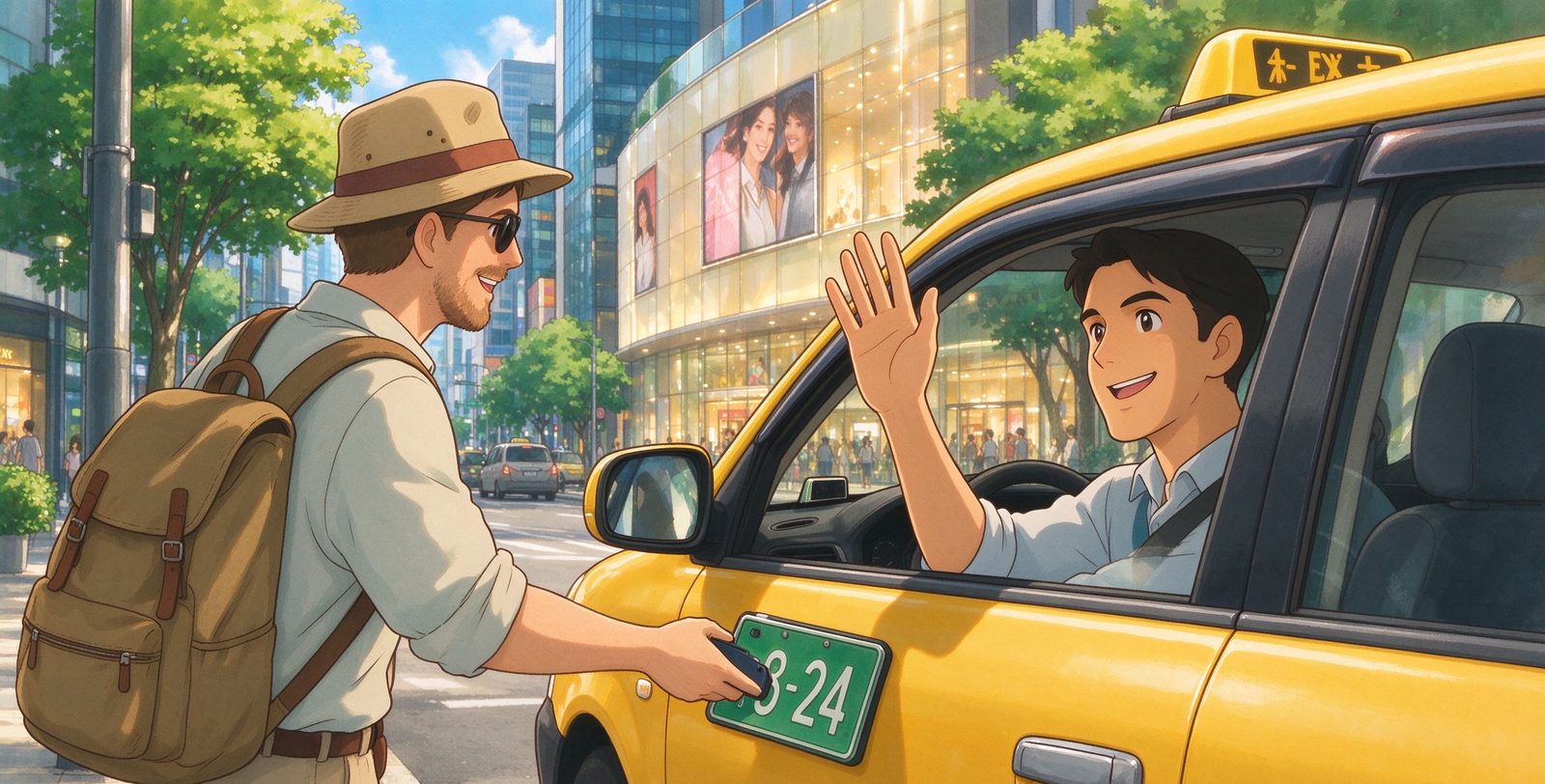 Book this →
What to remember, in one table
| Scam | The tell | The fix |
|---|---|---|
| Taxi "artist"/jade loop | Driver steers you to a "special" shop | Official taxis/ride-hailing only; decline all stops |
| One-day tour = shopping trip | Price too good; site swapped (Shuiguan for Badaling) | Book licensed tours; itinerary in writing |
| Scalped "internal" tickets | Stranger selling access at the gate | Official WeChat mini-program or platform only |
| Wellness-room medicine bill | "Consultation" inside a shop; lecturer = salesman | Skip anything off-itinerary; never buy unpriced |
| Emotional shopping stop | Guide's sad story before a shop | Contract with stops; receipts + video; 12301/12345 |
| Cheap/free tour | Price below cost; "gifts" to bait you | Price components yourself; leave if it turns to shopping |
That table is the whole article, if you want it short. The rest is context: Chinese authorities prosecuted these patterns repeatedly in 2026 — Beijing police's five-scam guide, the ministry's enforcement bulletins in February, May and beyond — and the country is not shy about admitting the problem exists. That honesty is part of why the fixes work. Book official, pay by app, photograph the plate, and China remains exactly the trip you came for.
【中文】这张表就是全文的浓缩版。其余是背景:中国当局在 2026 年反复打击这些套路——北京警方五大骗局指南、文旅部 2 月和 5 月的执法通报——而且这个国家毫不避讳承认问题的存在。这种坦诚正是破解办法管用的原因。官方渠道预订、App 付款、拍下车牌,中国依然是你专程而来的那趟旅行。One last scene, because the good version of China deserves the last word. Two evenings after the calligraphy shop, I was standing in a night-market alley in the old town, a paper cup of hot soy milk in one hand and a skewer in the other, while a stallholder taught me the word for "spicy" by pointing at her mouth and laughing. A teenager on a scooter weaved past with his homework in the basket. Nobody tried to sell me anything except the food on the grill. That's the China you're actually travelling to — and now you know exactly how to keep it that way.
【中文】最后一个场景,因为中国好的那一面配得上压轴。书画店事件的两个晚上之后,我站在老城的一条夜市小巷里,一手端着热豆浆、一手拿着烤串,摊主指着自己的嘴笑着教我说"辣"字。一个骑踏板车的少年车篮里装着作业擦身而过。除了烤架上的食物,没人向我推销任何东西。这才是你真正要去的中国——现在你也知道怎么保持它这样了。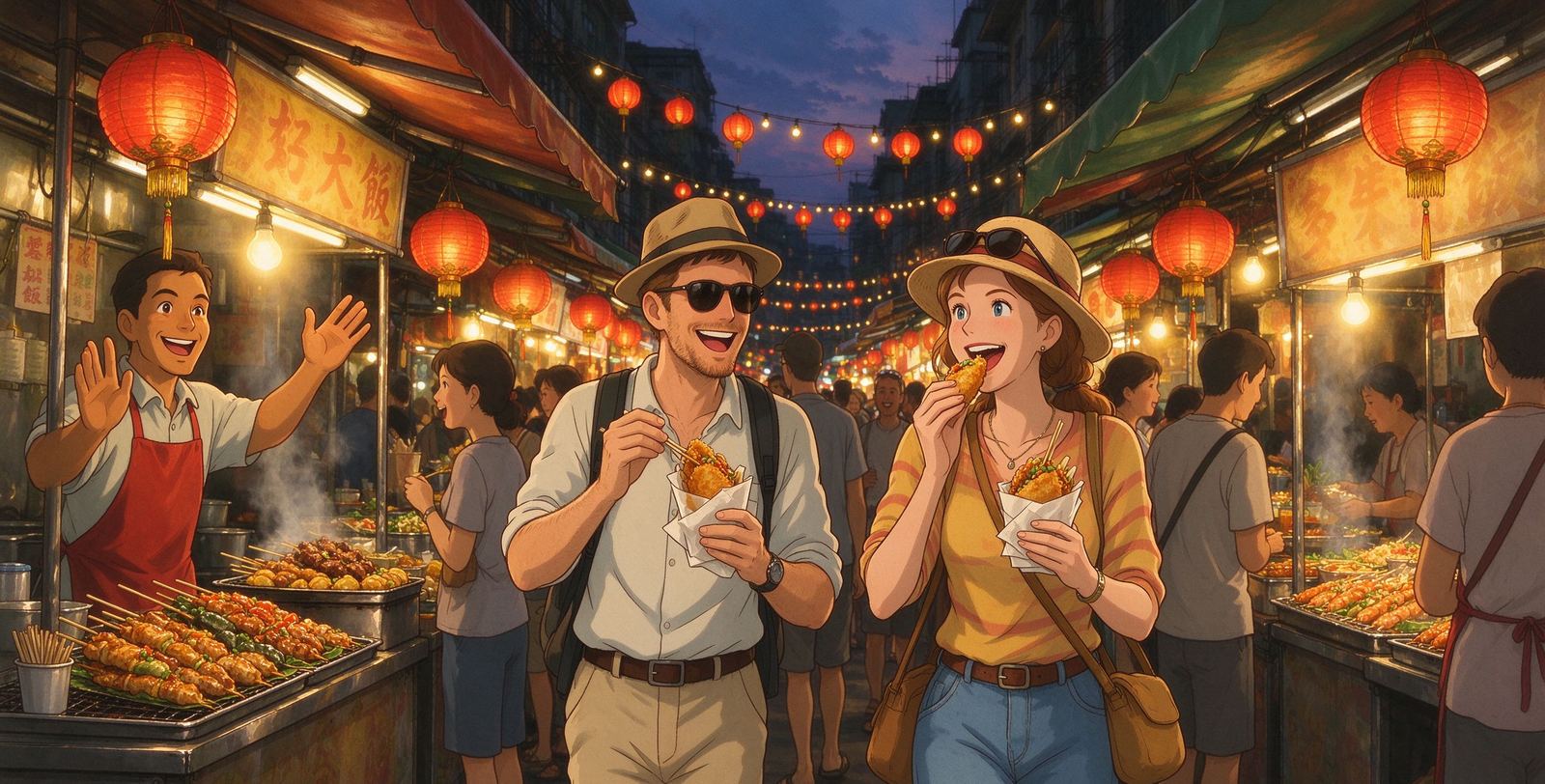 Book this →