
My flight landed at Pudong at 23:10, and the first thing I noticed was the taxi queue — 40 people deep, snaking past the exit in the drizzle, and the driver at the front shaking his head because he didn't have change for a 100-yuan note. I pulled out my phone, opened Didi, and nine minutes later a driver called to say he was outside Gate 3. That is the whole argument for this app in one scene: no cash, no Mandarin, no queue — just a price shown before you confirm, a car that finds you, and a receipt in the app when it's over. Two weeks and thirty-one rides later, I'm writing down exactly how it works, what it costs, and the three things I'd fix if I were doing my first China trip again.
【中文】我的航班23:10落地浦东,第一眼看到的是出租车长队——40多人,在细雨里蜿蜒排出出口,队首的司机直摇头,因为他找不开一张100元。我掏出手机打开滴滴,9分钟后司机打电话说他在3号门外面。这就是这个App的全部意义,浓缩在一个场景里:不用现金、不用中文、不用排队——确认前先显示价格、车会来找你、结束时有电子账单。两周31程之后,我把它的用法、花销和如果重来一次我会改的三件事写下来。 Book this →
1. Why Didi instead of a taxi
China's street taxis are fine — the official ones are metered, the base fare in Beijing is ¥13 for the first 3 km plus ¥2.3 per km (a ¥1 fuel surcharge per trip on petrol cabs), and drivers will take you anywhere. But flagging one down has three real problems for a visitor: the driver needs payment you can actually make (cash requires change, and cards are hit-or-miss), the meter reading is in Chinese, and on a rainy night at an airport you're one of fifty people fighting for the same doors. Didi solves all three. The ride-hailing app — China's Uber, owned by the same family of services as Uber's old China business — shows the estimated price before you confirm, accepts international cards, works with an English interface, and in 2025 even became the officially recommended way for foreign business travellers to get around during the Canton Fair. If you can use Uber, you can use Didi; the difference is that Didi actually works here.
【中文】中国街头出租车本身没问题——正规车都打表,北京起步价3公里内¥13、之后每公里¥2.3(燃油车每程加1元燃油附加费),司机哪都去。但对游客来说招手叫车有三个真问题:司机需要你能付的钱(现金要找零,刷卡时灵时不灵)、计价器是中文的、雨夜机场里你要和五十个人抢同一扇门。滴滴把三个都解决了。这款网约车App——中国的优步——确认前显示预估价格、接受国际卡、支持英文界面,2025年还成了广交会期间官方推荐给外国商务客的出行方式。会用优步就会用滴滴;区别是滴滴在这儿真能用。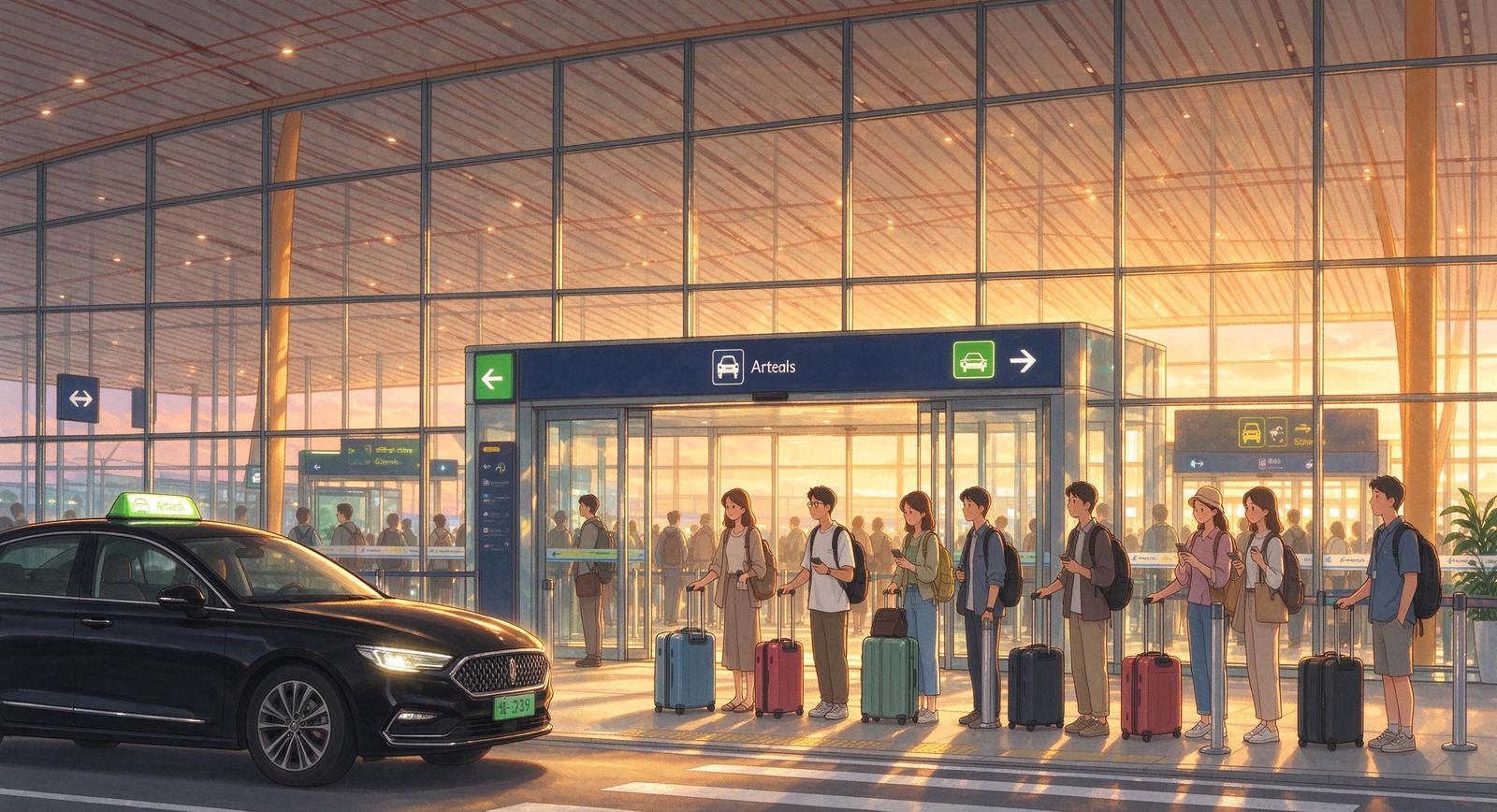 Book this →
2. Setting up in five minutes
You do this before you fly, because the airport is the moment you'll need it most. Download "Didi" (or "DiDi Rider") from the App Store or Google Play, then switch the language to English — the toggle is under Profile → Settings, and the English build is a full translation, not a stub. Register with your own country's phone number: Didi accepts numbers from the US, UK, Australia, Canada, France, Japan, South Korea and more for registration — no Chinese SIM required, which is the point that surprises most people. Next, payment: add a Visa or Mastercard under the wallet section (foreign-issued cards work), or if you already have Alipay or WeChat set up with a foreign card, you can simply pay through them. The app also supports cash in some cities, but don't rely on it — the whole point is to never touch a note. Total setup time: about five minutes, best done over hotel WiFi.
【中文】出发前就弄好,因为机场是你最需要它的时候。从App Store或Google Play下载"Didi"(或"DiDi Rider"),然后把语言切成英文——入口在"我的→设置",英文版是全量翻译不是半吊子。用你本国的手机号注册:滴滴接受美国、英国、澳大利亚、加拿大、法国、日本、韩国等多个国家地区的号码——不需要中国SIM卡,这是最让人意外的一点。接下来是支付:在钱包里绑定Visa或万事达(境外发行的卡可用),或者如果你已经用境外卡开通了支付宝/微信,直接用它付款也行。部分城市也支持现金,但别指望它——重点就是不碰纸币。全程约5分钟,最好在酒店WiFi下完成。 Book this →
3. Booking your first ride
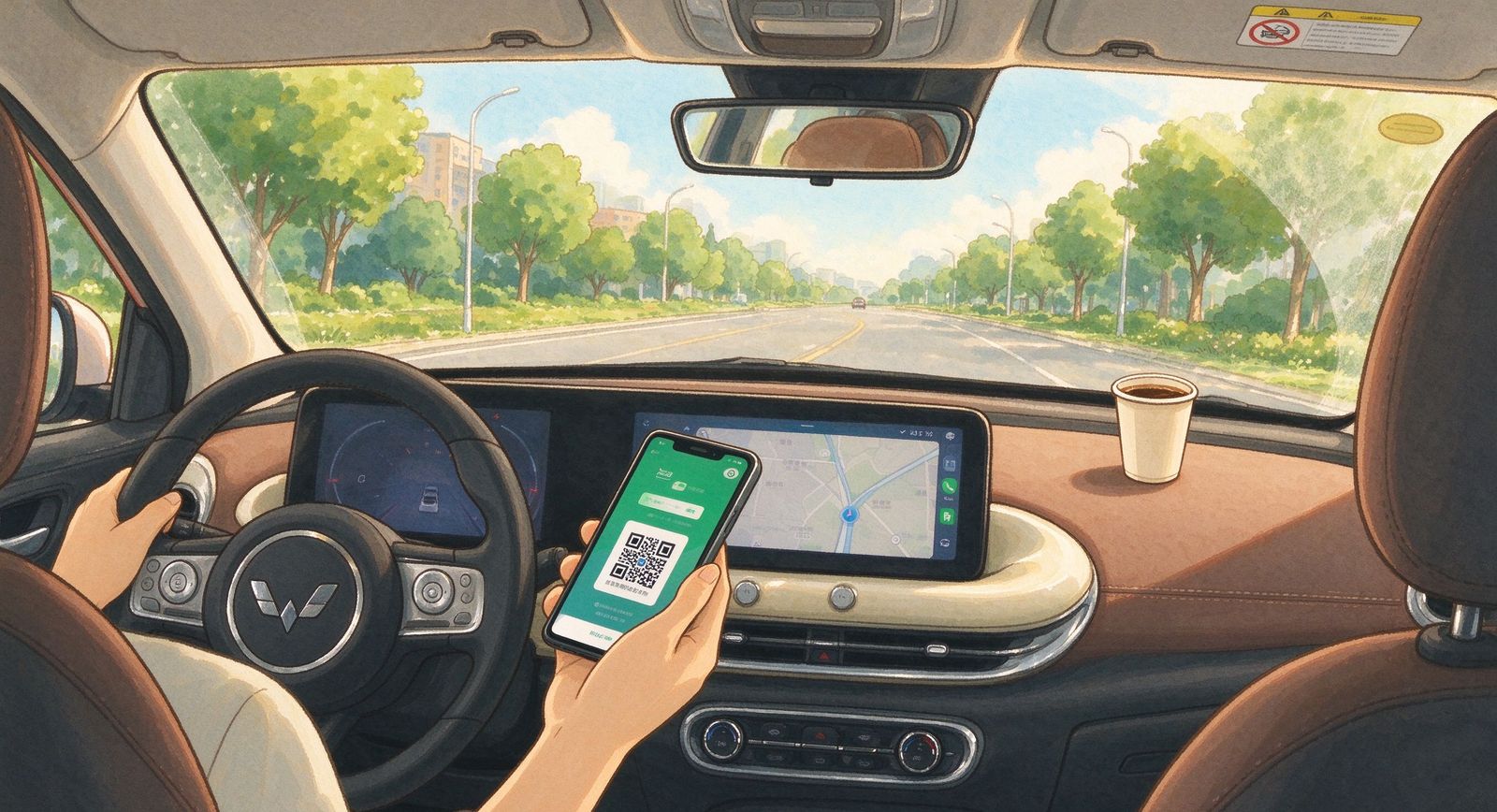
The booking flow will feel like home if you've ever used Uber. Set the destination — you can type in English or pinyin ("People's Square" or "Renmin Guangchang" both work, and the app translates), then pick a car type. You'll see four or five tiers; for most trips the sensible default is 快车 (Kuaiche, "Express"), the everyday sedan that is about a third cheaper than 专车 (Zhuanche, "Premier"). The price shown before you confirm is a band, not a guarantee — surge pricing exists at rush hour and in rain, and the final fare can be a few yuan either way. Tap confirm, and within seconds a driver accepts; the screen then shows his plate number, the car's colour, and a real-time map of him coming to your pickup point. One thing I learned the hard way: the app defaults to your GPS location, and in a big terminal that GPS point can be a floor up — set the pickup pin on the actual departures/arrivals level, or the driver will text you "where are you?" while circling the building.
【中文】如果你用过优步,整个叫车流程会非常熟悉。设置目的地——可以直接输英文或拼音("People's Square"和"Renmin Guangchang"都能识别,App自带翻译),然后选车型。你会看到四五个档次;多数行程的明智默认是快车,日常轿车,比专车便宜约三分之一。确认前显示的价格是一个区间而不是保证价——高峰和雨天有动态加价,最终车费上下差几块钱。点确认,几秒内司机接单;屏幕上显示他的车牌、车身颜色和实时地图看他驶来。一个我吃过的亏:App默认用你的GPS定位,在大航站楼里GPS可能偏一层楼——把上车点针标在真实的到达/出发层,否则司机会绕着楼转圈发消息问你"你在哪?"4. What it actually costs
Here are the real 2026 numbers. Beijing Express base fare is ¥14 for the first 3 km, then about ¥1.8 per km — a 10 km ride across the city runs ¥25–40, which is what you'll pay between, say, the hutongs and the Summer Palace. Shanghai's metered taxis start at ¥14 for 3 km; Didi prices track similar territory. The trips that matter most: Beijing Capital Airport to central Beijing runs roughly ¥90–150 by ride-hailing (about 27 km; the ¥25 airport express rail is the cheap route, and the metro is even less). Shanghai Pudong to downtown runs ¥150–250 by car depending on time of day — compare the maglev at ¥50 (¥40 with same-day flight ticket) and Metro Line 2, which does the same run for a few yuan. My honest advice: take the rail on the way in when you're fresh, and Didi on the way out when you're loaded with luggage. High-speed rail stations are the same story — Didi to and from a station costs ¥10–30 around most city centres.
【中文】这是2026年的真实数字。北京快车起步价3公里¥14、之后约每公里¥1.8——市区10公里一趟¥25–40,比如从胡同去颐和园就是这个价。上海打表出租车3公里起步¥14;滴滴价位也在这个区间。最要紧的几趟:北京首都机场到市中心网约车约¥90–150(约27公里;¥25的机场快轨是省钱路线,地铁更便宜)。上海浦东到市区打车约¥150–250,看时段——对比一下磁悬浮¥50(凭当日机票¥40)和地铁2号线几块钱跑完全程。我的诚心建议:进城的路上人还精神,坐轨道交通;出城拖着行李,用滴滴。高铁站同理——多数城市市中心到高铁站打车¥10–30。 Book this →
 Book this →
5. Talking to your driver
The thing everyone worries about — "what if I can't talk to the driver?" — turns out to be a non-issue. Didi's built-in chat translates between Chinese and English in real time. You type "I'm at Gate 3, wearing a grey jacket" in English; the driver receives it in Chinese; his reply "我到了" arrives in your feed as "I've arrived." It works both ways, it's automatic, and I used it on nearly every ride without once needing to speak. There's also a 24/7 in-app English customer service line if something actually goes wrong — a fare dispute, a lost item, a route that looks wrong. And the two of you don't even need to coordinate at pickup: the app shows both your positions moving toward each other, which is how I found my driver in a 40-person airport crowd twice. The one Mandarin phrase worth having is your destination in pinyin for the rare case a driver calls you by voice — but even that, in practice, was never necessary.
【中文】大家都担心的那件事——"万一我没办法和司机说话怎么办?"——结果根本不是问题。滴滴内置的聊天能把中英文实时互译。你用英文输入"我在3号门,穿灰色夹克";司机收到中文;他回"我到了"在你这边显示成"I've arrived"。双向自动翻译,我几乎每程都在用,一次都不用开口。如果真的出了状况——车费争议、丢东西、路线看着不对——还有7×24小时的App内英文客服。上车前你们甚至不需要语言协调:App同时显示你俩的位置相向移动,我靠这个在40人的机场人群里两次找到司机。唯一值得记的一句中文是目的地的拼音——以防司机打电话来问——但实际从没用上过。 Book this →
6. The pitfalls nobody warns you about
Three things bit me, and all three are avoidable. First: surge pricing at airports and stations after 9 pm. My 23:40 ride from Pudong cost ¥238 — the same run at 2 pm is ¥180. If your flight lands late, either accept the premium or take the rail; there's no way around the multiplier. Second: pickup-point confusion. The app's map pin is your GPS, and inside buildings GPS lies; fix the pin to the exact floor and gate before confirming. Third: the "share trip" feature. Before you get in, hit the share icon and send your live location to a friend — the driver sees you shared it, and in a foreign city that little nudge of accountability is worth a lot. Also worth knowing: Didi shows your driver's real name, plate and a badge, so check the plate before you open the door — it's the one habit that makes every ride feel boring and safe.
【中文】三件事坑过我,三件都能避免。第一:晚上9点后机场和车站的动态加价。我23:40从浦东走的那趟花了¥238——下午2点同一段是¥180。如果航班深夜落地,要么接受溢价要么坐轨道交通;倍数绕不过去。第二:上车点定位混乱。App的地图针是你的GPS,而建筑内GPS会撒谎;确认前把针标到具体楼层和门。第三:用"行程分享"功能。上车前点分享图标,把实时位置发给朋友——司机看得到你分享了,在异国城市里这小小的监督感很值钱。另外值得知道:滴滴显示司机的真名、车牌和证照徽章,开门前对一下车牌——这个习惯让每趟车都无聊而安全。7. When to skip the app
Didi is brilliant for point-to-point city rides, but there are two moments I'd skip it. If you're landing after a long flight and just want to be dropped at your hotel door, book a private airport transfer instead — a pre-paid car waiting with your name on a board, English-speaking driver, fixed price, zero setup, and it works before you've even installed the app. Trip.com sells these from major Chinese airports, and booking it with your hotel is one less thing to think about at 11 pm. Second, if your plan for a day is "drive me around and wait" — a full-day private car with a driver for the Great Wall, or a driver who stays with you while you photograph rice terraces — that's a day-trip service, not a taxi ride, and it's both cheaper and better booked as a package on Klook. For everything between two points, though, Didi is the answer, and it costs less than you think.
【中文】滴滴做点到点的市区出行非常棒,但有两个时刻我会跳过它。长途航班落地、只想被送到酒店门口——直接订私人机场接送:预付的专车举着名牌等你、司机说英文、价格固定、零配置,甚至在你装好App之前就能用。Trip.com从中国主要机场都有这种服务,和酒店一起订好,深夜11点就少一件事要想。第二,如果某天计划是"开车带我逛并等着"——包一整天的司机去长城、或者你拍梯田时司机在一边等——这是包车一日游,不是出租车,包在Klook套餐里又便宜又省心。至于两点之间的任何出行——滴滴就是答案,而且比你想象的便宜。One last note on the network question, because it comes up every single time: Didi needs mobile data, and your home carrier's roaming is expensive. Grab a Chinese eSIM before you fly — Airalo-style services cover China with a few dollars of data that also unlock Alipay, Didi and Google Maps, all of which are useless offline. Setup is a QR code scan at the airport gate; ten minutes later you're hailing cars like a local. The full picture after two weeks: thirty-one rides, every one arrived, every one paid by card in the app, and not once did I need to explain myself in Chinese. That's the entire review.
【中文】最后提醒一个每次都绕不开的问题:滴滴需要移动数据,而国内运营商漫游很贵。出发前买一张中国eSIM——Airalo这类服务几美元就能买到覆盖中国的流量,还能解锁支付宝、滴滴和谷歌地图,这些离线时全都不能用。在机场门口扫个二维码就完成设置;十分钟后你就能像本地人一样叫车。两周后的完整图景:三十一趟,每趟都准时到达,每趟都在App里刷卡支付,从没需要我用中文解释自己。这就是全部评测。 Book this →