Guizhou is the China people skip because nobody told them the numbers. The province holds the country's most photographed waterfall, a hillside village of 1,000-plus wooden stilt houses, and a high-speed rail network that puts both within half an hour of the provincial capital. The two headline tickets cost ¥160 (peak) for Huangguoshu and ¥90 for Xijiang. Add trains at ¥46.5 and ¥53–68, and a five-day trip that would cost three times as much in Yunnan comes in under ¥1,500 per person, all-in, before hotels.
【中文】贵州是多数人跳过的一站,原因往往只是没人告诉他们价格。这里有一座全国出镜率最高的瀑布、一片挂在山坡上的千户吊脚楼,还有一张把两者都拉到省会半小时内的高铁网。两张主力门票:黄果树旺季¥160、西江千户苗寨¥90;高铁¥46.5 与 ¥53–68。五天行程含吃住略高于¥1,500/人,同样内容在云南要贵三倍。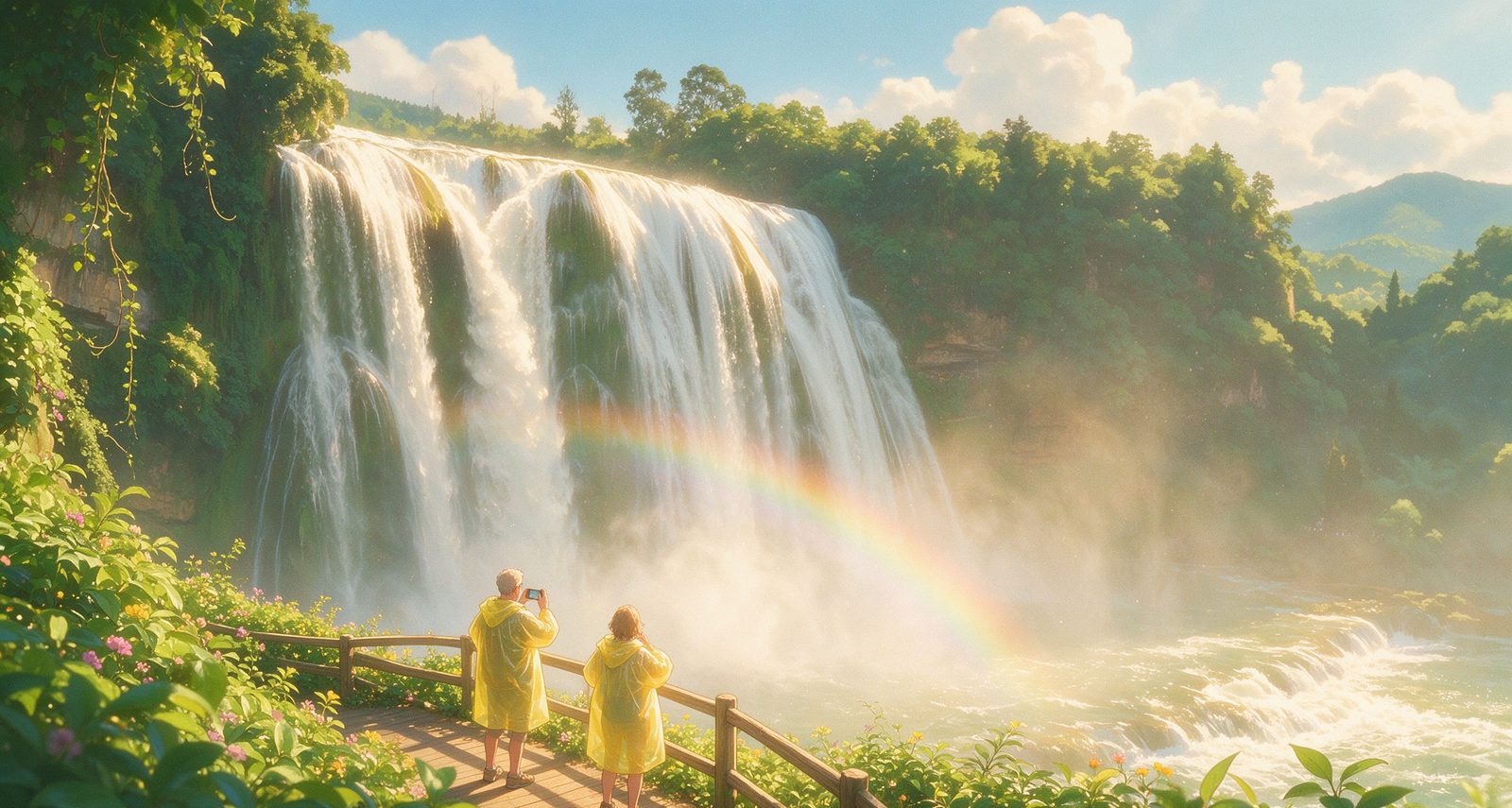 Book this →
1. The two tickets, and the trap inside the first one
Huangguoshu's gate price is ¥160 from 1 March to 30 November and ¥150 from 1 December to the end of February. That is not a guess: the Guizhou price authority cut it from ¥180/¥160 to ¥160/¥150 with effect from 1 October 2018, and the景区 has been advertising those two figures ever since. Xijiang Miao Village went from ¥100 to ¥90 on the same date, in the same province-wide round of cuts.
【中文】黄果树大门票:3月1日–11月30日 ¥160,12月1日–次年2月底 ¥150。这不是估算——贵州省发改委2018年10月1日起把原¥180/¥160下调为¥160/¥150,景区此后一直按这两档公示;西江千户苗寨同批由¥100降至¥90。Here is the trap. The waterfall complex is huge, and the ticket does not include the shuttle bus or the escalators. The operator's own price notice lists a ¥270 per-person package covering gate ticket, sightseeing shuttle, insurance and the return escalator. Walk in expecting to pay ¥160 and you will be standing at a ticket window doing arithmetic with a queue behind you — or worse, walking 40 minutes uphill in the rain because you skipped the shuttle. Budget ¥270 and treat ¥160 as the entry fee only.
【中文】坑在这里:景区极大,门票不含观光车和扶梯。运营方(安旅集团)公告中的打包价为¥270/人,含门票+观光车+保险+双程扶梯。只按¥160做预算,到了售票窗口才发现不够;更糟的是为了省车费在雨里走40分钟上坡。按¥270预算,把¥160只当"进门钱"。| Item | Price (2026) |
|---|---|
| Huangguoshu gate, peak / off-season | ¥160 / ¥150 |
| Gate + shuttle + insurance + return escalator | ¥270 per person |
| Xijiang Miao Village gate | ¥90 |
| Guiyang North → Anshun West (Huangguoshu) | ¥46.5, 2nd class, ~30 min |
| Guiyang North → Kaili South (Xijiang) | ¥53–68, 2nd class, ~35 min |
| Village shuttle / scenic-area buses | ¥20–50 per leg, pay on site |
2. Day 1: land in Guiyang and eat before you climb anything
Guiyang sits at about 1,100 m, so the first afternoon should be flat ground and food. Drop bags near the old town, then walk the riverfront around Jiaxiu Pavilion — a Ming-dynasty tower on a rock in the Nanming River, free to look at from the bank and a small separate fee if you want to go inside (closed Mondays). From there the streets behind are the city's eating engine: sour soup fish (suantang yu), rice rolls called siwawa that you wrap yourself, and grilled tofu cubes with chilli and fish-mint.
【中文】贵阳海拔约1,100米,第一下午别爬坡,去吃东西。住老城附近,先沿南明河看甲秀楼(明代楼阁立于河中巨石,河岸看免费;登楼另收小额门票,周一闭馆),再钻进背后的街巷:酸汤鱼、自己动手包的丝娃娃、烤小豆腐配折耳根。Two local habits save you money and time. First, every restaurant expects you to order via a QR code on the table — scan, add dishes, pay inside the mini-program; nobody will hand you an English menu unless you ask twice. Second, chilli here is a seasoning, not a dare: ask for wei la (mild) and you get a proper meal rather than a test. A two-person dinner of sour soup fish, two sides and rice lands around ¥120–160 in a normal local place; the tourist-facing restaurants on the main square charge double for the same pot.
【中文】两个本地习惯能省钱省事:店里基本都扫码点单,扫码、加菜、小程序里付款,不问两次没人主动给英文菜单;这里的辣是调味不是挑战,说"微辣"就能好好吃一顿。两人酸汤鱼+两个小菜+米饭,本地普通店约¥120–160;广场边游客店同样的锅要翻倍。3. Day 2: the waterfall, done in the right order
Take an early G-train from Guiyang North to Anshun West. The fastest runs are about 30 minutes and ¥46.5 in second class (that is the published fare on the through service; check 12306 the night before, because a handful of departures price differently). From Anshun West it is a 40-minute road transfer to the scenic area gate — shuttle buses and ride-hailing both work, and the return leg is the part people forget to plan.
【中文】早上从贵阳北坐G字头到安顺西,最快约30分钟、二等座¥46.5(此为直达车次公布票价,个别车次有差异,出发前一晚查12306)。安顺西到景区大门约40分钟车程,景区巴士和网约车都能用——返程这一段最容易被漏掉。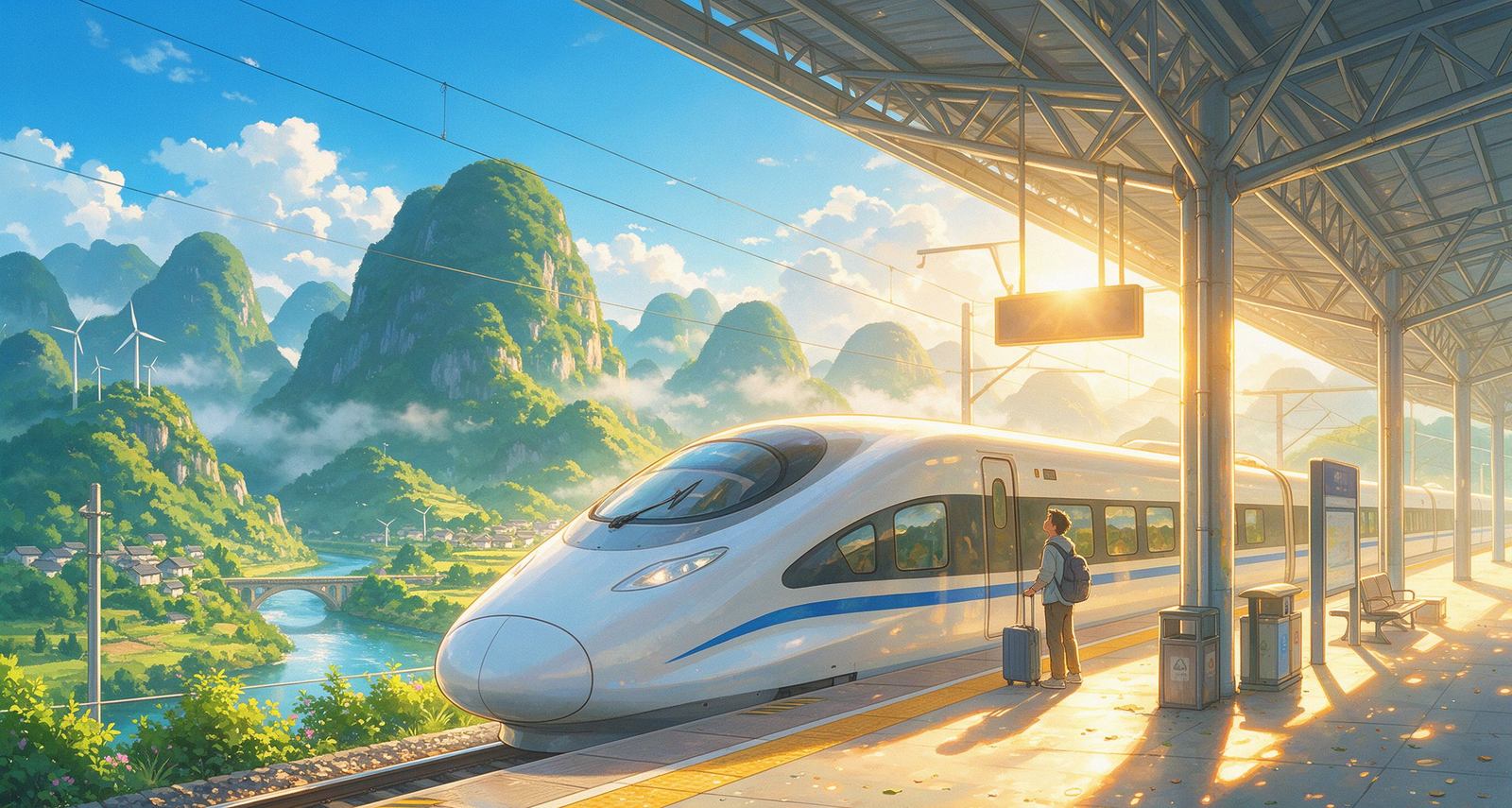 Book this →
Inside, the classic route is gate → shuttle to the Grand Waterfall → the water-curtain cave behind the falls → downhill to the viewing terraces → shuttle onward to Doupotang and Tianxing Bridge. Do it in that direction and you walk down; do it backwards and you climb 300-odd steps in spray. The water-curtain cave — a path that runs behind the falling water — is the reason this site beats every postcard: you get wet, the roar is physical, and on a sunny afternoon the rainbow forms right at eye level. Bring the ¥5 poncho they sell at the gate; an umbrella is useless in that wind.
【中文】园内经典路线:大门→观光车到大瀑布→水帘洞→下行到观景台→继续坐车去陡坡塘、天星桥。按这个方向走是下坡,反过来就是在水雾里爬三百多级台阶。水帘洞(从瀑布背后穿过的小径)是这里胜过所有明信片的原因:会被淋湿、水声是实体级、晴天午后彩虹正好在视线高度。门口¥5的雨衣买一件,这种风里打伞没用。Timing note that actually matters: arrive at the gate by 08:30. By 11:00 the shuttle queue is 40 minutes and the cave path becomes a single-file shuffle. November is a sweet spot — the flow is still heavy from the wet season, the light is low and golden, and the crowds thin out after the October holiday. In December–February you pay ¥150 instead of ¥160, but the flow can drop by half and some of the upper trails close for ice.
【中文】真正重要的时间点:08:30前到大门。11点观光车排队40分钟,水帘洞变成单列挪步。11月是甜点期——雨季余量还在、光线低而金、国庆后人不挤。12月–2月门票省¥10,但水量可能少一半,部分上行步道会因结冰封闭。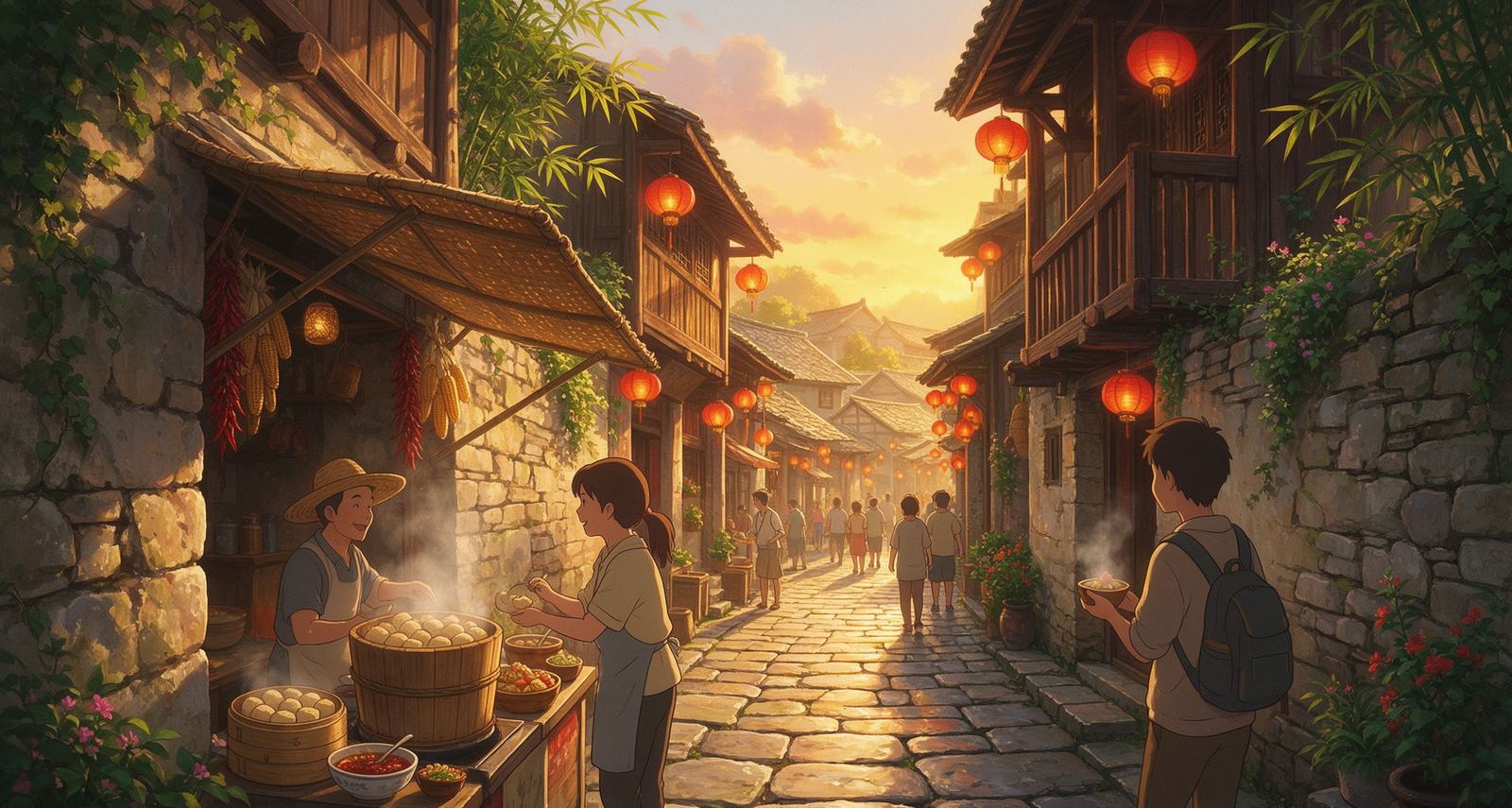 Book this →
4. Day 3: the 35-minute train to a village on a hillside
Back through Anshun, then Guiyang North to Kaili South: about 35 minutes, ¥53–68 in second class. The spread is real — I pulled the timetable the day before writing this and G5398, 07:28→08:03, was ¥53, while most mid-morning departures sat at ¥58–63 and a few peak services hit ¥68. First class is ¥90–106. Paying ¥68 instead of ¥53 buys you nothing except a later alarm.
【中文】原路回安顺,再贵阳北→凯里南:约35分钟,二等座¥53–68。这个浮动是真的——写稿前一天查的时刻表里,G5398(07:28→08:03)为¥53,多数上午车次¥58–63,少数高峰车¥68;一等座¥90–106。多花¥15 只是让你晚起一点,别的没差。From Kaili South, minibuses and ride-hailing cover the last 35–40 km to the village gate; buy the shuttle ticket at the booth outside arrivals rather than trusting a tout. Then comes the part that surprises people: Xijiang is not a museum, it is a working village of roughly 1,000 households stacked up a valley, and the ¥90 ticket is essentially a village entry fee. Bags go to the guesthouse by porter or by the village's own luggage service — the lanes are staircases, and rolling a suitcase up them at 21:00 is a genuinely bad idea.
【中文】凯里南到寨门还有35–40公里,小巴与网约车都能走;出站后在柜台买接驳票,别信拉客的。然后是最反常识的一点:西江不是博物馆,是一个约千户人家、沿山谷层叠而居的活村子,¥90本质是入寨费。行李让民宿找人挑或走村里的行李服务——巷子就是台阶,晚上九点拖箱子上坡是真的会后悔。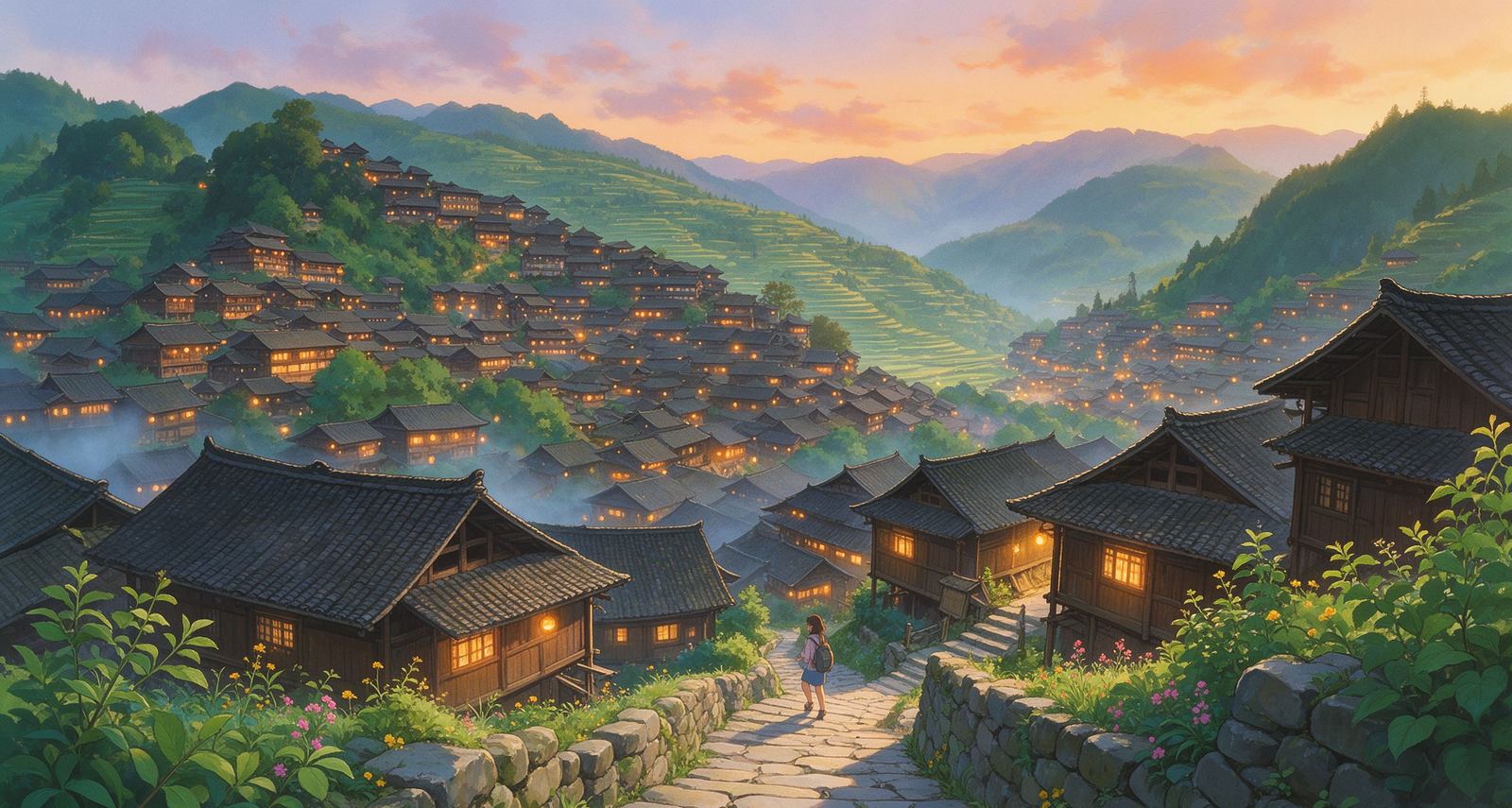 Book this →
Sleep high, not low. The view everyone comes for is the opposite slope at dusk, when the lights come on across the valley — and if your room is halfway up, you walk out of your door into it instead of queueing at a viewing platform. Rooms with a valley view run ¥300–600 midweek in the village; the same money at the entrance buys a bigger, blander box with no view at all.
【中文】住高处,别住低处。所有人来这里要的那一眼,是黄昏时对面山坡亮灯——房间在半山腰,出门就是景,不用在观景台排队。带山谷视野的房间寨内平日¥300–600;同样的钱在寨门口只能换一个更大更平庸、毫无视野的盒子。5. Day 4: silver, sour soup and a 200-metre-long table
Mornings in the village belong to the people who live there: women carrying firewood up the stair lanes, a butcher setting up, school kids in uniform, old men on low stools watching the valley wake up. Walk the upper lanes before 08:00 and you will have most of them to yourself, which is the version of Xijiang the afternoon tour groups never see.
【中文】清晨的寨子属于住在这里的人:背柴上台阶的女人、出摊的肉铺、穿校服的孩子、坐在矮凳上看山谷醒来的老人。08点前走上面的巷子,几乎只有你——这是下午团队客永远看不到的西江。The evening song-and-dance show on the village square is included with your ticket and is worth rearranging dinner for: dozens of women in embroidered pleated skirts and layered silver horn headdresses, drums, and a circle the tourists get pulled into. Silver here is not costume jewellery — it is family wealth, weighed in kilos, and you will see it on the older women walking past you on ordinary mornings.
【中文】傍晚寨子广场的歌舞表演含在门票里,值得为它调整晚饭时间:几十位穿绣花百褶裙、戴层叠银角头饰的女性,鼓声,最后游客会被拉进圈里。这里的银不是戏服——是家庭财富,按公斤计,平日早上就能在路过的年长女性身上看到。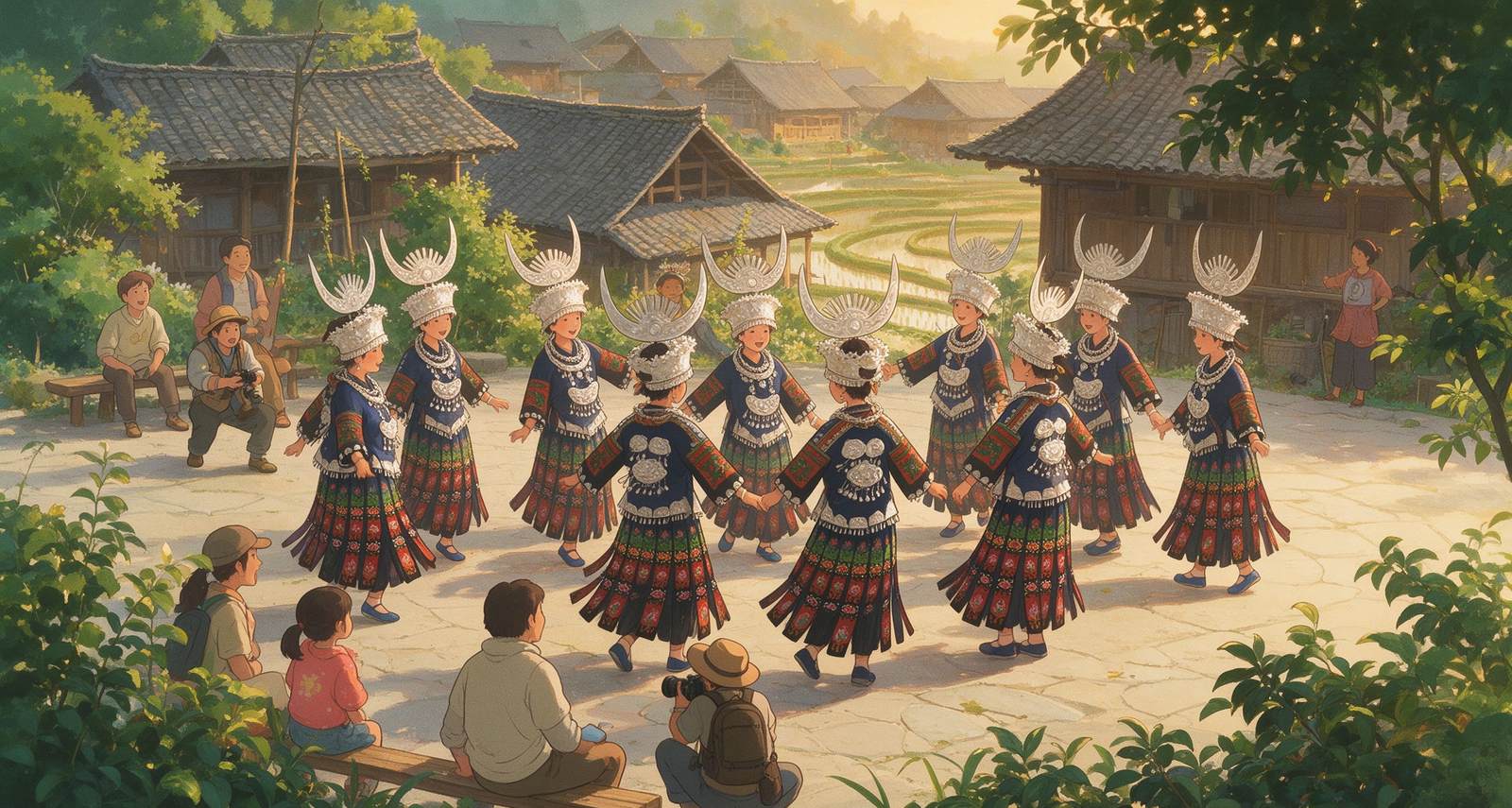 Book this →
Then eat the long-table meal (changzhuo yan): benches pushed end to end down the lane, dozens of small dishes in front of you, and a host who will refill your rice bowl and press rice wine on you in the same minute. It is a paid village experience rather than a restaurant, roughly ¥60–100 depending on the household, and it is the single best value in Guizhou. Say yes to the wine, sip it, and let them top you up when they insist.
【中文】然后去吃长桌宴:长凳沿巷子首尾相接,几十个小碟摆在你面前,主人一边给你添饭一边劝米酒。这是村里的付费体验不是餐馆,视人家不同约¥60–100,是贵州性价比最高的一顿。酒要接、要小口喝,他们坚持添的时候就让他们添。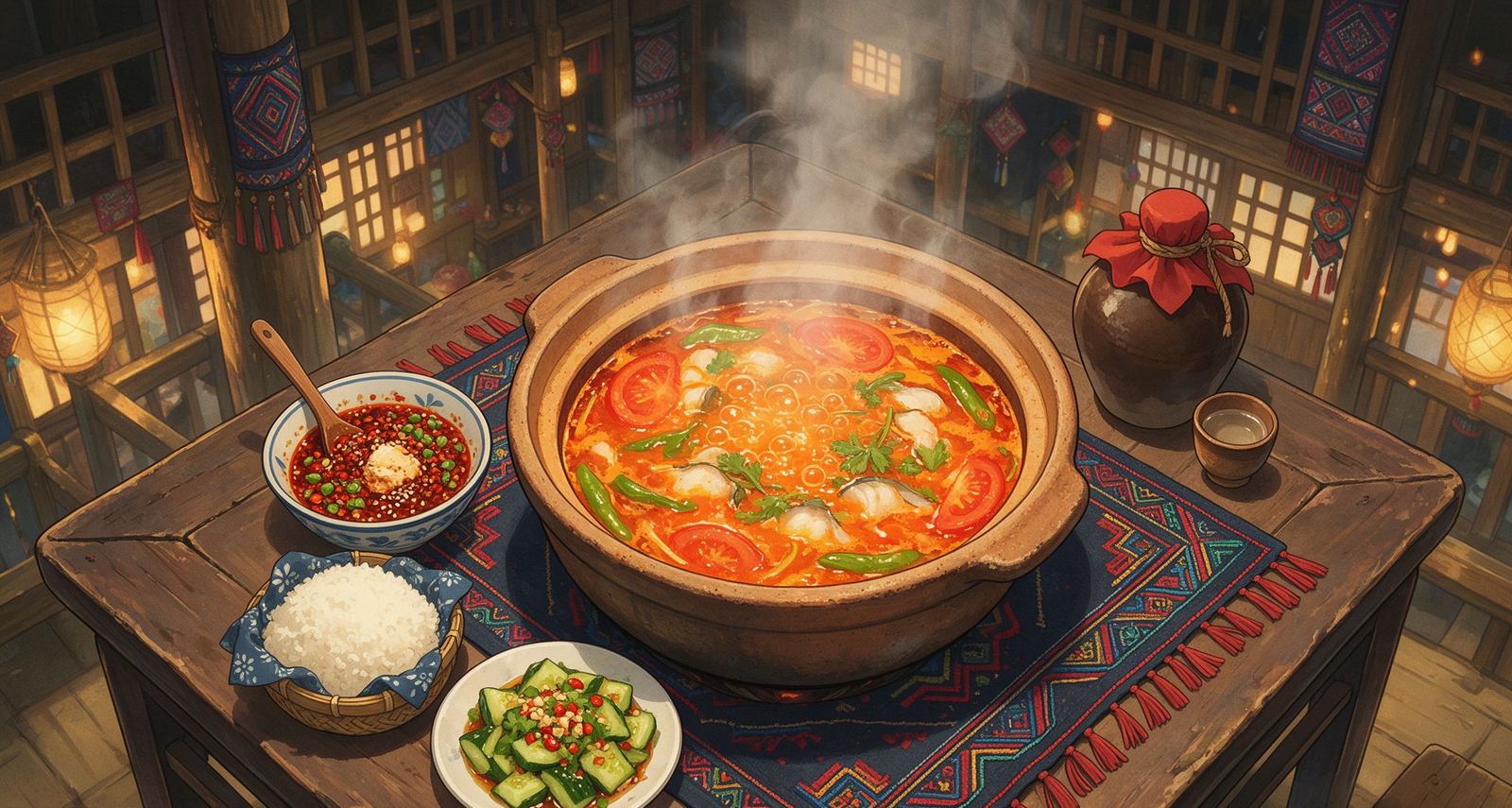 Book this →
6. Day 5: back to Guiyang, and what I would cut
Return on a morning train, drop bags, and spend the last afternoon on Qianling Hill — a city park with macaques, a Buddhist temple halfway up, and a ridge path with a view over the whole basin. Entry is a token fee, it takes two hours, and it is a better use of a final afternoon than another reconstructed old street. If you still have energy, the Guizhou Provincial Museum is free with a passport scan and explains the minority textiles you have been looking at all week.
【中文】早班车回贵阳,放行李,最后一个下午去黔灵山:城中公园、有猕猴、半山有寺、山脊步道能俯瞰整个盆地。门票很便宜,逛两小时,比再看一条仿古街值得。贵州省博物馆凭护照扫码免费,能把这一周看到的少数民族织物讲清楚。What I would cut: the commercial "Miao performances" staged at hotel restaurants in Kaili city, and any "waterfall + village + ancient town" one-day coach tour sold from Guiyang. Those itineraries spend five hours in a bus, hit each site between 12:00 and 15:00 when it is at its worst, and cost more than the trains plus the real tickets. Guizhou rewards two bases and slow mornings, not a checklist.
【中文】建议砍掉的:凯里市区酒店餐厅里那种商业"苗寨演出",以及贵阳出发的任何"瀑布+苗寨+古镇"一日大巴团。这类行程五小时在路上,每个点都卡在12–15点最差的时段,还比高铁+真门票更贵。贵州适合两个据点+慢早晨,不适合打卡清单。7. The money, honestly
Per person, five days, mid-range, sharing a twin room:
【中文】按每人、五天、中档、双人同住计:| Line | Amount |
|---|---|
| Trains (Guiyang–Anshun return, Guiyang–Kaili return) | ¥200–260 |
| Huangguoshu package (gate + shuttle + escalator) | ¥270 |
| Xijiang gate + village shuttles | ¥110–140 |
| Hotels, 4 nights, twin share | ¥700–1,200 |
| Food (local restaurants, long-table meal) | ¥350–500 |
| Total, excluding flights | ¥1,430–2,170 |
Compare that to a packaged Guizhou tour, which for the same two headline sites typically quotes ¥2,800–4,500 per person for four to five days including hotels, a guide, all transfers and the internal tickets. The package is genuinely better value if you do not want to solve the Anshun West transfer, the village shuttle and the ticket windows yourself — and for a first trip to a province where almost nothing is signposted in English, that is a reasonable trade. My own line: do the trains and the two bases independently, and buy a guided day for Huangguoshu only.
【中文】对照打包团:同样两个主力景点,4–5天含住宿、导游、全程用车和内部门票,市面报价多在¥2,800–4,500/人。如果你不想自己解决安顺西接驳、寨内交通和售票窗口,跟团确实更省心——对一个几乎没英文标识的省份的首次旅行,这笔钱花得合理。我的划线:高铁+两个据点自己走,只把黄果树那天买成一日游。8. Practical notes that will save you a day
Rain gear, always. This is a subtropical plateau: it can rain for 40 minutes and then be blindingly sunny, twice, in one afternoon. A packable shell beats an umbrella at the waterfall and in the village stair lanes. Cash is nearly useless — QR payment works everywhere from the ticket window to a grandmother selling embroidered sachets; set up Alipay or WeChat Pay before you fly, because a foreign card linked on arrival still occasionally needs a Chinese friend to confirm. Trains want your passport: book with the passport number, then use the passport itself at the gate, and allow 25 minutes for the security queue at Guiyang North on a Monday morning. Toilets at both sites are the sit-down kind in the main visitor centres and squat outside — carry tissue, because the dispenser is a rumour.
【中文】雨具必带:亚热带高原,一个下午可能下两场四十分钟的雨,然后晒到睁不开眼。瀑布和寨内台阶上,硬壳冲锋衣比伞好用。现金几乎没用——从售票窗口到卖绣花荷包的奶奶都收扫码;起飞前就把支付宝/微信支付设好,落地再绑外卡有时还要中国朋友确认。坐高铁要护照:用护照号买票、闸机刷护照,周一早上的贵阳北安检留25分钟。厕所:两个景区游客中心是坐便、外面是蹲便,自带纸巾——纸盒基本是传说。One last thing about the season. Guizhou's rains peak June–August and its light is best October–November; the village's big festival calendar sits around the Miao New Year in October–November and the Sister Rice Festival in spring. I went in early November: waterfall loud, village lanterns on by 18:20, no umbrella queue at the cave, and ¥150 hotels that cost ¥400 in August. If you can only take one week off a year, take this one.
【中文】最后说季节:贵州雨季峰在6–8月,光线最好在10–11月;苗年是10–11月、姊妹节在春天。我选11月初:瀑布声大、寨里18:20亮灯、水帘洞不用排队打伞、¥150的房在8月要¥400。一年只能请一周假的话,就请这一周。