
Easiest route first: use Trip.com (or the English 12306 app), book with your passport number at least a few days ahead, and scan your passport straight through the gate at the station. China's high-speed rail is clean, on time, and dramatically cheaper than flying — Beijing to Shanghai in 4.5 hours for about ¥550. The only real hurdle for foreigners is the passport-based real-name system, and once you have used it once, it is trivial.
【中文】先说最省事的:用 Trip.com(或英文12306 App),提前几天用护照号订票,到站直接刷护照过闸。中国高铁干净、准点,比飞机便宜得多——北京到上海4.5小时约¥550。对外国人唯一的小门槛是护照实名制,但用过一次就很简单。1. 12306 direct vs Trip.com: which to pick
12306 is the official railway app. It now has an English mode and accepts foreign passports directly. It costs exactly the face fare with no booking fee, and changes/refunds are instant. The catch: the English version is a little clunky, payment needs a Chinese payment method or an accepted foreign card, and seat selection on some routes is fiddly.
【中文】12306 是官方铁路App,现在有英文模式、直接收外国护照。票价就是票面价、不收订票费,改签退票秒到。缺点:英文版略难用、支付要绑中国支付方式或可用的外卡、选座在部分线路上比较别扭。Trip.com (the international Ctrip) resells the same 12306 inventory in clean English, takes your home credit card, and emails you the booking. It adds a small service fee (often ¥10–30 per ticket) and changes sometimes route through customer service rather than being instant. For first-timers I recommend Trip.com — the English flow and global card payment are worth ¥20. Use 12306 directly if you are a repeat visitor chasing the absolute lowest fare.
【中文】Trip.com(国际版携程)用干净的英文转售同样的12306票源,收你本国信用卡,邮件发确认单。它收一点服务费(每张常¥10–30),改签有时要走客服、不如官方秒改。第一次来我推荐 Trip.com——英文流程和国际卡支付值那20块。常客追求最低价就直接用12306。When do tickets actually open? Chinese rail releases seats about 15 days before departure, and popular routes (Beijing–Shanghai on a Friday afternoon, Beijing–Xi'an before a holiday) sell out fast. Set a reminder for that 15-day mark if you are travelling in peak season; outside holidays, booking a few days ahead is perfectly fine. Tickets never get cheaper the longer you wait — they get sold out.
【中文】票到底什么时候开卖?中国铁路大约提前15天放票,热门线路(周五下午京沪、节前京西)秒光。旺季就设个15天的提醒;节假日之外提前几天买完全够。票不会越等越便宜,只会越等越没。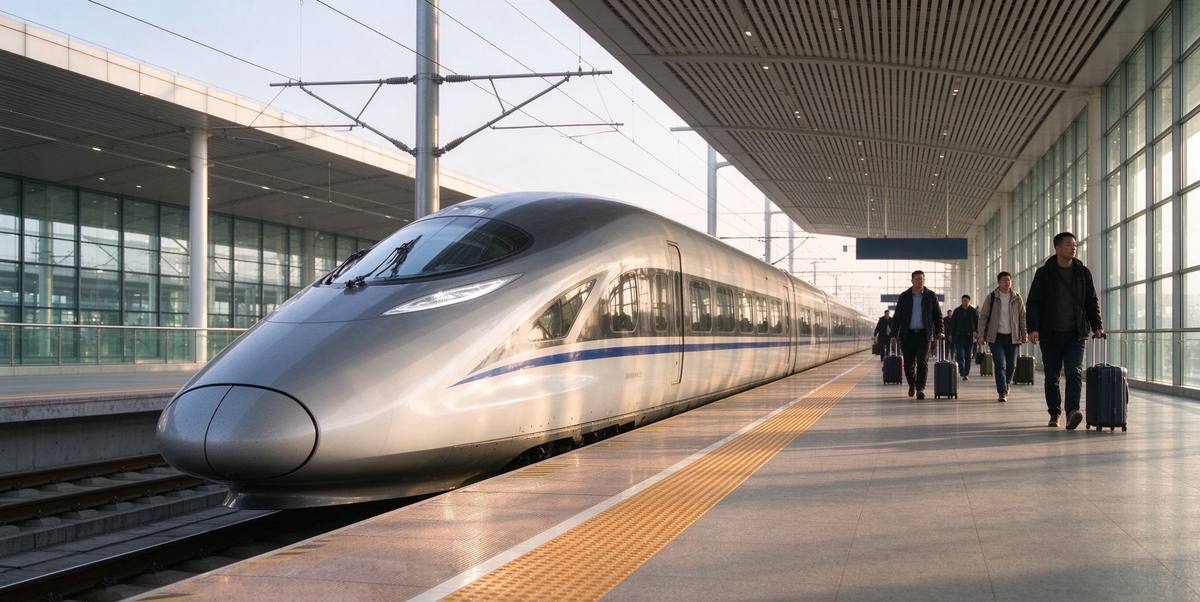
2. The passport name trap
Every ticket is tied to your passport number, and the name on the booking must match your passport exactly. If your passport says "JOHN ALLEN SMITH", do not book "John Smith" — the system may reject it at the gate. When you book with Trip.com, copy the passport MRZ line word for word. You cannot transfer a ticket to another person, so double-check before you pay.
【中文】每张票都绑你的护照号,预订姓名必须和护照完全一致。护照写"JOHN ALLEN SMITH",就别订成"John Smith"——闸机可能直接拒你。用Trip.com订票时,照着护照机读码逐字抄。票不能转给别人,付款前务必核对。Travelling with friends? You can book all seats in one order, but each passenger needs their own passport number typed in. Group names are matched individually at the gate — a single ticket for "the Smith family" does not exist, even if you all sit together. Build the passenger list once in the Trip.com app under "travellers" and reuse it for every subsequent booking; it saves retyping eight passport numbers on your next trip.
【中文】和朋友一起?一个订单可以买多票,但每个乘客都要单独填护照号。闸机按人核对——"史密斯一家"这种团体票不存在,哪怕你们坐一起。在Trip.com App的"出行人"里建一次名单,以后每次订票直接复用,省得下次再手输八本护照号。3. G trains vs D trains, and what the seats cost
G-trains are the 300–350 km/h bullet trains; D-trains are slower (200–250 km/h) and cheaper, and often run overnight as sleepers. For a day trip between big cities, always pick G. Fares are now dynamic: the same Beijing–Shanghai second-class seat can cost anything from ¥498 to ¥794 depending on demand (the published cap was raised 20% on 26 May 2026). Book midweek, off-hours and ahead and you pay the low end.
【中文】G字头是300–350公里/小时的高铁;D字头慢一些(200–250)、更便宜,常做夜间动卧。大城市间白天出行一律选G。票价现在是浮动的:同一张京沪二等座,旺季能到¥794、淡季低至¥498(公布票价上限2026年5月26日起上浮20%)。选周中、非高峰、提前订,就买得到低价。| Route 【中文】线路 | 2nd class 【二等座】 | 1st class 【一等座】 | Time 【用时】 |
|---|---|---|---|
| Beijing – Shanghai 【京沪】 | ¥498–794 【约$70–110】 | ¥900–1,100 | 4.5–6 h 【4.5–6小时】 |
| Beijing – Xi'an 【京西】 | ¥470–548 【约$65–76】 | ¥753–876 | 4.5–6 h 【4.5–6小时】 |
| Shanghai – Hangzhou 【沪杭】 | ¥73–87 【约$10–12】 | ¥117 | 45–60 min 【45–60分钟】 |
| Business class (Beijing–Shanghai) 【商务座】 | ~¥1,750–2,300, lie-flat seats 【可躺平】 | Same 【同时长】 | |
Is first class worth it? On a 4.5-hour Beijing–Shanghai run, yes for comfort — wider seats, fewer people, better tables. On a 45-minute Shanghai–Hangzhou hop, second class is totally fine and saves you ¥30–45. Business class is a real product (private cabin, reclining seat, meal) but at triple the price it is a splurge, not a necessity.
【中文】一等座值不值?4.5小时的京沪线,值——座位宽、人少、桌子舒服。45分钟的沪杭短途,二等完全够,还省¥30–45。商务座是真产品(小包厢、可躺平、供餐),但三倍票价,属于犒赏自己,不是刚需。Onboard, every G-train seat has a power outlet and a folding table; the seats are a roomy 3+2 in second class and 2+2 in first. A trolley sells boxed meals, snacks and hot drinks for ¥30–60, and you can bring your own food through security. If you are covering a huge distance at night (for example Shanghai to Guangzhou), book a D-train sleeper — a flat bed for about the price of a business flight, and you wake up in the other city.
【中文】车上每排都有电源插座和小桌板;二等座3+2布局、一等座2+2。小推车卖¥30–60的盒饭、零食和热饮,你自己的吃的过了安检也能带上车。如果夜间要跨很远(比如上海到广州),订D字头动卧——一张能躺的铺位约等于商务机票钱,睡醒就到另一座城。When you pick your seat on Trip.com: a window gives you the Qinghai-style farmland and mountain views on the longer runs; an aisle wins if you need to stretch your legs often. Trains reverse direction halfway on many routes, so "facing forward" is not really a thing — do not stress about it. Families with a small child will love the space between the seat rows; light sleepers should know Chinese families talk loudly, and earplugs help on a four-hour Beijing–Xi'an run.
【中文】Trip.com选座时:长途坐靠窗能看窗外田野山景;常伸腿就靠过道。很多车半路换向,"朝前坐"其实不存在——别纠结。带小孩的家庭会喜欢排距;浅眠的人要知道中国家庭说话响,北京西安四小时车程,耳塞有用。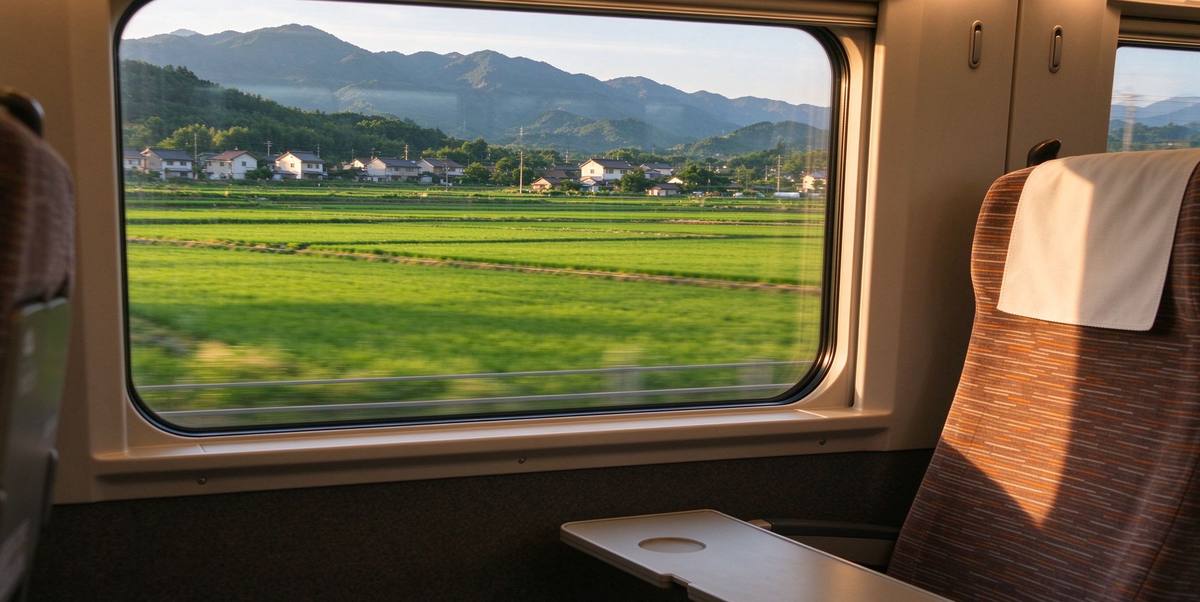
4. At the station: kiosks, windows and boarding
If you book at the station: use the staffed window (人工窗口), not the self-service machine — most machines still do not read foreign passports reliably. Show your passport, name the train and seat class, pay by card or phone. Arrive at least 45–60 minutes early: big stations like Beijing South are huge, security takes time, and the right platform is a 10-minute walk. To board, just scan your passport at the gate — no paper ticket needed.
【中文】到站买票:去人工窗口,别用自助机——多数自助机读外国护照不稳定。出示护照,说车次和座别,刷卡或扫码付。至少提前45–60分钟到:北京南这种大站很大,安检要时间,走到站台还要10分钟。进站直接刷护照闸机——不用纸票。Once through security, follow the big LED boards to your waiting hall (候车区) — your ticket confirmation email tells you the train number (like G123) and seat. About 15 minutes before departure, the screen at your waiting gate flips to "now boarding"; walk down the escalator to the platform, match your car number (车厢号) on the side of the train, and hop in. The whole process looks chaotic but works like clockwork.
【中文】过安检后跟着大屏去候车区——确认邮件里有车次(如G123)和座位。开车前15分钟左右,你那个检票口的屏幕翻成"开始检票",下扶梯到站台,对着车身侧面的车厢号上车。整个流程看着乱,其实走得很顺。You will never need a paper ticket. The e-ticket lives on your passport — that is literally the ticket. Keep your phone switched on for the confirmation email, but even if your battery dies, scanning your passport at the gate and showing it to the conductor gets you on the train and to your seat. First-time riders are always surprised how seamlessly the whole system treats your passport as the ticket.
【中文】你永远不需要纸票。电子票绑在你护照上——护照就是票。手机留着确认邮件,但就算手机没电,闸机刷护照、车上给列车员看护照,照样上车找座。第一次坐的人总惊讶这套系统把护照当票用得如此丝滑。Ad slot — Media.net / Google AdSense
【中文】广告位:流量起来后这里投放海外广告(Media.net/AdSense),与正文明显区分
5. Changing or cancelling — what it costs you
Rail refunds are tiered by how late you cancel. More than 8 days before departure: full refund. 48 hours–8 days: a small fee (~5%). 24–48 hours: ~10%. Inside 24 hours: ~20%. Missing the train entirely, you can still change to a later one on the same day for a fee, but the fare is largely forfeited. Changing your date is cheaper than cancelling and rebooking — always try a change first.
【中文】退票按时间分档:开车8天以上全退;48小时–8天收约5%;24–48小时约10%;24小时内约20%。完全没赶上,当天还能补签后面车次、收手续费,但票款大部分不退。改签比退票重订便宜——先试着改签。One booking trap: big cities have multiple stations. "Beijing" trains can leave from Beijing South (main HSR station), Beijing West or Beijing North; "Shanghai" means Hongqiao for almost all high-speed rail, not Pudong. When you book, double-check the full station name on your ticket — turning up at the wrong station costs you the journey. Subway signs and English Trip.com labels make the right station obvious, but it is the #1 newcomer mistake.
【中文】订票一个坑:大城市有好几个站。"北京"的车可能从北京南(高铁主站)、北京西或北京北发车;"上海"的高铁几乎都在虹桥,不是浦东。订票时核对票上的完整站名——跑错站这趟就废了。地铁标识和Trip.com英文标签都标得很清楚,但这仍是新手最常犯的错。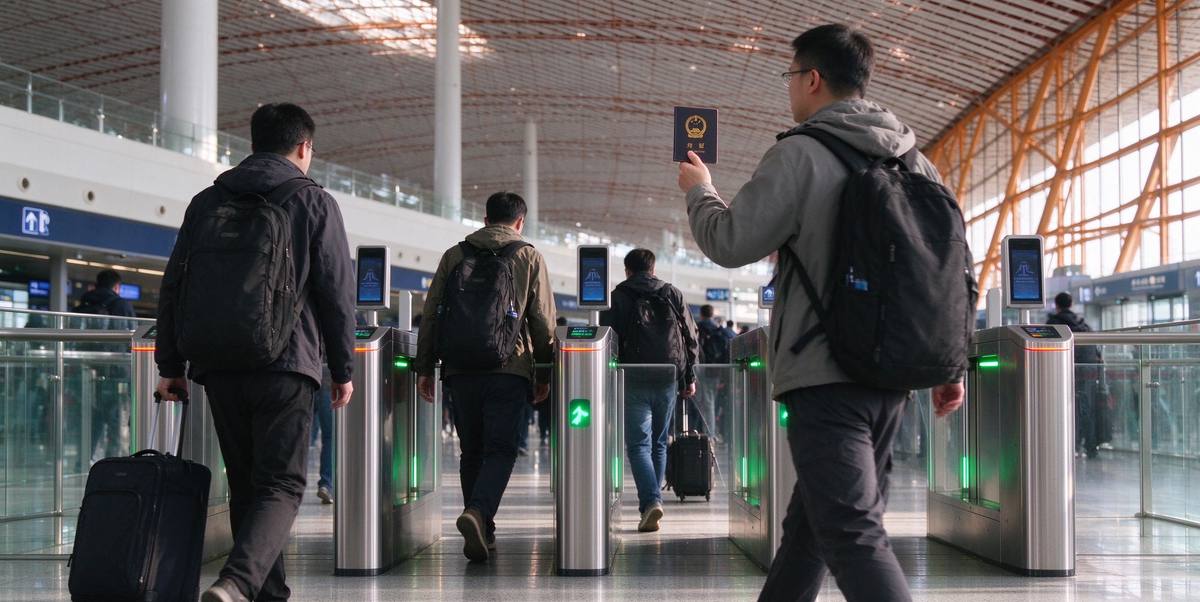
Bottom line
For intercity travel in China, the train beats the plane on city-centre-to-city-centre convenience and price. Book on Trip.com with your passport a few days out, take the G train in second class for short hops or first class for long ones, scan your passport at the gate, and show up an hour early. Done right, it is the smoothest way to move around the country.
【中文】在中国城际出行,高铁在"市中心到市中心"的便利和价格上都胜过飞机。提前几天用护照在Trip.com订票,短途坐二等、长途升一等,到站刷护照,提前一小时到。做对了,它就是这个国家里最顺畅的移动方式。One last framing: on a Beijing–Shanghai trip, flying looks fast until you add the two-hour early arrival at Pudong or Daxing, the airport-to-city-centre transfer at both ends, and the ¥150 taxi at each side. The high-speed train leaves from stations right in the middle of both cities and walks you out at the destination city centre. For 1,200 km or less, rail wins on total door-to-door time almost every time.
【中文】最后一个算账方式:京沪线看着飞机快,但你加上两端各提前两小时到机场、两头机场进城的接驳、再加上两头各¥150打车——高铁从两座城市市中心发车,到站也是市中心。1200公里以内,门到门总时间高铁几乎次次赢。