
Three yuan. That is what it costs to cross six kilometres of Beijing underground — about 40 US cents for a ride that would set you back five or six dollars in New York or London. I still remember the first time I tapped through a Chinese metro gate with a QR code from my phone: the green light blinked, the gate sighed open, and I thought, this is the most tourist-friendly public transport system in the world — if you know the one trick. The trick is that you don't buy tickets. You scan. Here is how urban transport in China actually works in 2026, with prices I paid and verified against official sources, so you can move around Beijing, Shanghai or any big city without a single conversation at a ticket window.
【中文】三块钱。这就是穿越北京地下六公里的价格——大约40美分,换成纽约或伦敦得花五六美元。我还记得第一次用手机二维码通过中国地铁闸机:绿灯闪烁,闸门"哗"地打开,我心想——这是全世界最对游客友好的公共交通系统,只要你知道那个诀窍。诀窍就是:你不买票,你扫码。下面是2026年中国城市交通的真实运作方式,价格全部是我实际支付并与官方来源核对过的,让你在北京、上海或任何大城市自由穿行,全程不用跟售票窗口说一句话。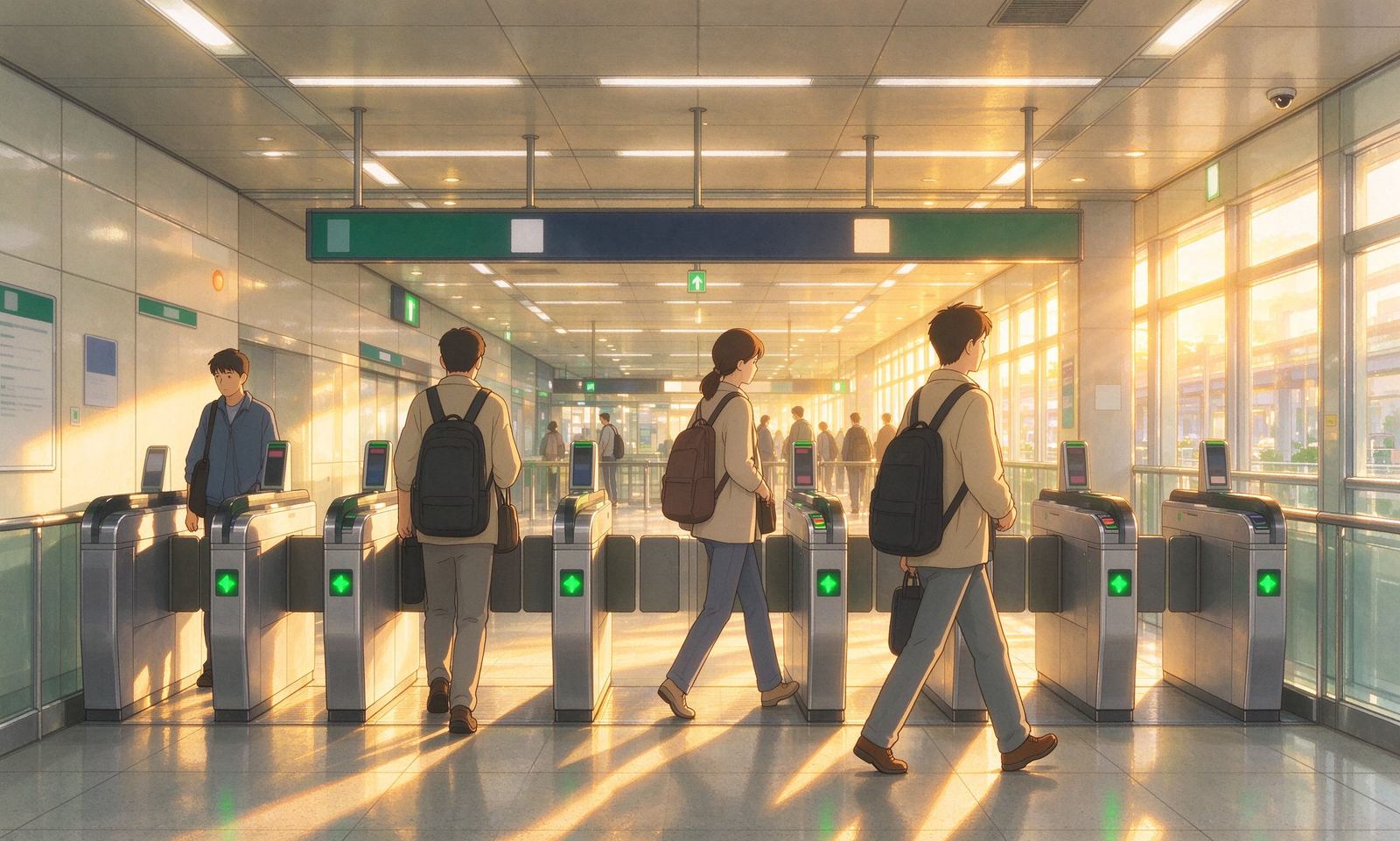 Book this →
1. The Metro: a Fare Table You Can Memorise in One Minute
Every Chinese city with more than a few million people has a metro now, and they all share the same logic: you pay by distance, the base fare is tiny, and the whole system runs on your phone. Beijing is the benchmark. Since December 2014 the city has used a distance-based ladder: ¥3 for up to 6 km, ¥4 for 6–12 km, ¥5 for 12–22 km, ¥6 for 22–32 km, then one extra yuan per 20 km after that (source: Beijing municipal pricing, reported by People's Daily and Xinhua). A ride from the airport line junction to the Forbidden City — roughly 15 km — costs ¥5. A cross-city journey of 35 km costs ¥7. Buses start at ¥2, and you can hop on with the same QR code.
【中文】现在中国几百万人口以上的城市基本都有地铁,而且逻辑全都一样:按距离计价、起步价极低、全程靠手机。北京是基准。自2014年12月起北京实行里程分段计价:6公里内3元,6-12公里4元,12-22公里5元,22-32公里6元,32公里以上每20公里加1元(来源:北京市定价口径,人民网/新华网报道)。从机场线换乘点到故宫约15公里,票价5元;横穿城市35公里是7元。公交车2元起步,同一个乘车码就能上。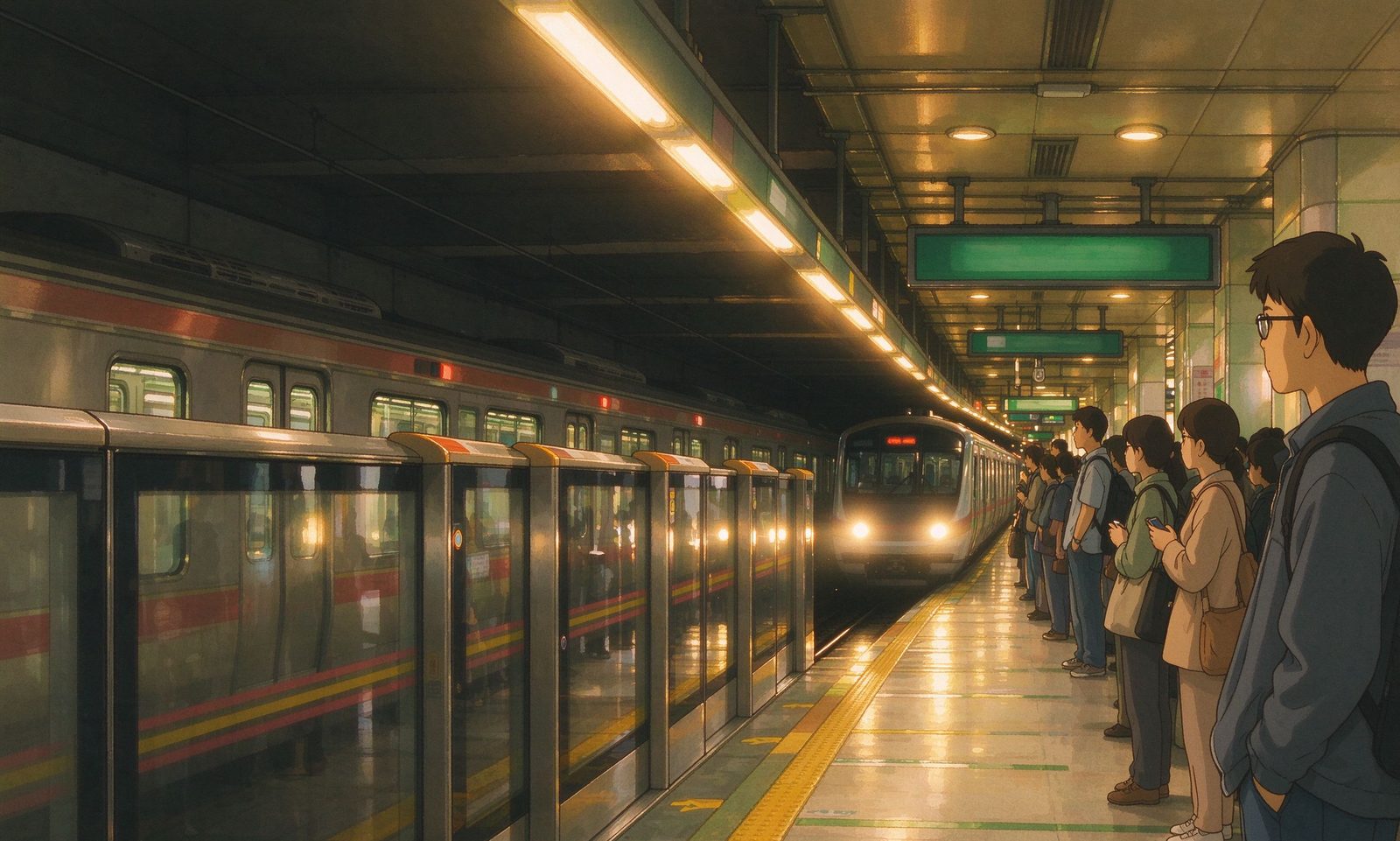 Book this →
Shanghai is the one big caveat worth knowing about. Its fares still run on the 2005 scheme — ¥3 to start — which means a 30-year-old pricing system in the country's most expensive city. In August 2026 the city finally opened the first fare review in 21 years with a public hearing: Plan A keeps the ¥3 start but shortens the first distance band from 6 km to 4 km and adjusts the steps that follow (4/4/4/7/7/7/10/10/10 km, then +¥1 per 15 km above 67 km); Plan B starts at ¥4. The average fare per ride would rise from about ¥4.23 to around ¥5.22 under Plan A (sources: People's Daily Shanghai, Guangming Online, CNR, Aug 2026). Nothing has been decided yet — fares in Shanghai are, for now, unchanged — but it tells you the era of ¥3 metro rides everywhere is ending. Enjoy it while it lasts.
【中文】上海是值得知道的一个大例外。它的票价至今沿用2005年方案——起步3元——也就是说,中国最贵城市还在用30年前的定价体系。2026年8月,上海终于就21年来首次票价调整召开听证会:方案一起步价保持3元、但起乘间距由6公里缩短为4公里,之后按4/4/4/7/7/7/10/10/10公里梯次计价,67公里以上每15公里加1元;方案二起步4元。按方案一,平均每人次票价将从约4.23元升至约5.22元(来源:人民网上海/光明网/央广网,2026年8月)。目前尚未定案——上海票价暂时未变——但这说明"哪都3元坐地铁"的时代正在结束。且坐且珍惜。Inside the carriage it is quietly pleasant: air-conditioned, spotless, with a bilingual electronic route map above the doors and a voice that announces every stop in Mandarin and English. Trains come every two to five minutes in the city centre, so you never wait long. If you are carrying a suitcase, the ends of each car have luggage racks, and the wide gates let even a 28-inch case through easily outside rush hour.
【中文】车厢里安静舒适:有空调、一尘不染,车门上方是双语电子线路图,每个站用中文和英文各报一遍。市中心地铁2-5分钟一班,几乎不用等。带行李箱的话注意:每节车厢两端有行李架,宽闸机在非高峰时段过28寸箱子也轻松。 Book this →
2. Your Phone Is the Ticket: QR Codes and Foreign Cards
Here is the part that surprises most first-timers: you do not need a transport card, a ticket machine, or even a Chinese bank account. Download Alipay (and, optionally, WeChat), register with your home phone number, and bind a Visa, Mastercard, JCB, Diners Club or Discover card. Open the "Transport" section inside Alipay, pick your city, and a transit QR code appears. Hold it over the scanner on the gate and walk through; the fare is deducted automatically from your foreign card. This has worked in Hangzhou since the Asian Games in 2023, and it is now standard across all major cities. Amex was added to the lineup in early 2025, so even American Express users are covered (source: Beijing Daily).
【中文】最让头回客吃惊的是:你不需要交通卡、售票机,甚至不需要中国银行账户。下载支付宝(可选微信),用本国手机号注册,绑定一张Visa、万事达、JCB、大来或发现卡。打开支付宝里的"出行"栏目,选择城市,一张公共交通乘车码就出现了。对着闸机扫描口刷一下走进去,车费自动从你的境外卡扣款。这个功能2023年亚运会期间在杭州已经跑通,如今全国大城市都是标配。美国运通2025年初也加入了阵营,用运通卡的人同样能刷(来源:北京日报)。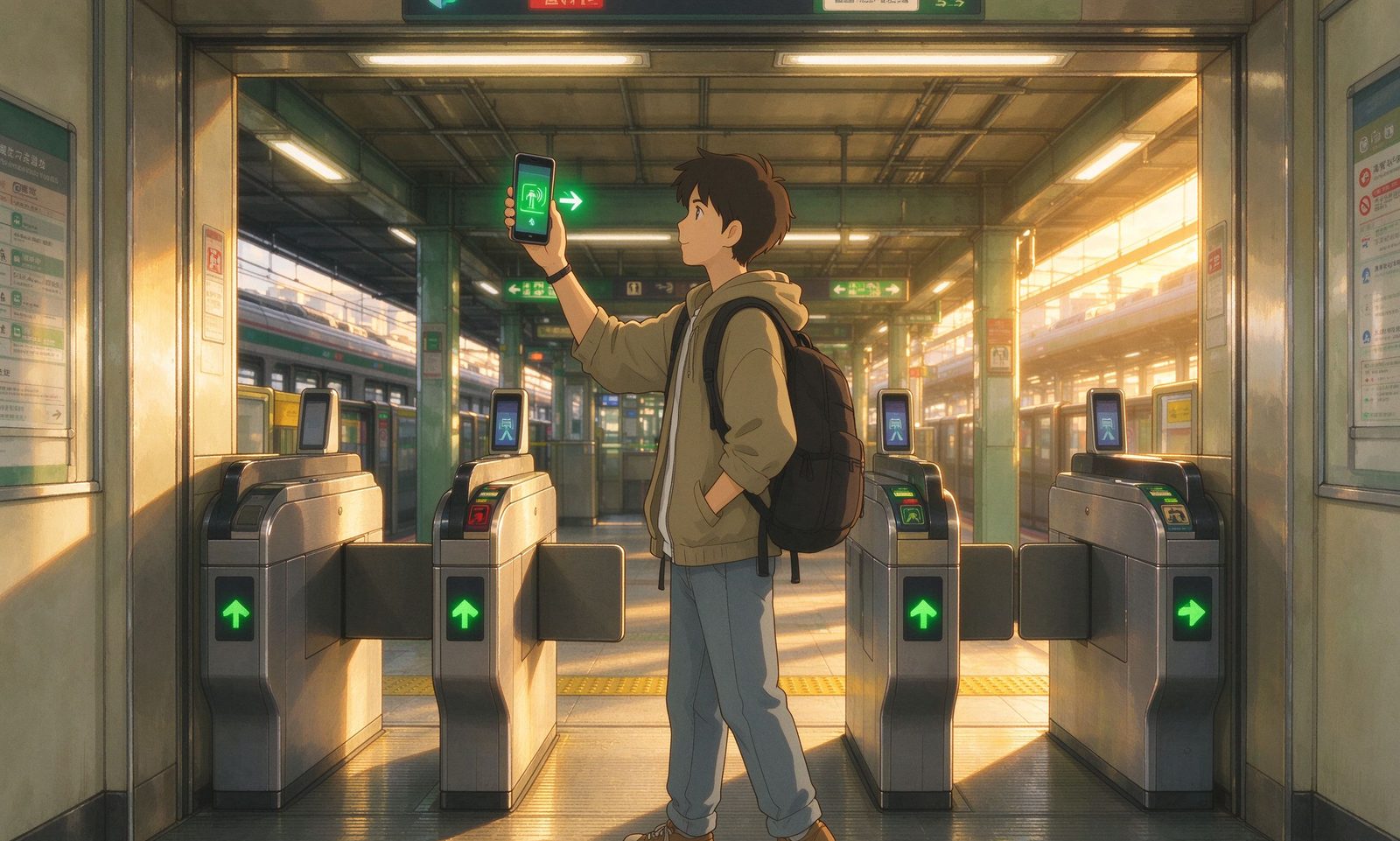 Book this →
The catch is obvious: you need mobile data to make any of this work. Buy an eSIM before you land (Airalo or a Klook China eSIM both work), or pick up a physical SIM at the airport. Without a connection, the QR code is just a dead image on your screen — and ticket machines that take foreign cash are getting rarer every year. Budget about US$5–10 for a week of data; it pays for itself the first time you avoid a ticket-window queue.
【中文】显而易见的前提:这一切都需要移动网络。落地前先买好eSIM(Airalo或Klook的中国eSIM都行),或者在机场买实体卡。没网的话,乘车码就是屏幕上的一张死图——而且收外币现金的售票机一年比一年少。一周流量大约5-10美元,第一次避开售票窗口排队就值回票价。And the good news is getting better. If QR codes still feel like a fuss, several cities have gone one step further: in June 2026 Chengdu metro announced that all six major foreign card networks — Visa, Mastercard, Amex, Diners and Discover — can now tap directly on the gates, no phone required (source: Guangming Online). Guangzhou did the same for its roughly 400 stations during the 2026 Canton Fair, and Shanghai's public transport card company has been running a full foreigner-friendly tap-and-go system across metro, bus and ferry since 2024. Beijing is catching up city by city. The direction of travel is clear: China is quietly turning its transit gates into Visa terminals.
【中文】好消息还在升级。如果觉得扫码还是麻烦,有几座城市已经更进一步:2026年6月,成都地铁宣布六大境外卡组织——Visa、万事达、运通、大来、发现——可以直接在闸机上拍卡过闸,连手机都不用(来源:光明网)。广州在2026年广交会期间也开放了全线近400座地铁站外卡拍卡,上海公共交通卡公司从2024年起就在地铁、公交、轮渡跑完整的外籍拍卡体系。北京也在逐个城市跟进。方向很清楚:中国正在把地铁闸机悄悄变成Visa终端。3. Buses, Ferries and Shared Bikes: the Second and Third Rings
The metro covers the trunk routes; the bus network fills every gap between them. Fares are flat and cheap — ¥2 to start in most cities — and the same Alipay QR code works. Buses are where you see the real city: grandmothers with shopping trolleys, students asleep against windows, the smell of street food drifting in at every stop. On routes that hug the river or the coast, the bus is genuinely the best seat in town.
【中文】地铁覆盖主干,公交网填满它们之间的一切缝隙。票价统一且便宜——多数城市2元起步——同一个支付宝乘车码就能用。公交车才是看到真实城市的地方:拖着小购物车的大妈、靠着车窗睡着的学生、每一站飘进来的街头小吃味。沿着江边或海岸的线路,公交车就是全城最好的座位。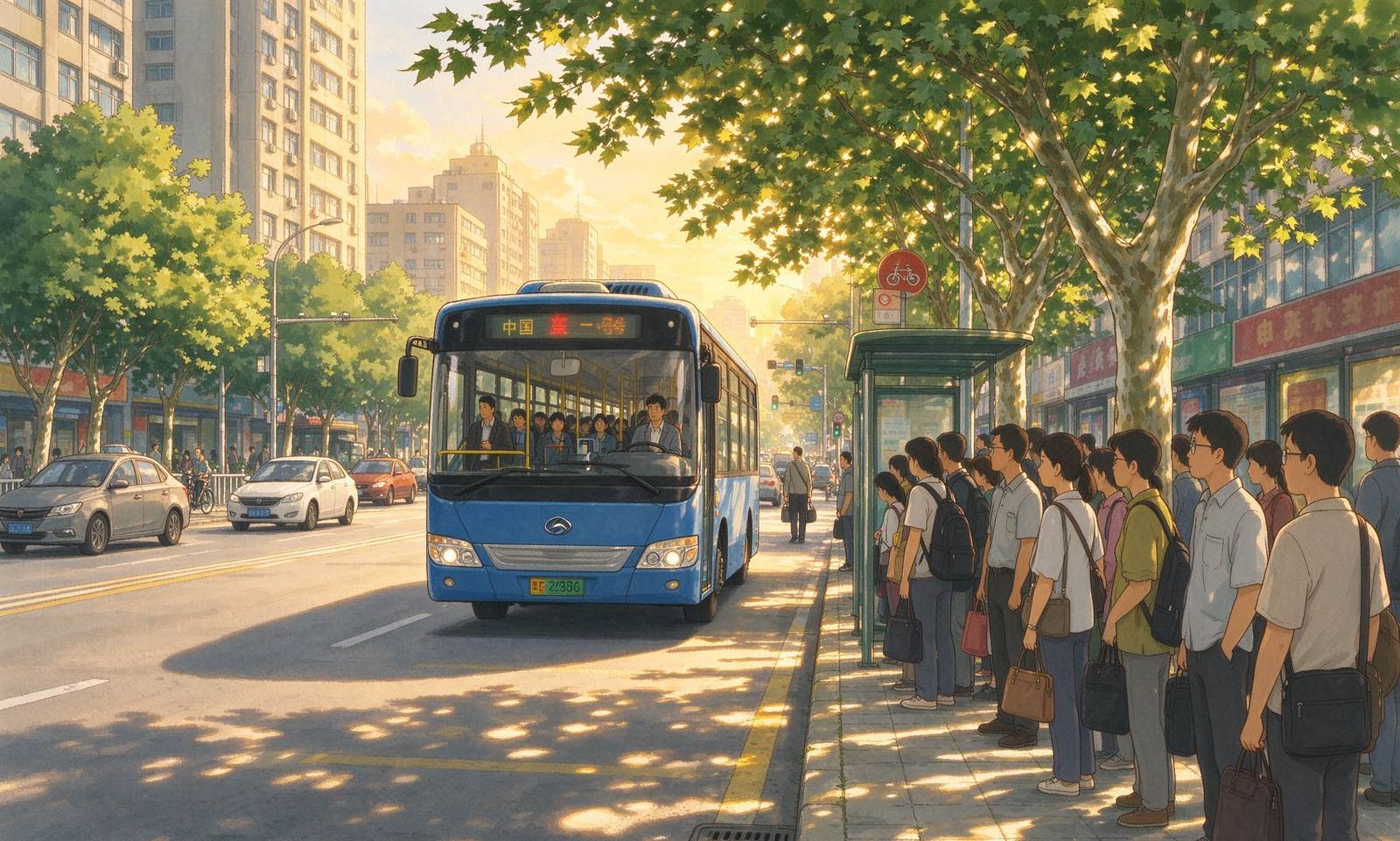 Book this →
For the last kilometre, shared bikes are everywhere and absurdly cheap — for now. Beijing's three big operators (Meituan, Hello, Qingju) all raised their base price in June 2026: Meituan now charges ¥1.88 for the first 60 minutes, Hello and Qingju ¥1.99, with ¥0.10 per extra minute after that (sources: People's Daily, Jiemian, June–July 2026). An hour of cycling around a hutong district costs about the same as a bottle of water. You unlock with the same Alipay or WeChat you already installed — scan the QR code on the frame, and the bike unlocks with a click. Ride it along a river embankment at dusk and you will understand why locals choose two wheels over the metro.
【中文】最后一公里,共享单车遍地都是,而且便宜得离谱——至少现在是这样。北京三大运营商(美团、哈啰、青桔)2026年6月集体涨价:美团1.88元/60分钟,哈啰和青桔1.99元/60分钟,超出后每分钟0.1元(来源:人民日报、界面新闻,2026年6-7月)。在胡同区骑一小时车的钱,跟买一瓶水差不多。解锁用的还是你已经装好的支付宝或微信——扫车架上的二维码,"咔哒"一声就开锁。黄昏沿着河堤骑一段,你就明白为什么本地人宁可骑车也不坐地铁。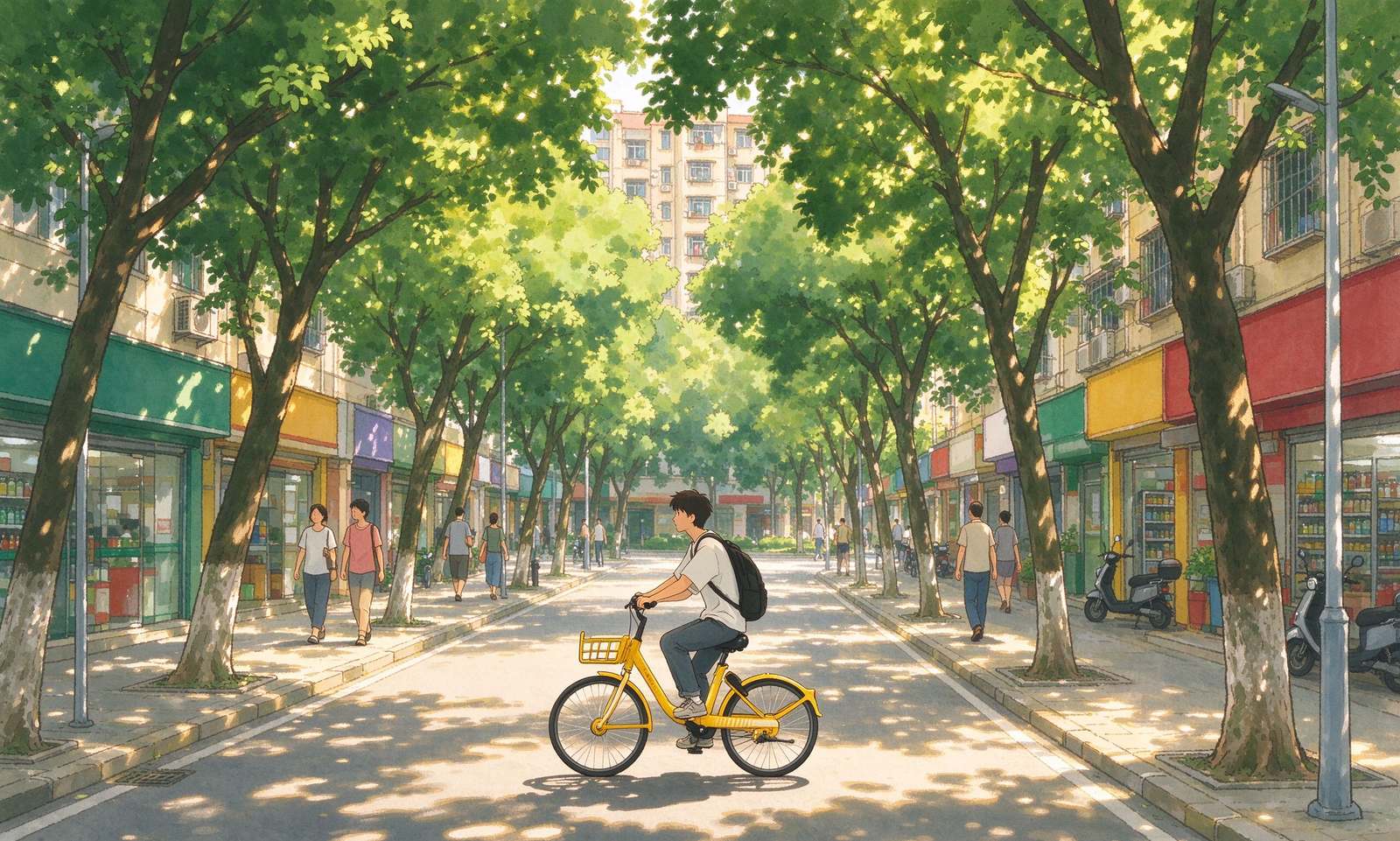 Book this →
4. From Airport or Station to Your Hotel, Without Panic
Your first hour in China is the one that makes or breaks the trip, so let me be specific. Most airports and high-speed rail stations now sit at the end of a metro or airport express line — Beijing Daxing to the city centre is ¥35 on the express and about ¥10 on the regular metro; Shanghai Pudong to Lujiazui is roughly ¥7–10 by metro. The signs in airports and stations are bilingual, and the Alipay QR code works on every line. If your flight lands after 23:00 or you have three suitcases, a pre-booked airport transfer is cheaper than you think and removes the only genuinely stressful part of the day.
【中文】在中国落地后的第一个小时决定整趟旅程的成败,所以我说具体点。大多数机场和高铁站现在都接在地铁或机场快线末端——北京大兴机场线到市中心35元、普通地铁约10元;上海浦东到陆家嘴地铁约7-10元。机场和车站的指示牌是双语的,支付宝乘车码全线通用。如果你的航班23点后落地,或者你拖着三个箱子,提前订好的机场接送其实比想象中便宜,而且能消掉全天唯一真正紧张的部分。5. What Tourists Get Wrong (and I Did Too)
First: you do not need to buy a physical ticket anywhere. I wasted ten minutes in a Shanghai station once hunting for a ticket machine before a local waved me at the gate and said "scan, just scan." Second: rush hour is real — 7:30–9:00 and 17:30–19:30 on weekdays, and you will be a sardine. Take the same line at 10:00 and it is half empty. Third: check the last train. Beijing, Shanghai and most systems run until roughly 23:00–23:30; the last trains are announced in both languages. Fourth: if your Alipay transit code shows a red error, the fix is almost always network — toggle airplane mode on and off before you panic. Fifth: don't overpay for taxis. Didi (the Chinese Uber) is cheaper than hailing one on the street, and its interface has an English mode. The metro stays king for anything under an hour.
【中文】第一:任何地方都不需要买实体票。我曾经在上海某个车站花十分钟找售票机,最后一位本地人把我领到闸机前说:"扫,直接扫。"第二:高峰期是真实的——工作日7:30-9:00和17:30-19:30,你会变成沙丁鱼;同样的线路10点再坐,空一半。第三:看清末班车。北京、上海等大部分系统运营到23:00-23:30左右,末班车双语播报。第四:如果支付宝乘车码报红色错误,几乎总是网络问题——先开关飞行模式再慌。第五:别被出租车宰。滴滴(中国的Uber)比路边招手便宜,界面有英文模式。一小时以内的路程,地铁永远称王。6. The ¥3 Summary
| Mode | 2026 real price |
|---|---|
| Beijing metro (base) | ¥3 for 6 km; ¥4 for 6–12 km; ¥5 for 12–22 km; +¥1 per 20 km after 32 km |
| Beijing bus | ¥2 to start, distance-based after |
| Shanghai metro | ¥3 to start (2005 scheme, under 2026 review — unchanged for now) |
| Shared bikes (Beijing) | ¥1.88–1.99 per 60 minutes, +¥0.10/min after |
| Airport express (Daxing→city) | ¥35 express / ~¥10 metro |
| Foreign card tap (Chengdu/Guangzhou) | Visa/MC/Amex/Diners/Discover direct on gates |
China's cities are big, but they are not expensive to move around — if you use the system the way locals do. Install Alipay, bind a foreign card, buy an eSIM before you fly, and the metro becomes the cheapest, most comfortable way to see everything. Three yuan for six kilometres. I still cannot get over it.
【中文】中国城市很大,但移动起来并不贵——前提是你用本地人的方式。装好支付宝、绑定境外卡、起飞前买好eSIM,地铁就是看遍全城最便宜也最舒服的方式。三块钱六公里。到现在我都还没缓过来。 Book this →