
The stair in front of me was the 6,000th of the night, and my headlamp had already dimmed to a candle. Somewhere above, a chain of orange dots wobbled upward — other climbers, all of us doing the same ridiculous thing: starting at 11pm from the Red Gate so we could stand on a bare rock at 1,545 metres and watch the sun come up over Shandong. Mount Tai is not the tallest of China's five sacred mountains — it is 1,545 m, barely half of Huangshan — but it has been climbed by emperors for 2,000 years, and about ¥115 buys you three days of access, including the temple at the foot of the mountain. This is the honest version of that climb: which of the four routes to take, what the cable cars and buses actually cost, where the money leaks, and why the smartest itinerary is two days, not one.
【中文】夜里爬了六千级台阶,头灯已经暗得像根蜡烛。上面一串橙色光点晃晃悠悠往上——都是干同一件傻事的登山者:晚上11点从红门出发,就为了在1545米的裸岩上看太阳从山东大地上升起来。泰山不是五岳最高(1545米,不到黄山一半),但两千年来皇帝都来爬,¥115 买三天进山权,还包含山脚下的岱庙。下面是这段爬山的诚实版:四条线路怎么选、索道和大巴到底多少钱、钱漏在哪、以及为什么最聪明的安排是两天而不是一天。 Book this →
1. What the ticket actually includes (and what it doesn't)
The headline number is simple: peak season (1 April – 30 November) ¥115; off-season (1 December – 31 March) ¥100. Two details matter more than the price. First, the ticket is valid for three days with multiple entries — so a night climb plus a lazy second-day stroll costs the same as one rushed visit. Second, it includes Dai Temple (岱庙) at the foot of the mountain, the Song-dynasty complex where emperors performed the sacrifices before climbing. Most visitors skip it and regret it; it is the only place that explains why this rock is sacred rather than merely steep.
【中文】票价很简单:旺季(4月1日–11月30日)¥115;淡季(12月1日–3月31日)¥100。有两个细节比价格更重要:一是票三天有效、可多次进出——夜爬加第二天悠闲散步,和匆匆一次同价;二是含山脚下的岱庙,宋代建筑群,皇帝登山前在此祭祀。多数游客跳过它然后后悔——这是唯一能解释这块石头为何神圣、而不只是陡的地方。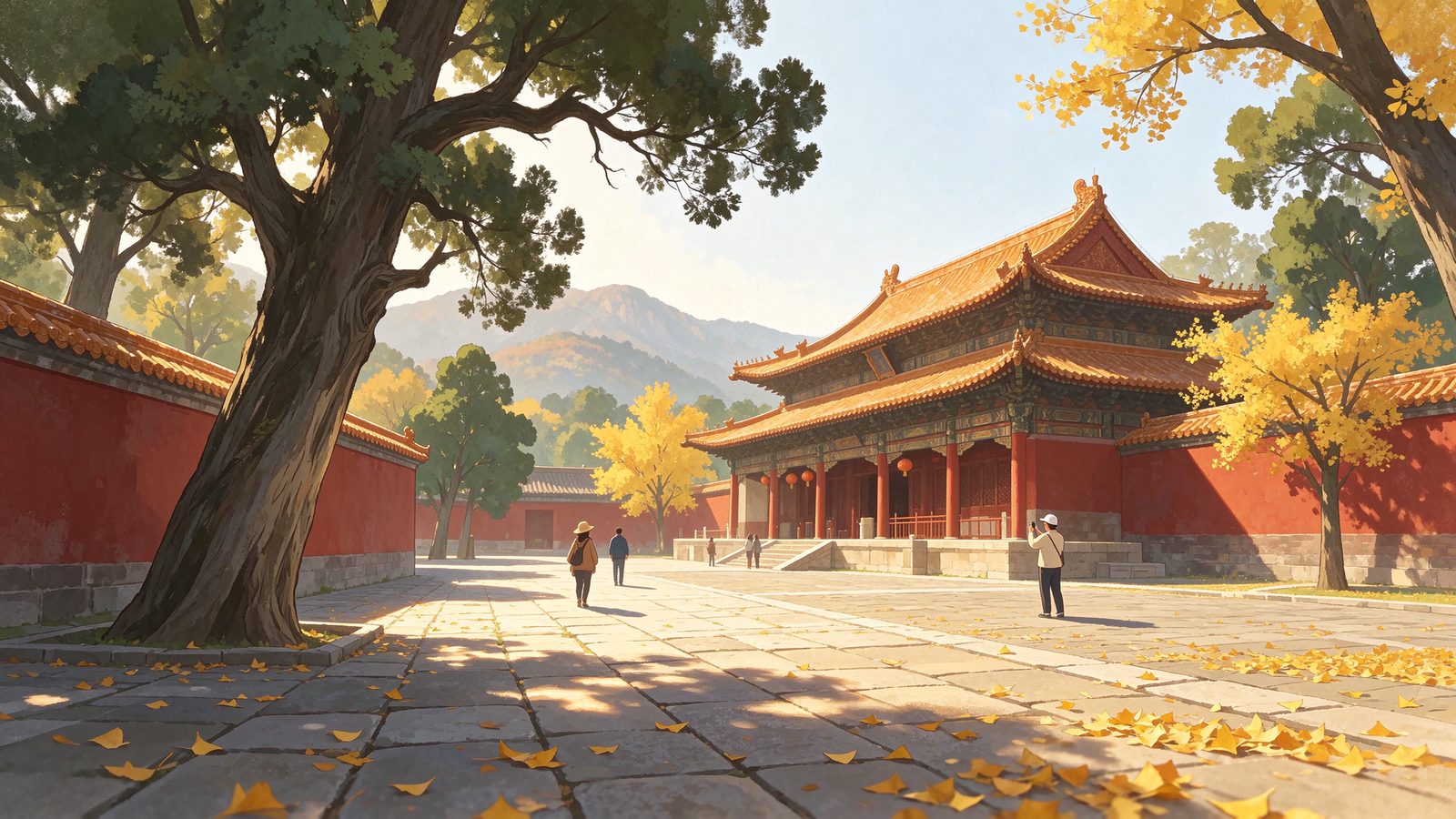 Book this →
2. Four routes up — pick by how much your knees are worth
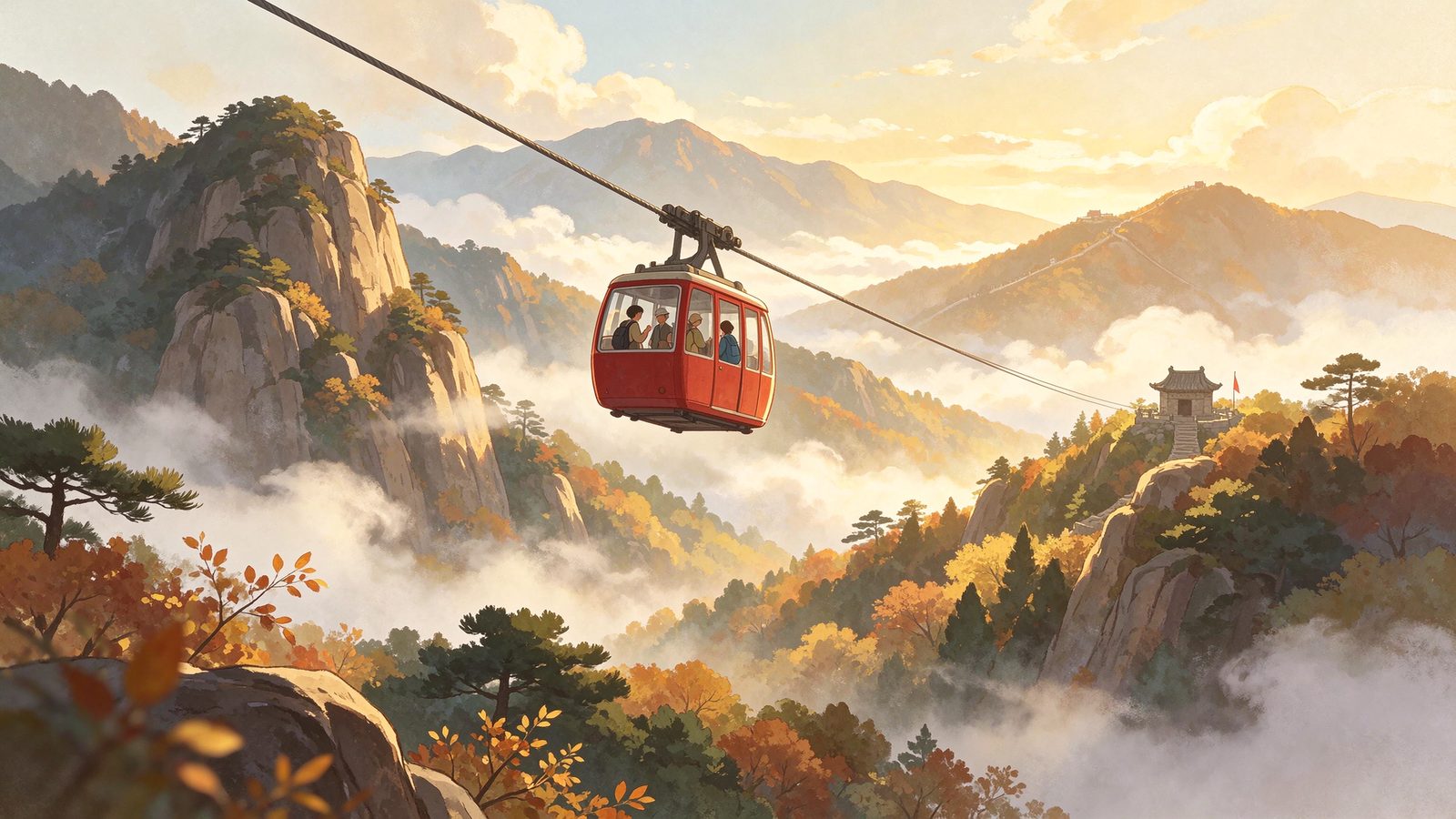
Mount Tai has four working approaches, and the choice decides your whole day. Hongmen (红门) is the classic: 6,000+ stone steps from the trailhead to the summit, roughly 4–6 hours at a walking pace, no bus, no cable. It is the route the emperors took, and the one you take if you want the climb to mean something. Tianwaicun (天外村) is the shortcut: a 30-minute bus up the mountain road (¥40) to Zhongtianmen (中天门), then a 15-minute cable car (¥100 one-way) to the ridge — under an hour from ticket gate to summit, which is how most domestic tour groups do it. Taohuayu (桃花峪) on the western flank is the quiet one: bus ¥40 up to the Taohuayuan cable car (¥100), best if you are driving or coming back for a second visit. Houshiwu (后石坞) is the least-used and most scenic for rock formations, and the least convenient — the cable there runs 8:00–16:30 only.
【中文】泰山四条常用线路,选哪条决定你一整天。红门是经典:从登山口到山顶6000多级石阶,按步行速度约4–6小时,无车无索道——皇帝走的就是这条,想让"爬"有意义就走它。天外村是捷径:盘山公路30分钟大巴(¥40)到中天门,再15分钟索道(单程¥100)上到山脊——从检票口到山顶不到一小时,国内旅行团大多这么走。桃花峪在西麓最清静:¥40大巴到桃花源索道(¥100),适合自驾或二刷。后石坞人最少、石景最好,也最不方便——索道只开8:00–16:30。| Route | Time to summit | Extra cost |
|---|---|---|
| Hongmen (红门) on foot | 4–6 h | ¥0 (ticket only) |
| Tianwaicun bus + Zhongtianmen cable | ~1 h | ¥40 + ¥100 |
| Taohuayu bus + Taohuayuan cable | ~1 h | ¥40 + ¥100 |
| Houshiwu cable (8:00–16:30) | ~1 h | ¥100 |
 Book this →
3. The night climb: 18 Pan, timing and the cold nobody mentions
The sunrise crowd starts climbing between 10pm and midnight, and the reason is arithmetic: from Hongmen, the last stretch — the Eighteen Bends (十八盘), a staircase so steep it looks like a wall with steps drawn on it — takes 3.5–5 hours at night pace. Get it wrong and you either arrive at 3am and freeze for three hours, or you arrive after the sun. My schedule, which worked: gate at 11pm, slow and steady with a 10-minute stop every hour, summit around 5am, then 90 minutes of shivering in a rented military coat (¥20–30 at the top) before the sky went orange just after 6:50. November sunrise here is roughly 6:45–7:05 — check the day before, and note the summit is 10–12 °C colder than the city below, with wind that makes it feel worse. Two practical rules: bring a headlamp with spare batteries (phone torches die at −5 °C), and reserve your ticket on the official WeChat account in advance — real-name booking, ID or passport scan at the gate; walk-ups on holiday weekends are a gamble.
【中文】看日出的人10点到午夜开始爬,原因是算术:从红门出发,最后一段十八盘陡得像画了台阶的墙,夜间配速要走3.5–5小时。算错时间,要么3点登顶冻三小时,要么太阳出来才到。我这条时间线有效:11点检票、慢而稳、每小时歇10分钟、5点左右登顶,然后在山顶租的军大衣里抖90分钟(山上¥20–30),6点50分后天色才转橙。11月日出大约6:45–7:05,提前一天核实;山顶比山下冷10–12°C,加上风更难受。两条实用规矩:头灯带备用电池(手机电筒在零下5度会罢工);提前在官方公众号实名预约、刷身份证或护照入园;节假日周末现场买票是赌博。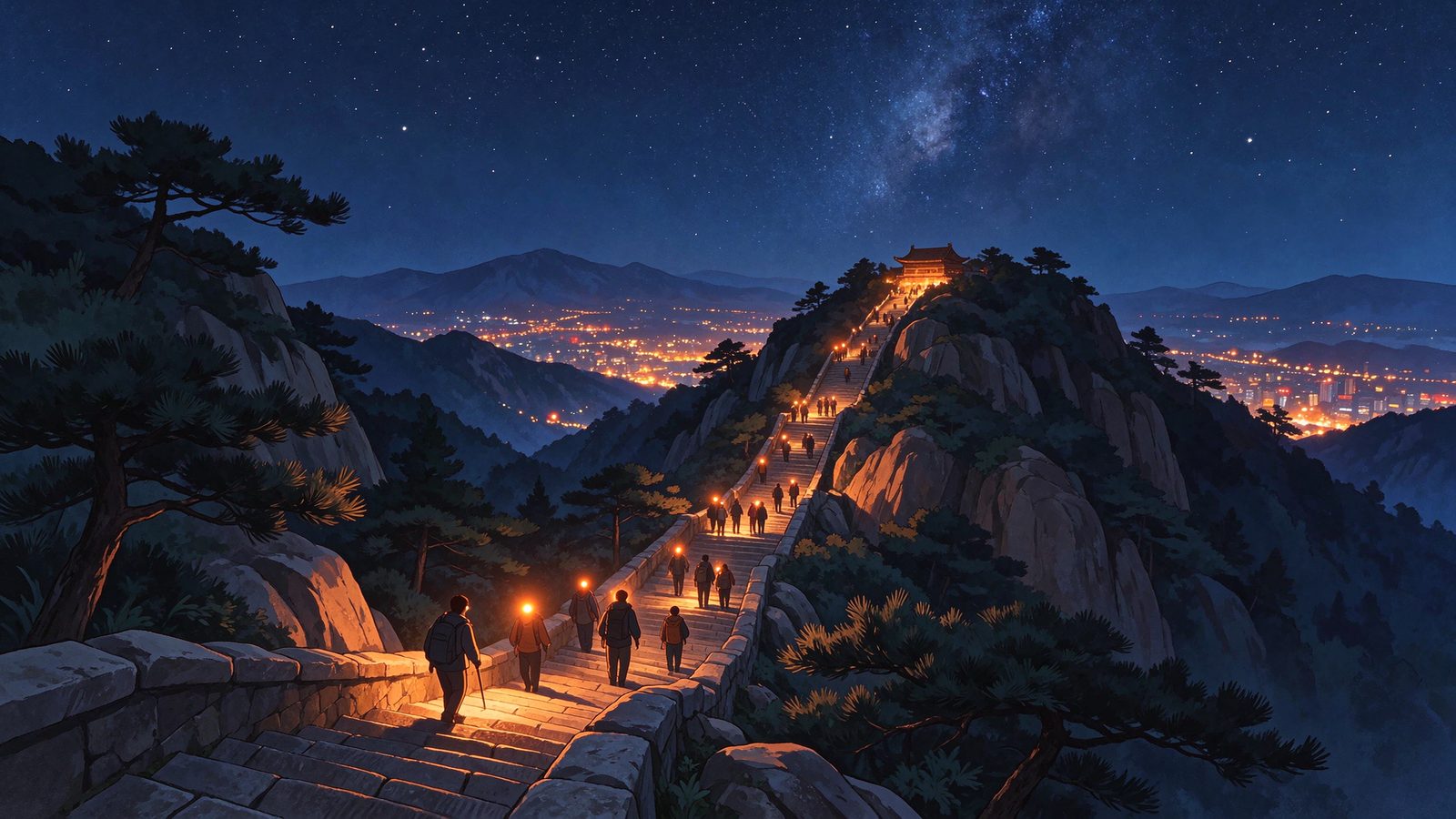 Book this →
4. The summit: South Gate, Jade Emperor Peak, and the 2,000-year queue
Above the last stair sits South Gate of Heaven (南天门) — a red stone gatehouse that appears out of the mist like something painted on a scroll, and the moment every climber photographs. Behind it the mountain flattens into a small ridge-top town of temples, hostels and instant-noodle stalls, ending at Jade Emperor Peak (玉皇顶, 1,545 m), the actual top, marked by a stone tablet and a cluster of people doing the same photo. The sunrise terrace, Riguanfeng (日观峰), is a five-minute walk east: a bare rock shelf over a valley that fills with cloud most mornings in autumn. What surprised me is how old the traffic is: inscriptions along the route record emperors and poets from the Qin and Han dynasties onward, and the whole mountain is a UNESCO World Heritage site precisely because it has been walked for 2,000 years. Descend the way you came, or take the cable down and spare your knees for the temple below.
【中文】最后一级台阶之上是南天门——一座红石城门从雾里浮出来,像画在卷轴上的,每个登山者都在这里拍照。门后山势平缓成一座小小的山顶镇:庙宇、客栈、泡面摊,尽头是玉皇顶(1545米)真正的最高点,一块石碑和一群拍同一张照片的人。看日出的日观峰在东边步行五分钟:一块裸岩平台悬在山谷之上,秋天多数早晨谷里都是云。最让我意外的是这里的"人流"有多古老:沿途碑刻记着秦汉以来的帝王与诗人,整座山成为世界遗产,正因为它被走了两千年。下山原路走,或坐索道下去,把膝盖留给山下的岱庙。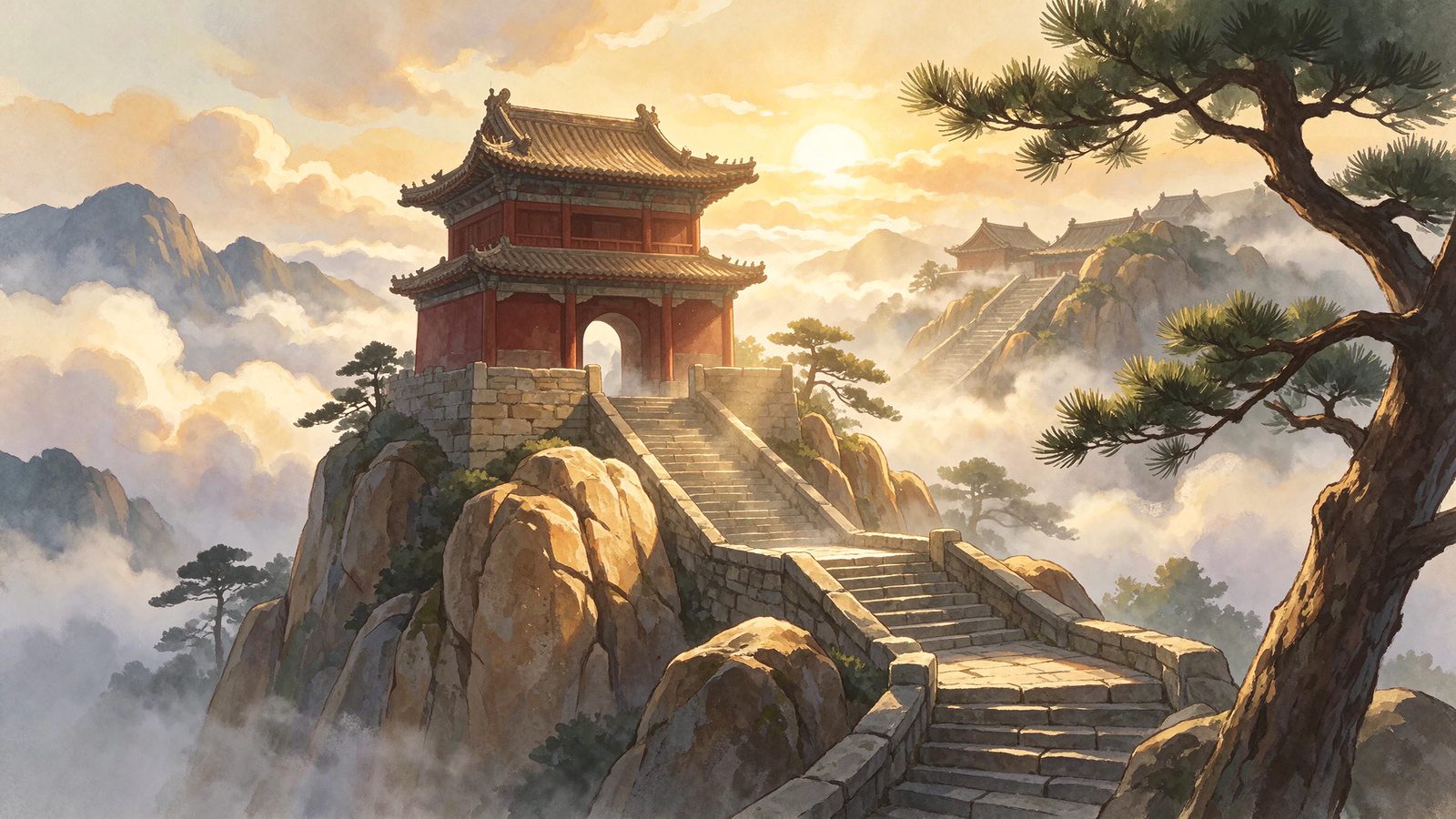 Book this →
5. Day two: the breakfast that fixes a night without sleep
After a night climb, the second day should be about the town at the foot, not another mountain. Tai'an (泰安) is a small city whose entire economy once orbited pilgrims, and its breakfast is exactly what a cold, sleepless body needs: doufunao (豆腐脑, silky tofu in savoury broth, ¥5–8), a jianbing (煎饼, crisp folded pancake, ¥6–10) wrapped around egg and scallion, and a bowl of soy milk. Tai'an's version of the flatbread is famously thin and chewy — locals judge a breakfast stall by it. Then walk off the stiffness in Dai Temple: the Song-dynasty Tiankuang Hall, the giant Han-dynasty cypress in the courtyard, and the stele forest where every dynasty left a stone book behind. Entry to the temple is included in your mountain ticket, so day two costs almost nothing beyond breakfast. If you have a third day, Jinan is 30 minutes away by train and has springs, a lake and far better hotels.
【中文】夜爬之后,第二天该给山脚的小城而不是另一座山。泰安整座城的经济曾围着香客转,它的早餐正是又冷又缺觉的身体需要的:豆腐脑(¥5–8)、煎饼(¥6–10)裹蛋加葱、一碗豆浆。泰安的煎饼出了名的薄而筋道——本地人靠它评判一家早餐摊。然后去岱庙走散腿上的僵硬:宋代天贶殿、院里那棵汉代古柏、以及每个朝代都留了一本"石书"的碑林。岱庙门票含在泰山票里,所以第二天的花费几乎只有早餐。若有第三天,济南坐火车30分钟,有泉、有湖、酒店也好得多。 Book this →
6. Getting there: two stations, and the ¥2 difference that saves you an hour
Tai'an has two rail stations and the distinction matters. Tai'an Station (泰安站, high-speed) is the one your G-train uses — about 7 km from Tianwaicun, with tourist buses 1 and 2 to the bus/cable gateway, or a taxi at roughly ¥35 for 40 minutes. Taishan Station (泰山站, conventional) is only 3 km from Hongmen, the walking trailhead: bus K3 or 39 for ¥2, taxi about ¥15–30. If you are night-climbing on foot, Taishan Station is the smarter arrival; if you are taking the bus-and-cable shortcut, Tai'an Station wins. From Beijing South it is roughly 2.5 hours, second class around ¥200; from Jinan it is 30 minutes, ¥29–50 depending on the train — which is why the cheapest sane plan is to fly or train into Jinan, spend a night, and treat Mount Tai as a two-day side trip rather than a marathon. Return tickets sell out on Friday evenings and holiday eve, so buy both legs when you book.
【中文】泰安有两个火车站,区别很关键。泰安站(高铁)是你坐G字头到的站——离天外村约7公里,旅游1路/2路到乘车口,打车约¥35、40分钟。泰山站(普速)离红门登山口只有3公里:K3或39路¥2,打车约¥15–30。徒步夜爬就选泰山站到;走"大巴+索道"就选泰安站。从北京南约2.5小时、二等座约¥200;从济南30分钟、¥29–50——所以最省钱又合理的方案是先到济南住一晚,把泰山当作两天的小旅行而不是马拉松。周五晚和节假日前夜返程票会售罄,订票时把往返一起买了。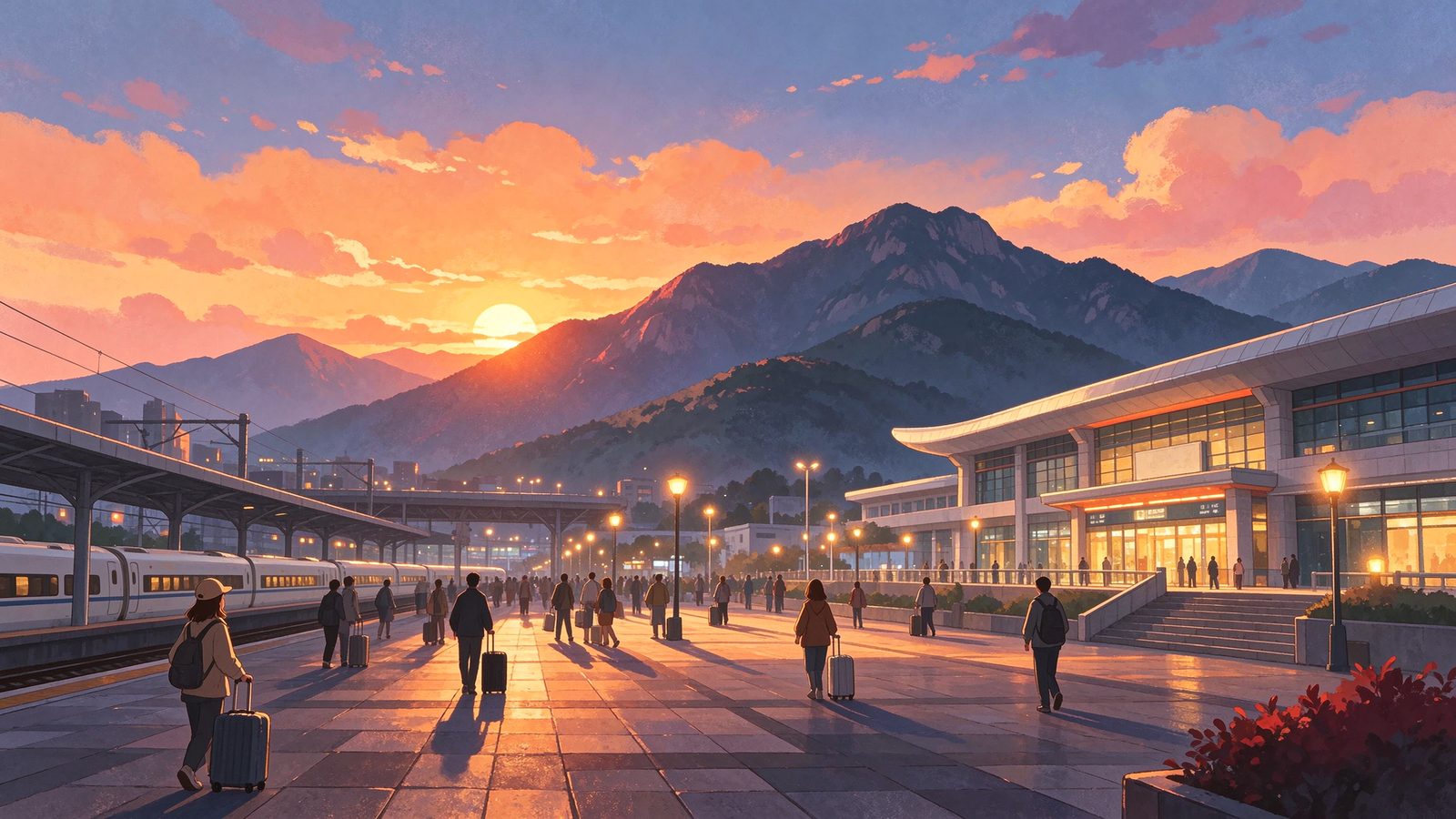 Book this →
7. The honest budget for two days
Here is what two days actually costs, per person, in November (off-season pricing has already kicked in from 1 December, so late November is the sweet spot: peak-season scenery, near off-season crowds):
| Item | Cost (per person) |
|---|---|
| Mountain ticket (3 days, incl Dai Temple) | ¥115 (¥100 from 1 Dec) |
| Bus up (Tianwaicun → Zhongtianmen) | ¥40 one way |
| Cable car (one way) | ¥100 |
| Rented coat at the summit | ¥20–30 |
| Breakfast in town | ¥15–25 |
| Hotel near Hongmen (mid-range) | ¥150–300 |
| High-speed train, Jinan return | ¥29–50 each way |
A frugal night climb — walk up, cable down — lands near ¥300 all-in excluding the train and hotel; add both and you are at ¥500–700 for two days. That is less than a single night in a mid-range Shanghai hotel, for a mountain that emperors travelled weeks to reach. The one trap to avoid: the touts at the station selling "sunrise tour packages" at ¥200–300 per person. They are a bus ride plus a guide you do not need, and every element is bookable yourself for a third of the price.
【中文】两天真实花费(每人、11月):从12月1日起淡季价生效,所以11月下旬是甜点期——旺季景色、接近淡季的人流。门票(3天含岱庙)¥115(12月起¥100);天外村→中天门大巴单程¥40;索道单程¥100;山顶租大衣¥20–30;城里早餐¥15–25;红门附近中档酒店¥150–300;济南往返高铁各¥29–50。
走上去、索道下来这种节俭夜爬,不含车票住宿约¥300;加上车票酒店两天¥500–700。比上海中档酒店一晚还便宜,而皇帝要走几周才到这座山。唯一要避的坑:车站拉客卖"日出套餐"每人¥200–300——那只是一趟大巴加一个你不需要的导游,每项自己订只要三分之一的价格。
Bottom line
Mount Tai is the rare sacred mountain that still works on a backpacker's budget: ¥115 for three days, ¥2 buses, breakfast under ¥20, and a summit you can reach on foot in a night. The trick is not to treat it as a checklist stop — arrive the evening before, sleep four hours, climb at 11pm, freeze politely at the top, then spend day two eating jianbing and reading stone tablets in a Song-dynasty temple. Twenty centuries of people did exactly this before you, and the stairs have not changed.
【中文】泰山是少见的、还按背包客预算运作的圣山:¥115玩三天、公交¥2、早餐不到¥20、山顶一夜步行可达。诀窍是别把它当打卡点——提前一晚到、睡四小时、11点开爬、在顶上体面地冻着,第二天用煎饼和宋代庙里的石碑把时间花掉。在你之前,二十个世纪的人都这么干过,台阶一点没变。