My phone, at 9:47 in the morning, told me I was 98 floors above the ground. I was standing on a sidewalk. That's Chongqing for you — the city that breaks maps, the "8D city" the Chinese internet can't stop talking about. You check into a hostel on the 9th floor, walk out the lobby door, and you're on a street that turns out to be the 1st floor of a different building. The Yangtze River cable car is ¥30 one way. The famous Hongya Cave, all eleven stacked levels of glowing wooden houses, is free. And there is a light-rail train that drives through the middle of an apartment block. I spent three days here, and in this guide I'll give you the 2026 prices, the exact routes, and the one tourist trap I almost walked into.
【中文】早上9点47分,我的手机告诉我:我正位于地面以上98层。而我只是站在一条人行道上。这就是重庆——一座能"搞坏地图"的城市,中国互联网天天念叨的"8D城市"。你住进9楼的客栈,走出大堂门,发现自己站在另一栋楼的1楼马路上。长江索道单程30元。著名的洪崖洞,十一层堆叠的暖光木楼,免费。还有一列轻轨直接穿过居民楼的肚子。我在这里待了三天,这份指南会给你2026年的真实价格、精确路线,以及我差点踩进去的那个旅游陷阱。1. Why everyone calls it the 8D city
Chongqing sits where the Yangtze and the Jialing rivers meet, on hills that rise straight out of the water. The old town was built the way you'd build on a cliff face: in vertical layers. So you get streets on top of streets, a metro line that runs at ground level in one district and 60 metres up in the next, and buildings where the 11th floor opens onto a road. The internet calls it 8D because 2D maps simply don't work here — your GPS will happily claim you're swimming in the Jialing while you're actually waiting for a noodle bowl. The fun part: a lot of it is free to experience. The chaos is the attraction.
【中文】重庆坐落在长江与嘉陵江交汇处,山体直接从水面立起。老城是贴着崖壁建出来的:垂直分层。于是有了路叠路、轻轨在一个区跑地面、下一个区悬空60米、以及11楼开门就是马路的神奇建筑。网上叫它"8D",是因为二维地图在这里根本没用——你的GPS会兴高采烈地宣称你在嘉陵江里游泳,其实你正等着吃一碗小面。最妙的是:大部分体验免费。混乱本身就是景点。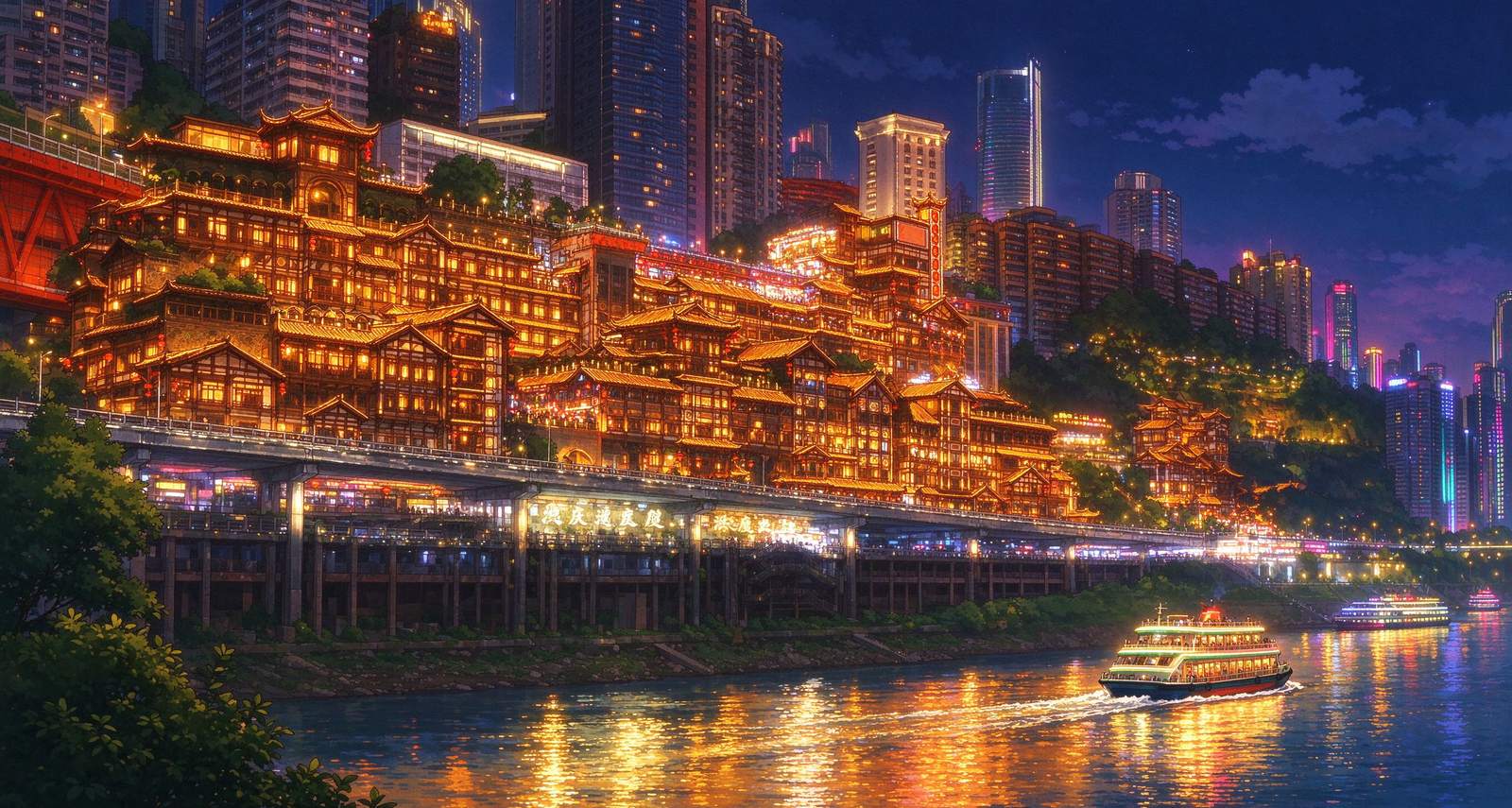 Book this →
2. Day 1 — Jiefangbei, Hongya Cave and the ¥30 cableway
Morning: Jiefangbei. This is Chongqing's Times Square — a pedestrian square surrounded by shopping malls and the old Liberation Monument, and it costs nothing. Metro lines 1, 2 and 6 all meet at nearby Xiaoshizi station. Grab breakfast at a noodle shop (a dan dan mian is usually ¥8–15; the locals queue for the ones with the scruffiest chairs). Afternoon: the Yangtze River Cableway. This is the one thing you actually pay for — ¥30 single / ¥50 return, a four-minute ride in a red gondola across the river, and it's genuinely worth it: the cabin hangs low enough over the water that you can see the current. Walk to the north station from Xiaoshizi station (10 minutes), cross, and walk back over the Dongshuimen Bridge if you want the view twice.
【中文】上午:解放碑。这是重庆的时代广场——步行街广场环着购物中心和解放纪念碑,免费。地铁1、2、6号线在小什字站交汇。早餐找家面馆(一碗担担面一般¥8–15,本地人专挑凳子最破的店排队)。下午:长江索道。这才是真正花钱的项目——单程¥30/往返¥50,红色缆车过江4分钟,非常值:轿厢低垂到江面上方,能看见水流。从1/6号线小什字站步行10分钟到索道北站,过江后走东水门大桥回来,等于把风景看两遍。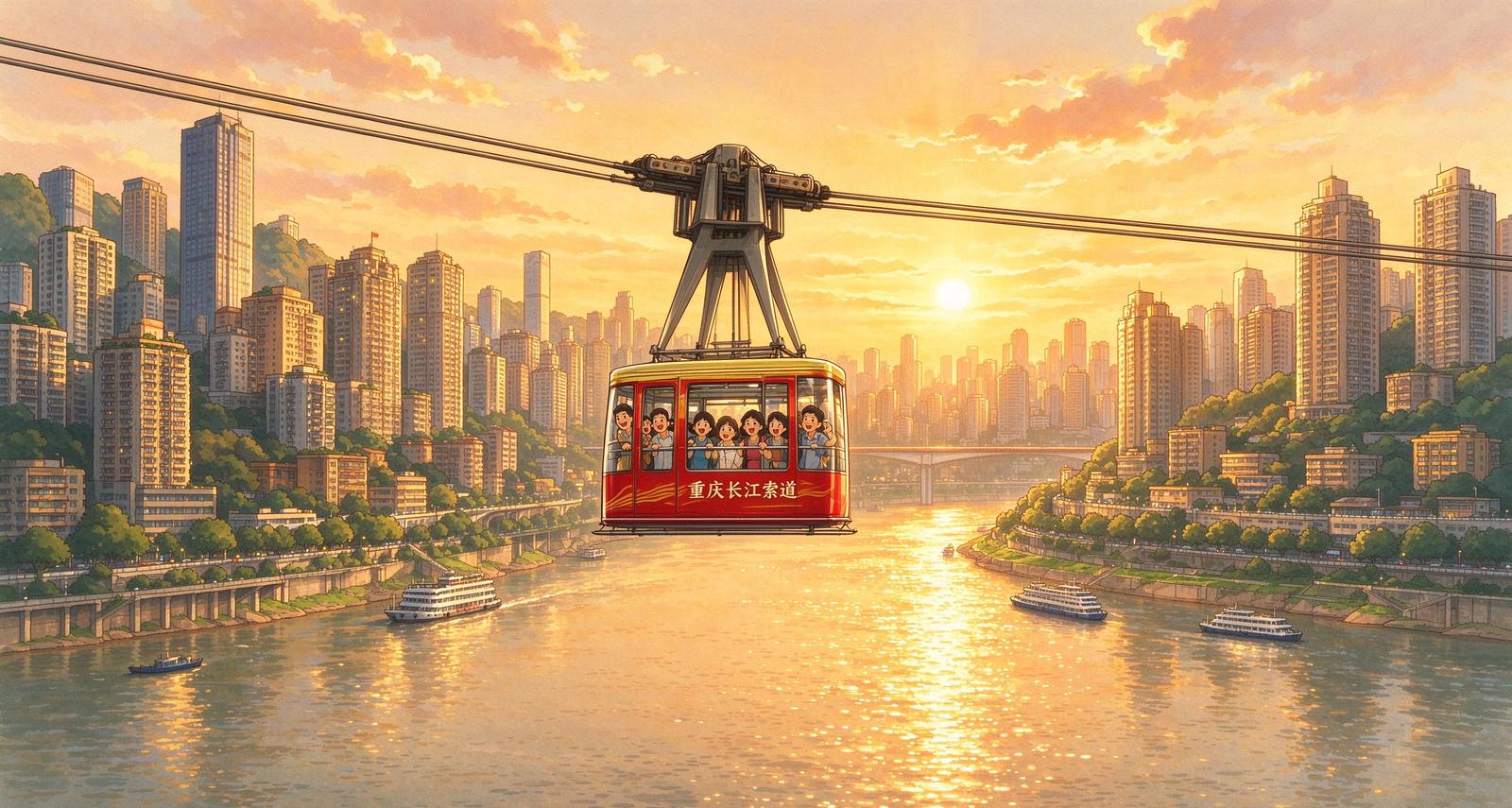 Book this →
Evening: Hongya Cave — the free masterpiece. At dusk the eleven stacked levels of stilt houses light up gold, and the whole cliff face glows above the Jialing. Entry is free, but on weekends and holidays you need a timed reservation through the official mini-program (real-name, tied to your passport), and the evening slots sell out fast. Here's the trick that saves your legs: Hongya Cave has two street levels — floor 11 and floor 1 both open onto roads. Enter from the top street on floor 11 and walk down through the levels; by the time you're at the bottom you're on a completely different street. And ignore the men near the entrance offering "fast-track" rides down for ¥50 — the free escalators and elevators do exactly the same thing. I watched two tourists pay before I realised what was happening.
【中文】晚上:洪崖洞——免费的杰作。黄昏时十一层吊脚楼亮起金色灯光,整面崖壁悬在嘉陵江上空发光。入场免费,但周末和节假日要官方小程序实名预约(绑护照),晚间时段很快约满。省腿的诀窍:洪崖洞有两个马路层——11楼和1楼都开门就是马路。从11楼顶层的马路进,往下走穿层,到底时你已经在另一条街上了。别理门口喊"快速通道"带你下去收50块的人——免费的扶梯和电梯干的是同一件事。我亲眼看着两个游客付了钱才反应过来。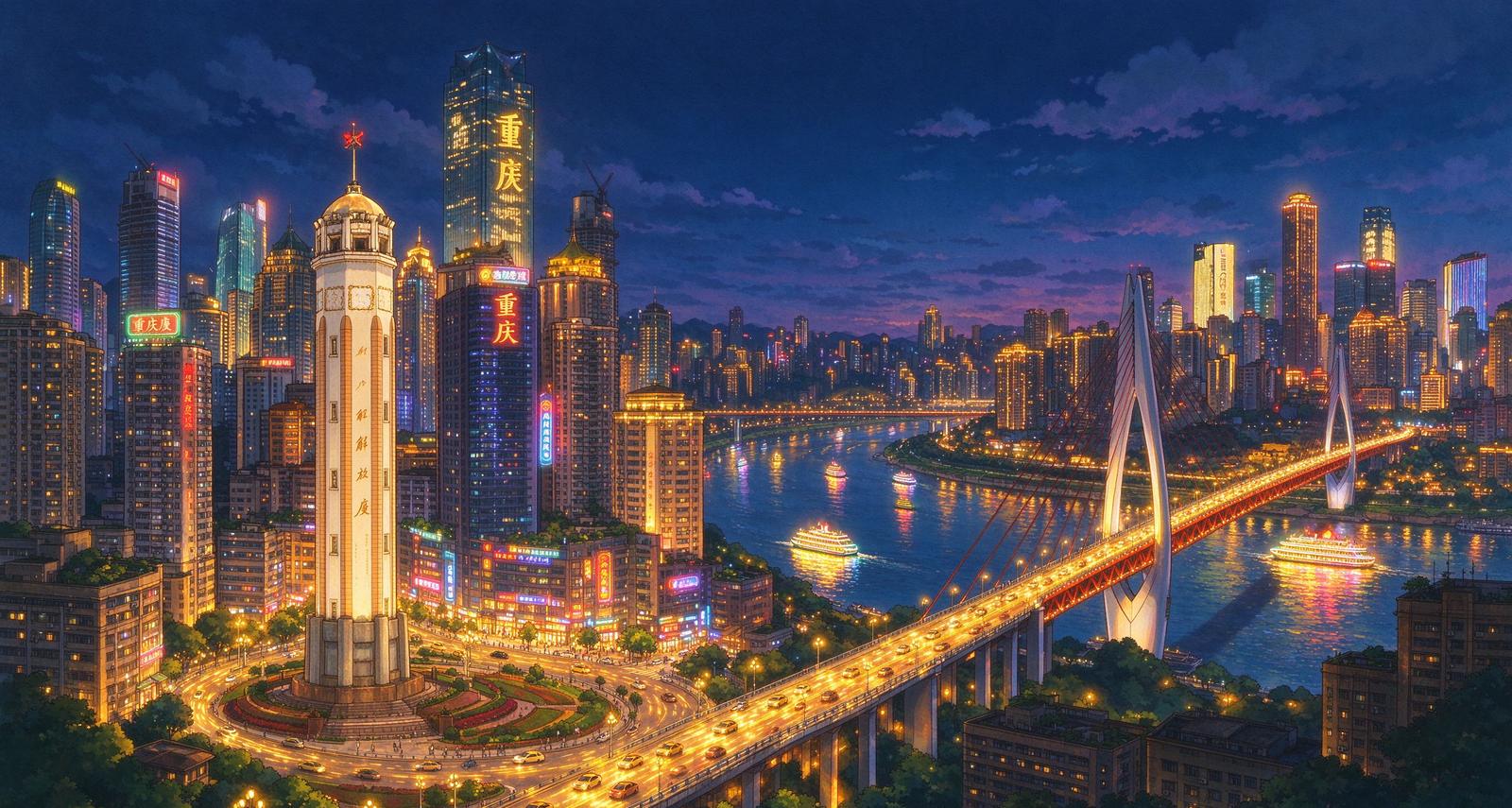 Book this →
3. Day 2 — Liziba's train-through-building, Ciqikou and the mountain stairways
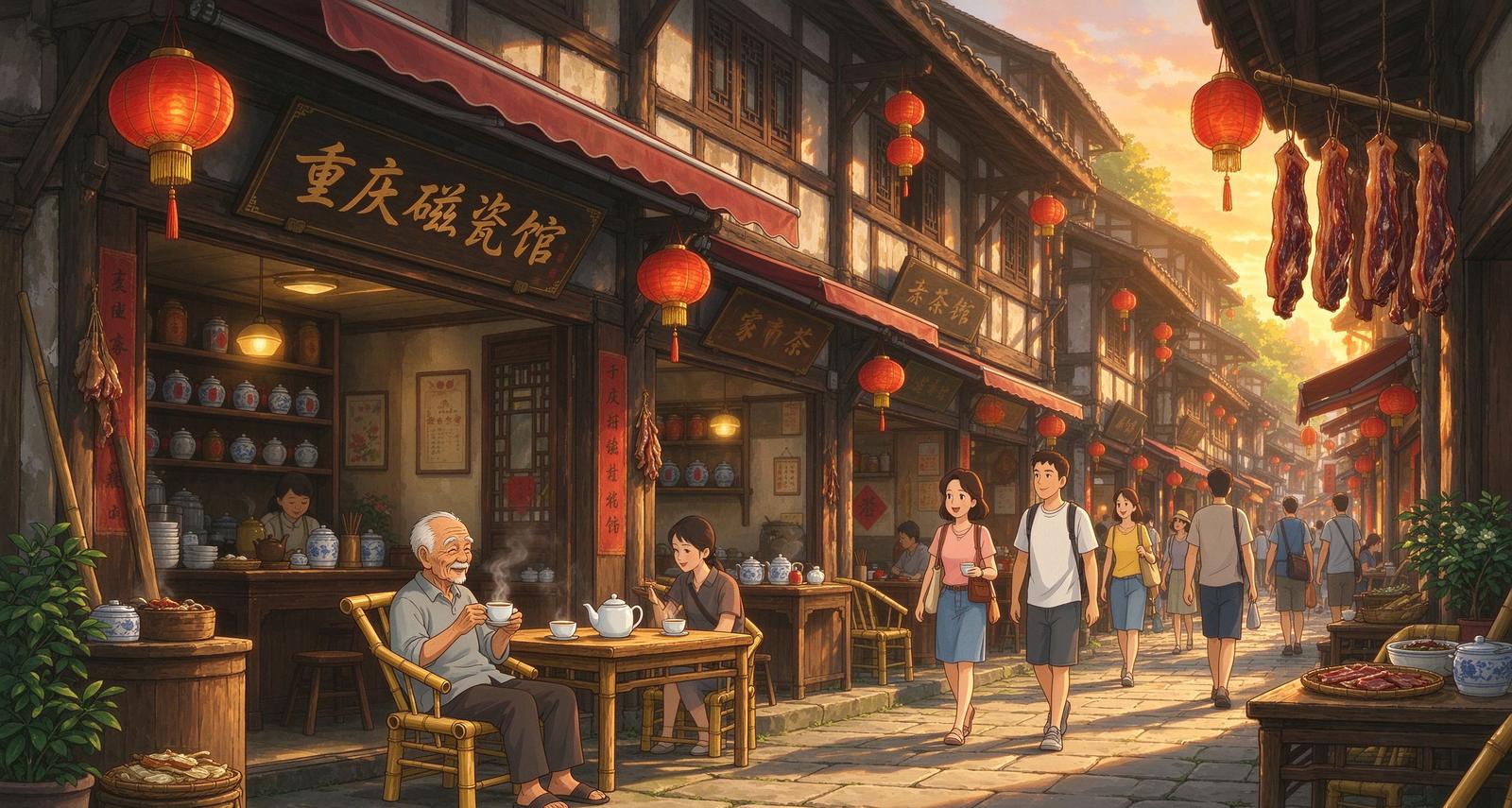
Morning: Liziba station. Take Metro Line 2 to Liziba station — the train itself drives through the middle of a residential block — then come out of Exit 1 and you're on the free viewing platform where everyone films it. The trains run every few minutes, so wait for one and get the video. It's a genuinely strange, wonderful sight, and it costs nothing. Then ride the same line along the river: the section between Liziba and Fuxingguan is the best metro ride in China, I'll die on that hill. Midday: Ciqikou old town. Metro Line 1 to Ciqikou station, then a 15-minute walk into a preserved Ming-Qing-era river town — cobbled lanes, stilt-house shops, tea houses, and free entry. This is where you try the street snacks: the local ma hua fried dough twists are famous, and a tea bowl on a river-view verandah is around ¥15–25.
【中文】上午:李子坝站。坐地铁2号线到李子坝站——列车本身穿过居民楼肚子——从1号口出来就是免费观景台,所有人都在这里拍视频。车次几分钟一趟,等一班拍下穿楼瞬间。这真是一种奇妙的景象,而且一分钱不花。然后顺着这条线沿江坐:李子坝到佛图关之间是全中国最好的地铁段,这点我死也不改。中午:磁器口古镇。地铁1号线到磁器口站,步行15分钟进入保存完好的明清河街——青石板巷、吊脚楼店铺、茶馆,免费入场。在这里尝街头小吃:本地麻花很有名,江景露台的茶碗大约¥15–25。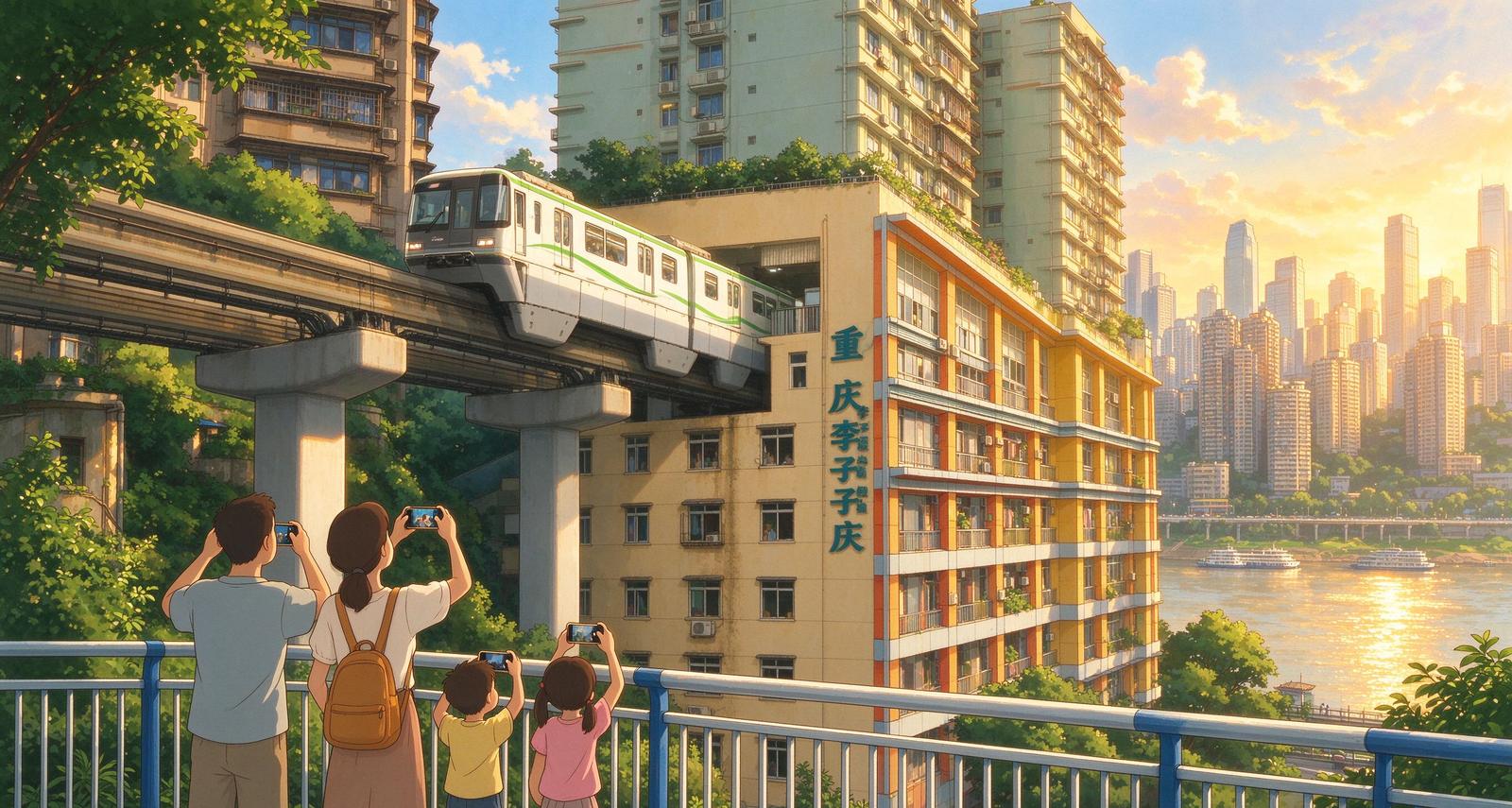 Book this →
 Book this →
Afternoon: the mountain stairways. Chongqing is famous for its endless public staircases climbing the hillsides. The most atmospheric route starts near Shanxi Street and winds up through old residential lanes with washing lines overhead and cats on the railings. No ticket, no sign, no tourists except the lost ones — it's the most authentic hour you'll spend in the city. Evening: hotpot. This is the meal Chongqing was born for: a nine-grid iron pot of bubbling red oil, plates of tripe and duck intestines and lotus root, and a cold bottle of local beer. A solid local hotpot place runs about ¥70–150 per person; the restaurants near the tourist spots charge more and water the flavour down, so eat where the waiters don't hand you an English menu.
【中文】下午:山城步道。重庆以没完没了爬山的公共阶梯闻名。最有味道的一段从山城巷附近起步,穿过头顶晾着衣服、栏杆上趴着猫的老居民巷。不收门票、没有路牌、除了迷路的游客没有游客——这是你在城里最地道的一小时。晚上:火锅。这是重庆天生的一顿饭:九宫格铁锅咕嘟着红油,毛肚、鸭肠、藕片摆满一桌,配一瓶本地冰啤酒。地道火锅店人均约¥70–150;景点附近的店又贵又淡,去服务员不递英文菜单的店吃。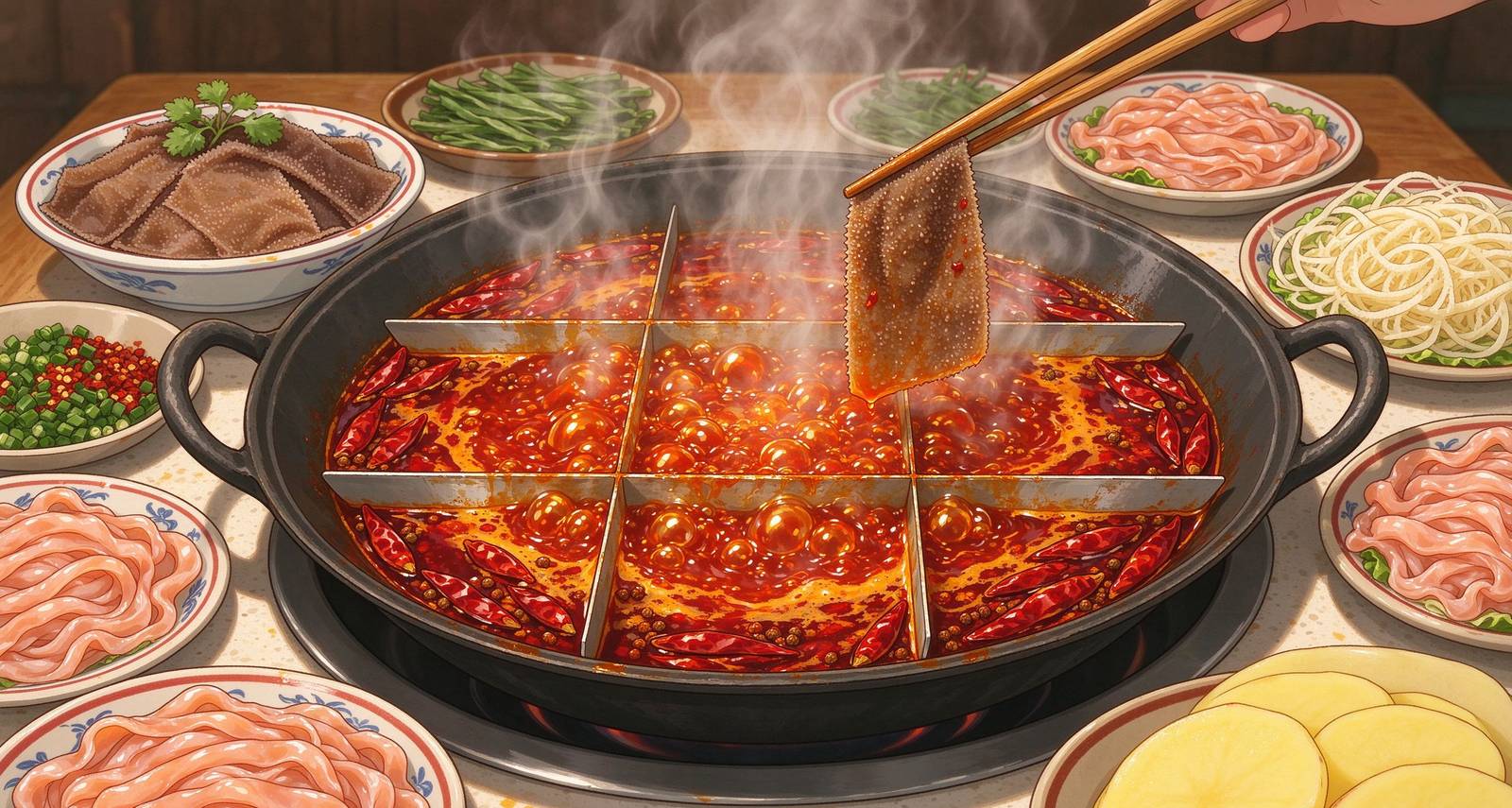 Book this →
4. Day 3 — Nanshan's skyline, the guild hall and the river cruise
Morning: Huguang Guild Hall. A 300-year-old complex of courtyards built by merchants from Hubei and Guangdong, tucked between the modern towers near the Dongshuimen Bridge. Entry is ¥32, and the roof-line walkways give you a quiet, angled view of the city most tourists miss. Afternoon: the Nanshan (South Mountain) viewpoint. A ¥10–15 taxi or the 384 bus up the hill, then ¥30 at Yi Ke Shu (One Tree) viewpoint for the classic postcard panorama of the whole Yuzhong peninsula across the river — the same view the night cruises sell, but cheaper and without the queue. If you want the taller option, the Skywalk at the Raffles complex charges ¥68. Evening: the two-river night cruise. The boats are comfortable and the skyline at night is genuinely spectacular; prices vary by boat and season, so compare on Klook rather than trusting the ticket sellers by the dock, who quote the highest rate first.
【中文】上午:湖广会馆。湖北、广东商人300年前建的庭院建筑群,藏在东水门大桥旁的现代高楼之间。门票¥32,屋顶连廊给你一个安静、倾斜的看城角度,多数游客看不到。下午:南山观景台。打车¥10–15或坐384路公交上山,一棵树观景台¥30,就是明信片上渝中半岛经典全景——夜游船卖的是同一个景,但更便宜还不用排队。想要更高的视角,来福士观景台¥68。晚上:两江夜游。游船舒服,夜景确实壮观;价格按船和季节浮动,在Klook上比价,别信码头售票处——他们先报最贵的价。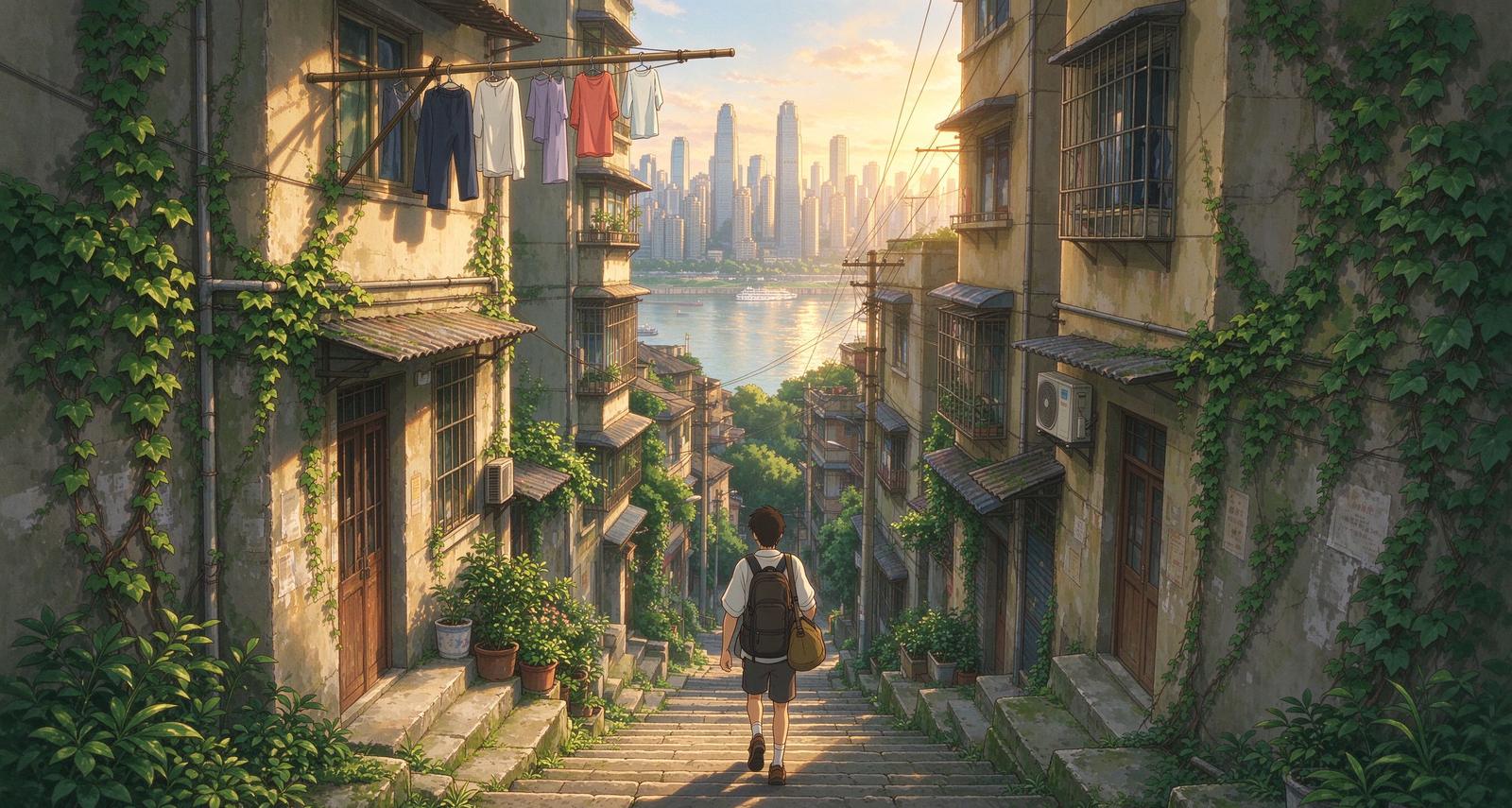 Book this →
5. Where to sleep — Jiefangbei vs Guanyinqiao
For a first visit, stay in Jiefangbei: mid-range hotels run ¥250–500 a night in October, you can walk to Hongya Cave and the cableway, and the metro hubs are two minutes away. The alternative is Guanyinqiao, a younger nightlife district with similar prices and fewer crowds. One honest warning about "mountain-view" rooms: in Chongqing, a room's floor number means almost nothing — I booked a 22nd-floor room once and the window faced a wall. Check the reviews and the actual view photos before you pay. And if you're arriving by high-speed rail, book the train through to Chongqing West or North station (the main station), then take the metro into town — it's faster and cheaper than the airport taxis most people default to.
【中文】第一次来,住解放碑:十月快捷中档酒店一晚约¥250–500,步行可达洪崖洞和索道,地铁枢纽两分钟就到。另一个选择是观音桥,更年轻的夜生活区,价格相当、人更少。一个诚实的提醒关于"山景房":在重庆,房间楼层数几乎毫无意义——我订过22楼的房间,窗户外是一堵墙。付款前看评论和实拍照片。如果坐高铁来,直接订到重庆西站或重庆北站(主站),再坐地铁进城——比大家默认的机场打车更快更便宜。6. Self-booked vs group tour — the honest math
Let me price three days, one person, mid-range, assuming two sharing a room. Trains: a return from Chengdu is about ¥300–360 (the 1h–1h30m bullet trains run constantly). Hotels: two nights near Jiefangbei shared, about ¥250–500 total. Paid sights: the cableway ¥50 return, Nanshan ¥30, Huguang ¥32, a river cruise around ¥100–160 — call it ¥250. Metro, buses and taxis: about ¥60. Food: ¥70–150 a day on hotpot and noodles, so ¥250–400. The whole trip lands around ¥1,100–1,600 per person for 3 days in 2026 prices. Now the counter-offer: a 2-3 day Chongqing tour with a driver, an English-speaking guide and hotels included runs ¥1,500–3,500. Is it worth it? Yes for two kinds of traveller: first-timers who want the logistics handled and someone to explain the 8D chaos, and anyone short on time who'd rather spend it looking than navigating. For everyone else, Chongqing is one of the easiest Chinese cities to do yourself — the metro covers every sight in this guide, and the cableway queue moves fast. The gap between ¥1,100 and ¥1,500-plus is real money you can spend on more hotpot.
【中文】把我的三天算一遍,一人中档、双人分摊房价。高铁:成都往返约¥300–360(1–1.5小时的高铁班次非常多)。住宿:解放碑附近两晚分摊约¥250–500。付费景点:索道往返¥50、南山¥30、湖广¥32、夜游船约¥100–160——算¥250。地铁公交打车约¥60。吃饭:火锅加小面一天¥70–150,共¥250–400。2026年全程约每人¥1100–1600/3天。再看报价:带司机、英文导游和酒店的两三日重庆团要¥1500–3500。值吗?对两种人值:第一次来想要全程安排和有人解释8D混乱的人,以及时间紧、宁愿看景不想导航的人。对其他人,重庆是自己玩最容易的中国城市之一——本指南里每个景点地铁都到,索道排队也快。¥1100和¥1500+之间的差,是你能用来多吃几顿火锅的真金白银。7. The 2026 budget, item by item
One person, self-booked, mid-range, two sharing a room. Roughly ¥7.2 to the dollar. October prices.
【中文】一人自助中档账本(双人分摊房价、汇率约7.2、十月价)。| Item 【中文】项目 | 2026 typical 【中文】典型价格 | Notes 【中文】备注 |
|---|---|---|
| Chengdu ↔ Chongqing rail 【成都↔重庆高铁】 | ¥300–360 return | 1h–1h30m, second class 【二等座往返】 |
| Yangtze River Cableway 【长江索道】 | ¥30 / ¥50 | Single / return 【单程/往返】 |
| Hongya Cave 【洪崖洞】 | Free | Timed reservation on weekends 【周末需时段预约】 |
| Liziba viewing platform 【李子坝观景台】 | Free | Metro Line 2, Exit 1 【2号线1号口】 |
| Ciqikou old town 【磁器口古镇】 | Free | Line 1 to Ciqikou 【1号线】 |
| Huguang Guild Hall 【湖广会馆】 | ¥32 | 300-year-old courtyards 【三百年会馆】 |
| Nanshan One Tree viewpoint 【南山一棵树】 | ¥30 | Classic skyline panorama 【经典全景】 |
| Raffles Skywalk 【来福士云端之眼】 | ¥68 | Taller alternative 【更高视角】 |
| Jiefangbei hotel 【解放碑住宿】 | ¥250–500 / night | Mid-range 【中档】 |
| Hotpot 【火锅】 | ¥70–150 / person | Nine-grid red oil 【九宫格红油】 |
Ad slot — Media.net / Google AdSense
【中文】广告位:流量起来后此处投放海外广告(Media.net/AdSense),与正文明显区分
8. Season, crowds and the traps
Three traps, in order of how much they cost people. One: the "fast-track" hustlers at Hongya Cave. The free elevators and escalators do the same job — don't pay ¥50 for a ride down stairs. Two: trusting your map's idea of "close". In Chongqing, two places can be 300 metres apart horizontally and 25 floors apart vertically. Always check the metro line and the exit number before you commit to "it's a short walk" — the Liziba viewing platform, for example, is specifically Exit 1. Three: planning the city as a one-day sprint. The cableway queue, the Hongya Cave reservation and the hills all add up; three days lets you do Jiefangbei and the river one day, Liziba and Ciqikou the next, and Nanshan relaxed on day three. And the single best tip I can give you: go to Hongya Cave at 7:30 in the morning, when the lights are still on from the night before, the reservation system hasn't kicked in, and you have the eleven levels to yourself. The photos come out just as good, and you'll be done before the first tour bus arrives.
【中文】三个坑,按坑钱程度排。一:洪崖洞门口的"快速通道"黄牛。免费电梯和扶梯干的是同一件事——别花50块坐一段下楼梯的"快速通道"。二:相信地图说的"很近"。在重庆,两个地方可以水平相距300米、垂直相差25层楼。说"走两步就到"之前,一定先查地铁线和出口号——比如李子坝观景台,具体就是1号口。三:把重庆排成一日冲刺。索道排队、洪崖洞预约、山城爬坡全都会累加起来;三天才够:第一天解放碑和江边,第二天李子坝和磁器口,第三天悠闲上南山。而我能给的最好的建议是:早上7:30去洪崖洞——前夜的灯还亮着,预约系统还没启动,十一层都是你的。照片一样好看,而且能在第一辆旅游大巴到达前逛完。Bottom line
Chongqing is the rare city where the hype is accurate. The phone really does say you're 98 floors up while you're standing on a sidewalk. The train really does drive through an apartment block. Hongya Cave really is free, the cableway really is ¥30, and the metro really does cover every sight in this guide — the whole three days costs about ¥1,100–1,600 booked yourself, or ¥1,500–3,500 with everything handled on a tour. Bring comfortable shoes, book the Hongya Cave reservation, and go at 7:30 in the morning. Your phone will still be confused. You won't be.
【中文】重庆是少数宣传一点不注水的城市。手机真的会在你站在人行道上时说你身处98层。轻轨真的会穿过居民楼。洪崖洞真的免费,索道真的30元,地铁真的覆盖本指南每个景点——自己订三天全程约¥1100–1600,全包团¥1500–3500。带双舒服的鞋,约好洪崖洞时段,早上7:30去。你的手机还会困惑。你不会。