
The receipt came to ¥86: two plates of clams, one grilled squid, a litre of draught beer and four skewers, from a stall wedged between a lantern shop and a fruit seller on a Beijing hutong night market. I'd been in China for six days by then, and that dinner — plus the ¥23 hostel bed, the ¥5.50 metro rides and the ¥60 Forbidden City ticket earlier in the week — was the moment I started adding it all up in my notebook. Seven days, Beijing plus Shanghai by high-speed rail, and my grand total landed at ¥2,300 per person, about $320 at the October 2026 rate — including every train, every ticket, every dumpling, no counting tricks. Here's the real breakdown, line by line, so you know exactly what a week in China costs before you book anything.
【中文】那张小票是86块:两盘蛤蜊、一条烤鱿鱼、一升扎啤、四根串,来自北京胡同夜市里夹在灯笼店和水果摊之间的小摊。到那天我已在华六天,那顿晚饭——加上这周早些时候23块的青旅床位、5块5的地铁、60块的故宫门票——是我开始在笔记本上逐项记账的时刻。七天,高铁串联北京和上海,总账落在人均¥2,300,按2026年10月汇率约合$320——含所有火车、所有门票、所有饺子,没有任何少算的把戏。下面是逐条真实拆解,让你在订任何东西之前就清楚一周中国行的真实花费。 Book this →
1. First, the three daily budgets that actually work in 2026
Forget the blog-post ranges that say "China is cheap" or "China is expensive" — both are true, depending on the lane you pick. Based on what I tracked and what current 2026 rates show, the three workable daily numbers are: backpacker, ¥200–400/day (dorm bed, street food, metro and buses, free-to-cheap sights — this is where my week landed); mid-range, ¥400–800/day (a ¥200–400 hotel room of your own, proper restaurants, taxis occasionally, the paid tickets without blinking); and comfort/luxury, ¥1,500+/day (four- and five-star hotels, guide-driven tours, first-class train seats). A 2026 Trip.com cost guide gives the same shape in dollars: roughly $50–100, $100–200 and $200+ per day. The single biggest lever is accommodation — it eats 30–50% of any budget — which is why the hostel-vs-hotel choice below matters more than any other decision you'll make.
【中文】忘掉那些"中国很便宜"或"中国很贵"的博客说法——两种都对,取决于你选哪条道。按我的实测和2026年现行价格,三档可行日均是:背包档¥200–400/天(青旅床位、街头小吃、地铁公交、免费或低价景点——我的这一周就落在这档);中档¥400–800/天(¥200–400的独立酒店房、正经餐厅、偶尔打车、门票照买不眨眼);舒适/豪华¥1,500+/天(四五星酒店、导游团、一等座)。Trip.com 2026成本指南给出的美元口径形状相同:约$50–100、$100–200、$200+。最大的杠杆是住宿——它吃掉任何预算的30–50%——所以下面青旅vs酒店的选择比其他任何决定都重要。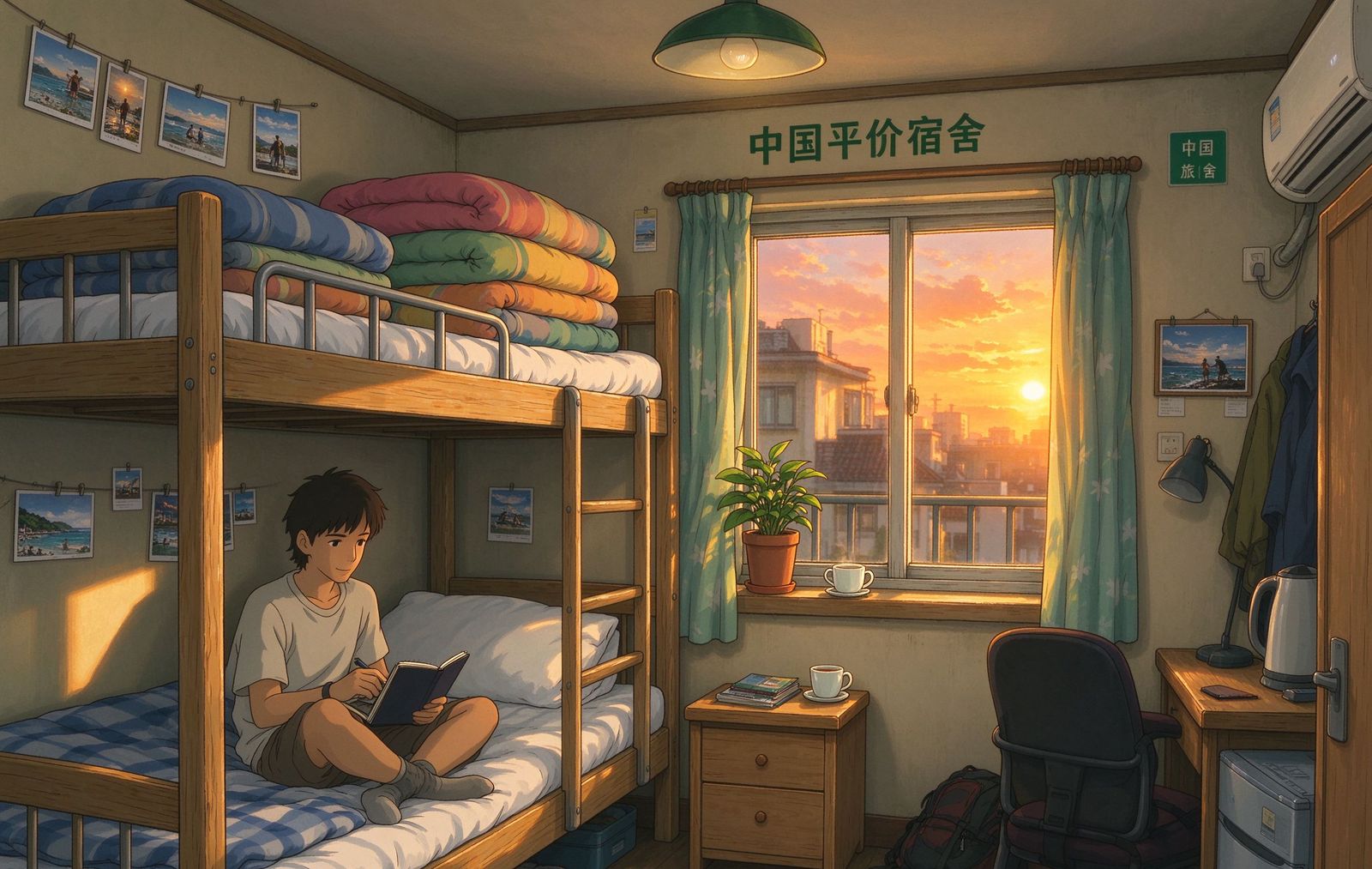 Book this →
2. Sleep: from ¥50 dorm beds to ¥300 rooms
Hostels in Chinese tourist cities run ¥50–120 a night for a dorm bed — in Beijing and Shanghai you'll find clean, well-run youth hostels in hutongs and near metro lines at that price, with free WiFi, laundry and usually a decent common room. I paid ¥23–65 in smaller cities on the route and ¥65–90 in Beijing and Shanghai; the higher end gets you a private room or a bed in a four-bed dorm. Step up to a mid-range three-star or a well-rated local hotel and you're at ¥200–400/night with a private bathroom, breakfast and, in my experience, surprisingly good soundproofing. International four-star chains run ¥500–800; five-star in Shanghai or Beijing starts around ¥1,200. One tip that saves real money: Chinese booking apps (Meituan, Ctrip domestic) frequently show rates 10–30% below international sites for the same room — but Trip.com's English interface with foreign-card payment is the easiest for most first-timers, and its member deals are worth checking before you assume the local apps are cheaper.
【中文】中国旅游城市的青旅床位¥50–120/晚——北京上海胡同里、地铁沿线都有干净运营良好的青年旅舍,免费WiFi、洗衣房、通常还有不错的公共区。我这趟在小城市付过¥23–65,北京上海是¥65–90;价格上限对应独立单间或四人间床位。升一档到中档三星或口碑好的本地酒店就是¥200–400/晚:独立卫浴、含早、隔音意外地好。国际四星¥500–800;上海北京的五星从¥1,200起。一个真省钱的小贴士:中文订房App(美团、携程国内版)同房价格常比国际站低10–30%——但Trip.com的英文界面支持外卡付款,对多数头回客最省事,会员价也值得在断言本地App更便宜之前先比一比。3. Getting around: the best-value transport on earth
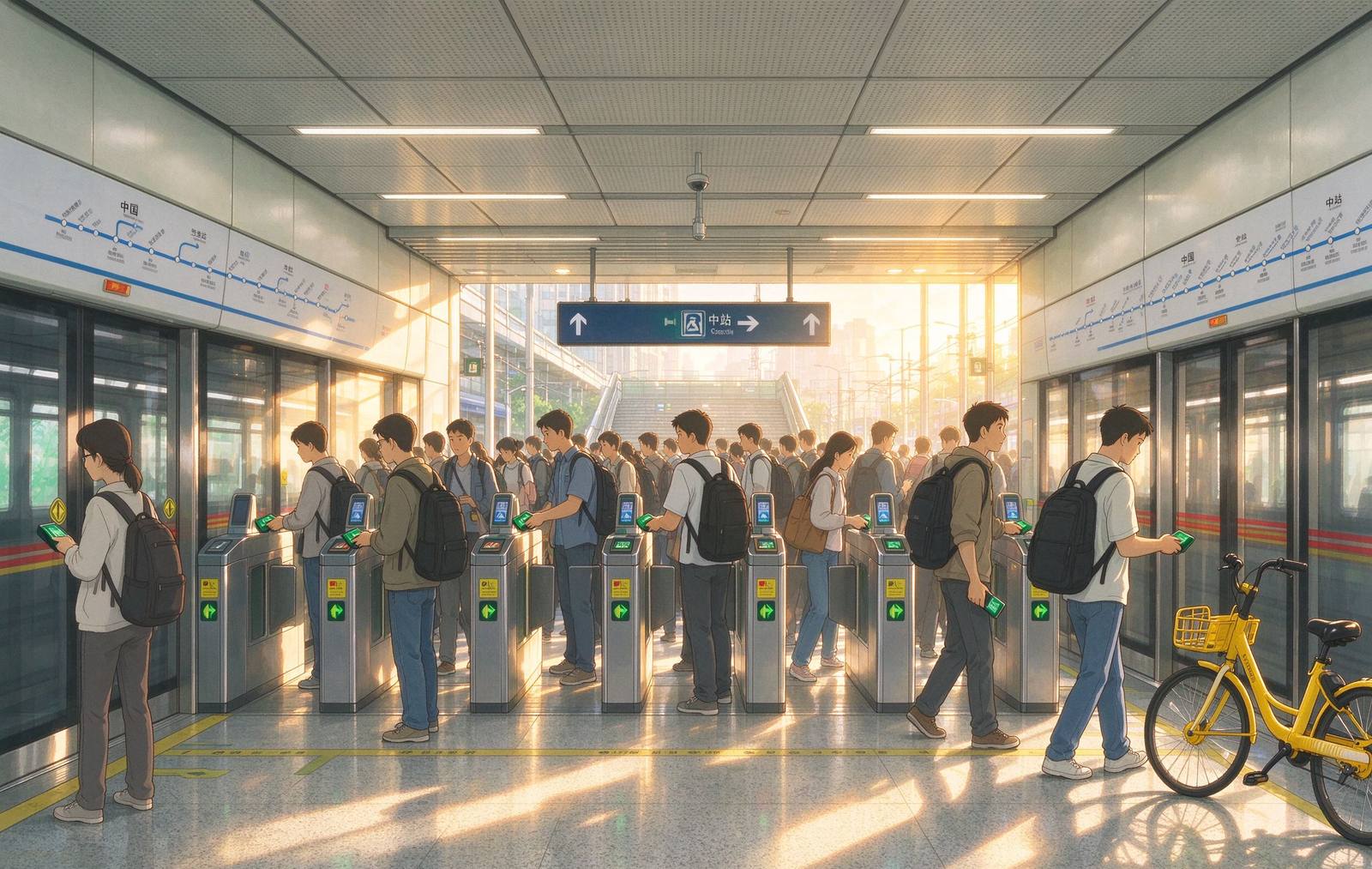
China's transport is where your budget goes furthest, and the numbers are genuinely the best I've found anywhere. The Beijing–Shanghai high-speed rail — 1,318 km, 4.5 hours at 350 km/h — costs ¥553 in second class (about $77); first class ¥833. Short hops are absurdly cheap: Shanghai–Hangzhou ¥73, Chengdu–Chongqing ¥96–154, Beijing–Xi'an ¥265–515 depending on the train. The same $90 that buys a 280-km Zurich–Geneva ticket takes you Beijing to Shanghai — 4.7 times the distance. Inside cities, metro rides are ¥3–8, buses ¥1–2, and a 10-km DiDi ride-hailing trip runs ¥25–40. My seven days of city transport cost about ¥180 total, including two airport runs. Book intercity trains on Trip.com (English, foreign cards); seats open 15 days ahead and the cheap ones vanish first.
【中文】中国的交通是预算最经花的地方,数字是我走遍各地见过最好的。京沪高铁——1,318公里、4.5小时、时速350公里——二等座¥553(约$77);一等座¥833。短途便宜到夸张:上海–杭州¥73、成都–重庆¥96–154、北京–西安¥265–515(视车次)。花同样的$90,在瑞士只够买280公里的苏黎世–日内瓦车票,在中国却能从北京到上海——4.7倍的距离。市内:地铁¥3–8、公交¥1–2、滴滴打车10公里约¥25–40。我七天市内交通总共约¥180,含两次机场往返。城际高铁在Trip.com订(英文界面、外卡支付);车票提前15天开售,便宜座位先被抢光。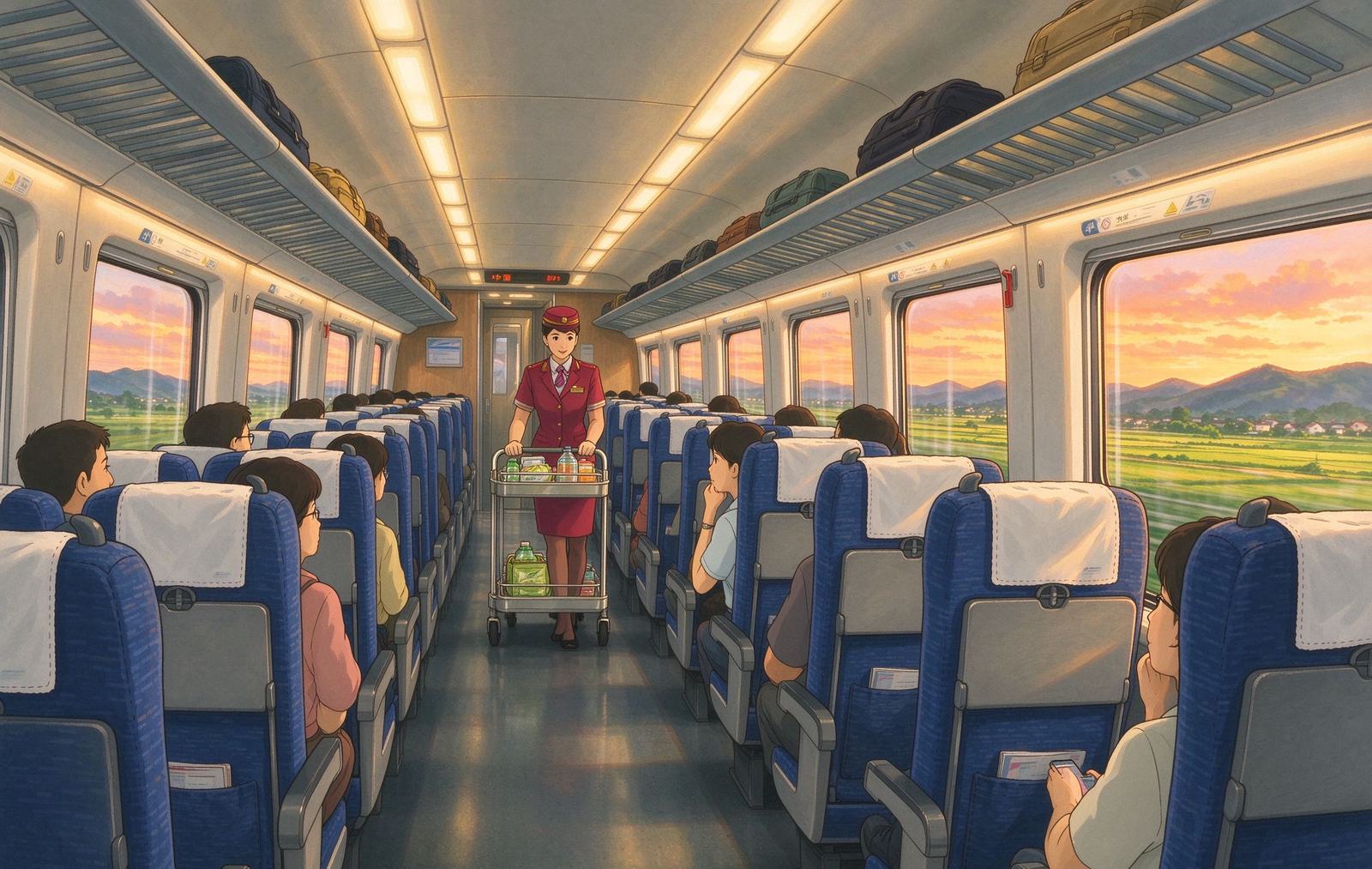 Book this →
 Book this →
4. Eating: ¥8 breakfasts, ¥40 feasts, ¥150 banquets
Food is the second-biggest variable, and it's where you can eat like royalty on a backpacker budget. A proper breakfast of congee and youtiao runs ¥8–15; a bowl of noodles or a jianbing (egg crepe) is ¥10–20; a sit-down meal at a local restaurant, one person, two dishes and rice, is ¥30–60. Street markets are the sweet spot: I ate brilliantly on ¥80–120 a day in Beijing and Shanghai, and a splurge — Peking duck for two, around ¥200–300 at a mid-range restaurant — still feels cheap by Western standards. The one thing that quietly bleeds budgets is tourist-area pricing: a noodle bowl inside a scenic area can be double the street price, so eat where the metro lets off locals, not where the bus drops tourists.
【中文】吃是第二大变量,也是背包预算能吃成国王的地方。正经早餐粥加油条¥8–15;一碗面或煎饼¥10–20;本地馆子一人一餐、两菜一饭¥30–60。夜市是甜点区:我在北京上海一天¥80–120吃得很爽;而一顿犒赏——两人份北京烤鸭,中档餐厅约¥200–300——按西方标准仍然便宜。真正悄悄放血的坑是景区餐饮:景区里一碗面能是街价的两倍,所以要在本地人出地铁的地方吃,而不是旅游大巴放人的地方。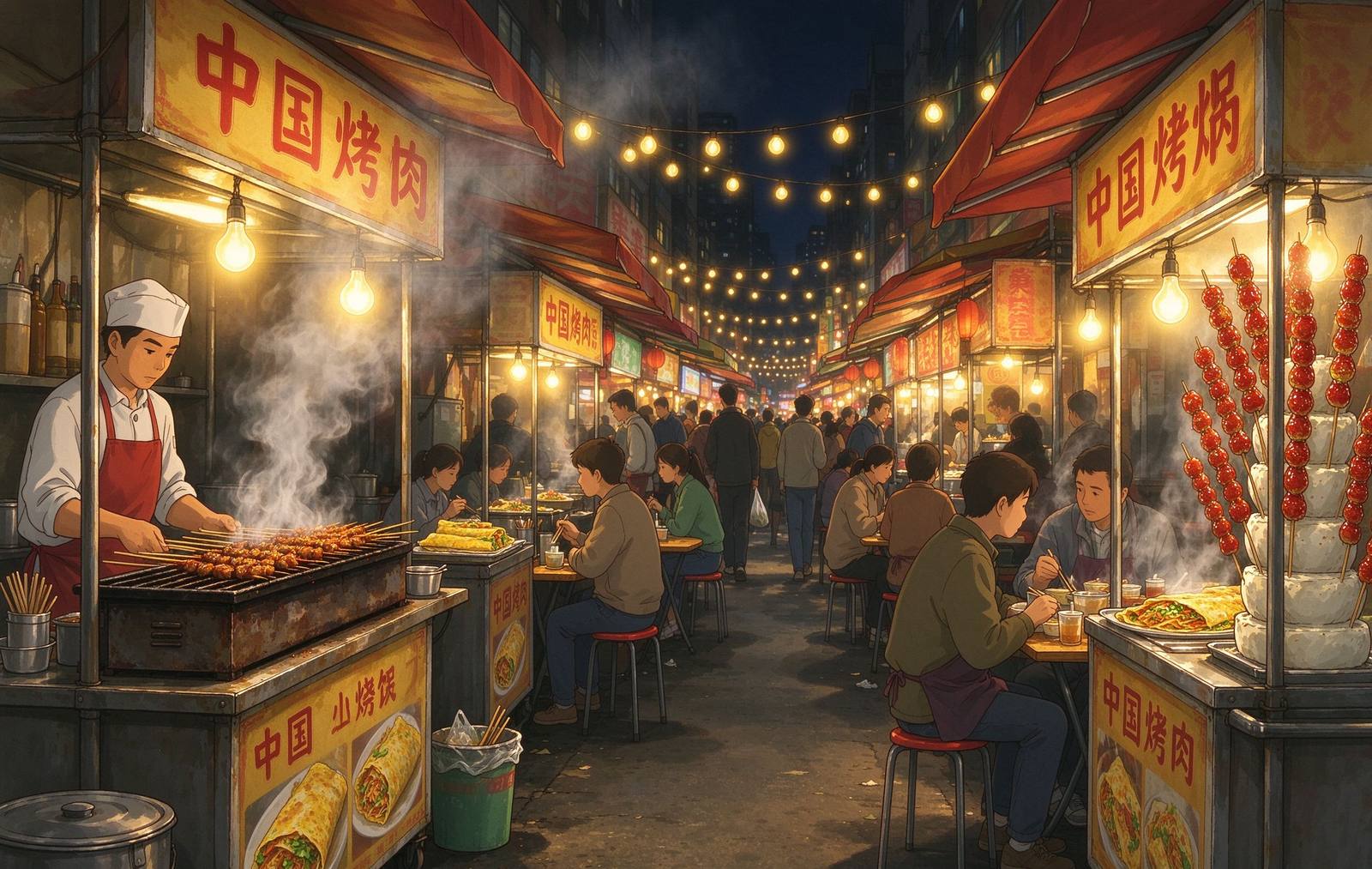 Book this →
5. Tickets that matter: the big three and what they cost
Attraction tickets are modest and predictable, and the famous ones are cheaper than you'd guess from Western prices. The Forbidden City is ¥60 (free for under-18s, students half price; book on the official WeChat mini-program days ahead, slots fill fast); Mutianyu Great Wall is ¥45 for the wall itself plus ¥120 for the cable car round trip (worth it — it's a 20-minute climb otherwise); the Terracotta Warriors in Xi'an are ¥120. The Temple of Heaven ¥15, Summer Palace ¥30, West Lake and the Bund free. My ticket spending for a week of the big sites: roughly ¥400. What costs real money is time and comfort, not entry — private guides and English tours run ¥200–500 a day, which is why the group-tour shortcut below is worth doing the math on.
【中文】景点门票适中且可预期,著名的几处比西方价格的直觉便宜。故宫¥60(18岁以下免费、学生半价;需在官方微信小程序提前数天预约,名额很快满);慕田峪长城门票¥45,缆车往返另加¥120(值得坐——否则要爬20分钟山路);西安兵马俑¥120。天坛¥15、颐和园¥30、西湖和外滩免费。一周大景点我的门票总支出约¥400。真正花钱的是时间和舒适度,不是门票——私人导游和英文讲解¥200–500/天,所以下面跟团这个捷径值得算算账。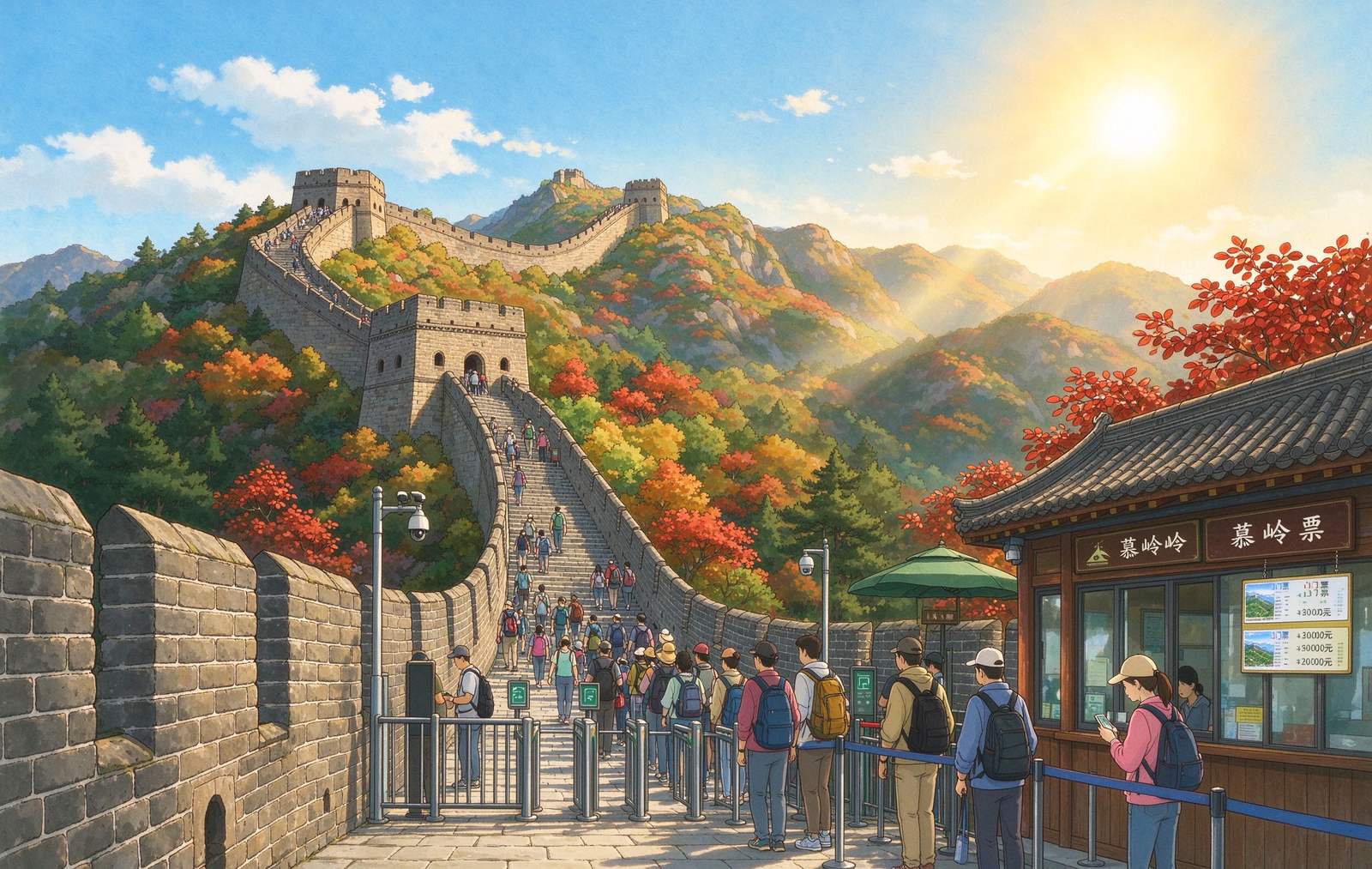 Book this →
6. Cash, cards and the apps that quietly change your budget
One line that belongs in any China budget: how you pay. Cash still works everywhere, but the country runs on Alipay and WeChat Pay, and in 2026 both accept foreign Visa and Mastercard directly — you link your card in the app, no Chinese bank account needed. The practical effect on your budget is real: street vendors, night markets and small noodle shops routinely give a 1–3% discount for scanning instead of cash, taxi meters and DiDi rides charge exactly the fare, and you never touch an ATM or a money changer. Two things worth knowing: keep ¥200–300 in cash as a backup for the rare stall that's QR-only with a foreign-card hiccup, and set up the apps before you fly — both need a passport scan and a few minutes of setup, and doing it at home beats doing it in a queue at the airport. It sounds like admin, but it's the difference between paying street prices and paying tourist prices, and it quietly saved me a couple of hundred yuan over the week.
【中文】任何中国预算都必须有的一行:你如何付款。现金随处可用,但这个国家靠支付宝和微信支付运转,2026年两者都直接支持外国Visa和万事达卡——在App里绑卡即可,不需要中国银行账户。对预算的实际影响是实在的:街头摊贩、夜市和小面馆扫码常给1–3%折扣,出租车表和滴滴按实计价,你永远不用碰ATM或换汇点。两件值得知道的事:留¥200–300现金备用(极少数只支持扫码且外卡会出问题的小摊);出发前就装好App——两者都需要护照扫描和几分钟设置,在家弄好强过在机场排队弄。听起来像手续,但这就是付街价与付游客价的差别,一周里悄悄帮我省了两三百块。7. What I'd cut and what I'd keep
After a week of watching where the money went, here's my honest keep/cut list. Cut: the airport express trains when the metro does the same job for a tenth of the price; souvenir-shop stops on organised tours (the same items cost half outside); and paying for a guide inside Beijing's Forbidden City or Summer Palace when the free audio guide app in English is genuinely good. Keep: the sleeper train at least once if your route allows it — Beijing to Chengdu runs ¥400–800 for a berth and saves a hotel night; a group day-tour to the Great Wall or Terracotta Warriors — when you factor in the private car, the English guide, the lunch and the queue-skipping, the ¥300–500 all-in price is often cheaper than DIY once you count your own transport and time. If you'd rather not do the maths, that's exactly the moment to let a package handle it.
【中文】看了一周钱都花在哪之后,这是我最诚实的取舍清单。该砍的:机场快线——地铁用十分之一的价格干同样的活;跟团游里的纪念品店停靠(同样的货在外面半价);故宫、颐和园内请讲解——免费英文语音导览App真的不错。该留的:路线允许的话至少坐一次卧铺夜车——北京到成都卧铺¥400–800,还省一晚酒店;长城或兵马俑的跟团一日游——算上专车、英文导游、午餐和免排队,¥300–500的全包价往往比DIY便宜(如果把你自己的交通和时间算进去)。如果你不想算这笔账,那正是让一个团替你打理的时刻。8. The full 7-day tally
Here's my actual week, line by line: 6 nights' accommodation ¥610 (mix of ¥65–90 hostel beds and two ¥180 private-room nights); intercity trains ¥626 (Beijing–Shanghai ¥553 second class, plus a ¥73 Shanghai–Hangzhou day trip); city transport ¥180; food ¥560 (¥80/day average, including the Peking-duck splurge); tickets and experiences ¥420 (Forbidden City, Mutianyu with cable car, Temple of Heaven, museums); miscellaneous ¥250 (SIM card data, laundry, snacks, two coffees that cost more than breakfast). Total: ¥2,646 — but strip out the Hangzhou day trip and the splurges and a straight 7-day Beijing–Shanghai line comes to about ¥2,300. Add flights from Europe ($450–700 return in low season) or North America ($800–1,200), a visa fee if you need one (about $140 for US citizens), and travel insurance ($30–50). The takeaway: China remains one of the only destinations where $320 buys a full week of movement, history and food — and where the difference between "cheap" and "expensive" is mostly a choice you make about where you sleep.
【中文】这是我的一周实账,逐项列出:6晚住宿¥610(¥65–90青旅床位混两晚¥180单间);城际高铁¥626(京沪¥553二等座加上海–杭州¥73一日游);市内交通¥180;餐饮¥560(日均¥80,含烤鸭犒赏);门票体验¥420(故宫、慕田峪带缆车、天坛、博物馆);杂项¥250(流量卡、洗衣、零食、两杯比早餐还贵的咖啡)。总计¥2,646——但去掉杭州一日游和犒赏,纯7天京沪线约¥2,300。再加国际机票(欧洲淡季往返$450–700、北美$800–1,200)、签证费(如需要,美国公民约$140)、旅行保险($30–50)。结论:中国仍是少数几个$320就能买满一周行程、历史与美食的目的地——"便宜"还是"贵"的差别,主要取决于你在哪睡觉这一选择。 Book this →